


Introduction
When starting out in medium format photography, you find yourself choosing between a multitude of cameras and systems.
Therefore, it is essential to gather information to choose the one that best suits your needs.
The prices indicated are estimates made at the date of publication of this article, December 7, 2024.
The Least Recommended for “Serious” Photography
Box Cameras
Under €50, beyond that you are paying too much.
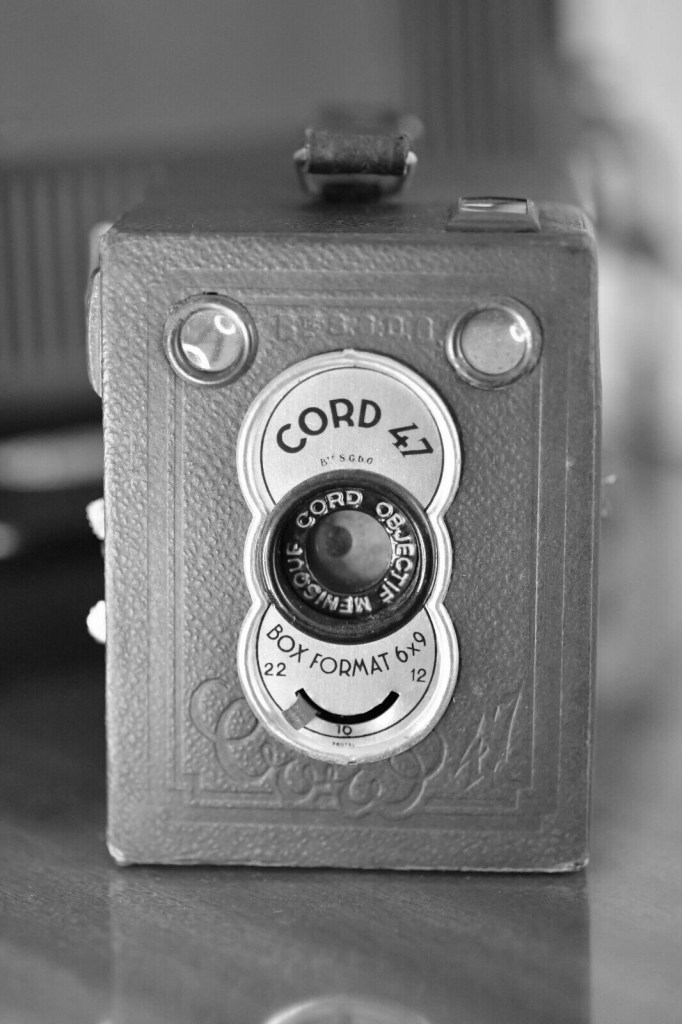
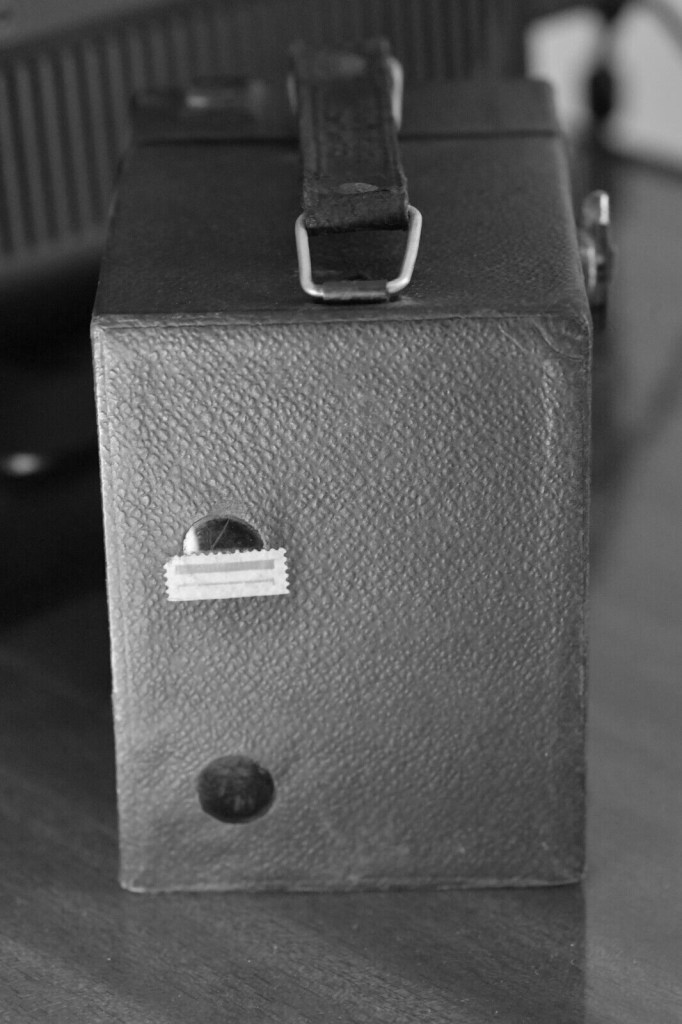
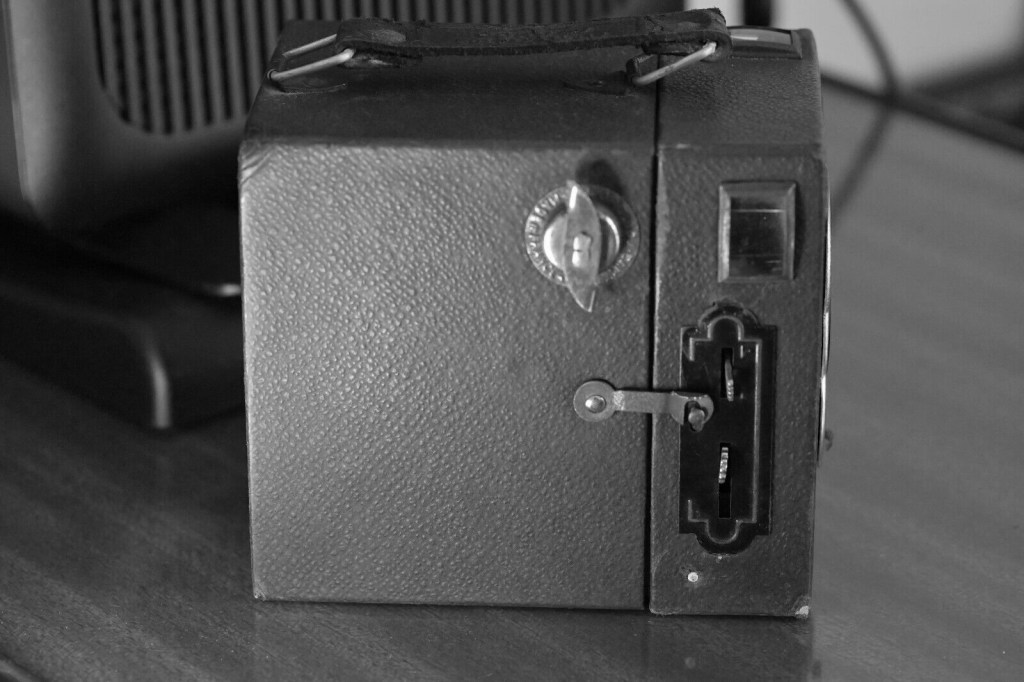
“Box” cameras are usually equipped with a single-speed shutter and a triplet lens.
There are also newer and inexpensive medium format toy cameras from brands like Holga or Diana with the same technical specifications.
All of these cameras are limited and offer low performance.
Bellows Cameras or “Compact” Foldings
Around €80-100 for a good copy
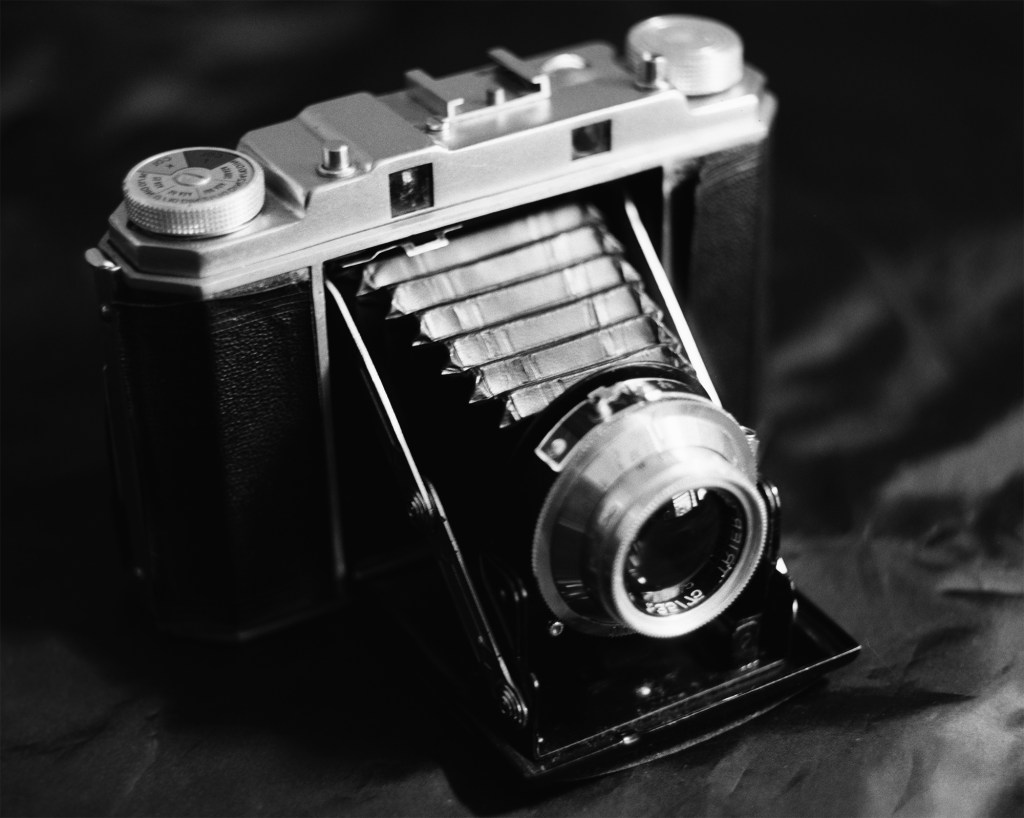
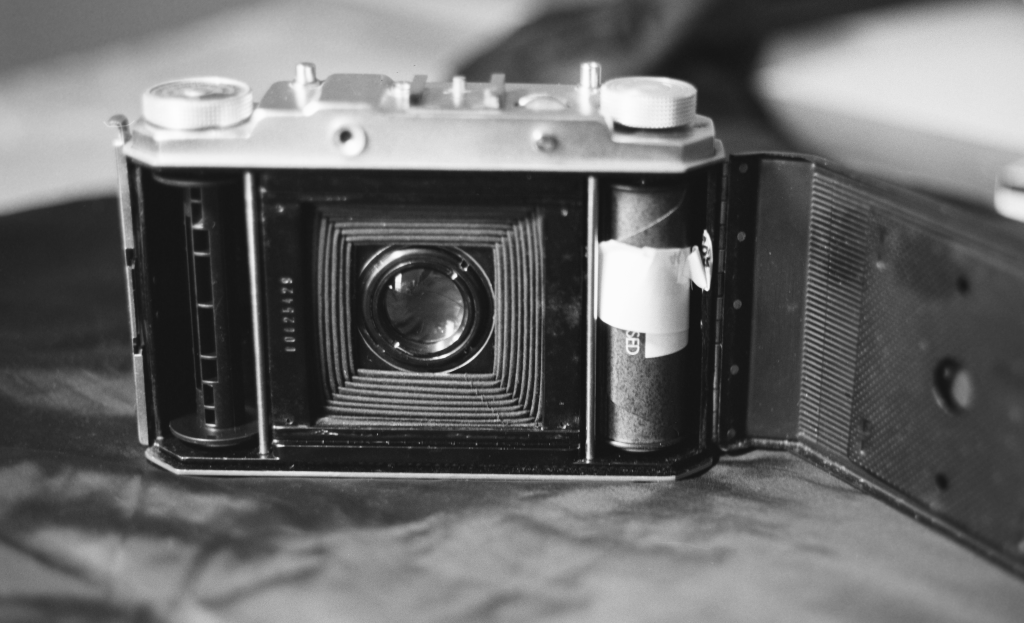
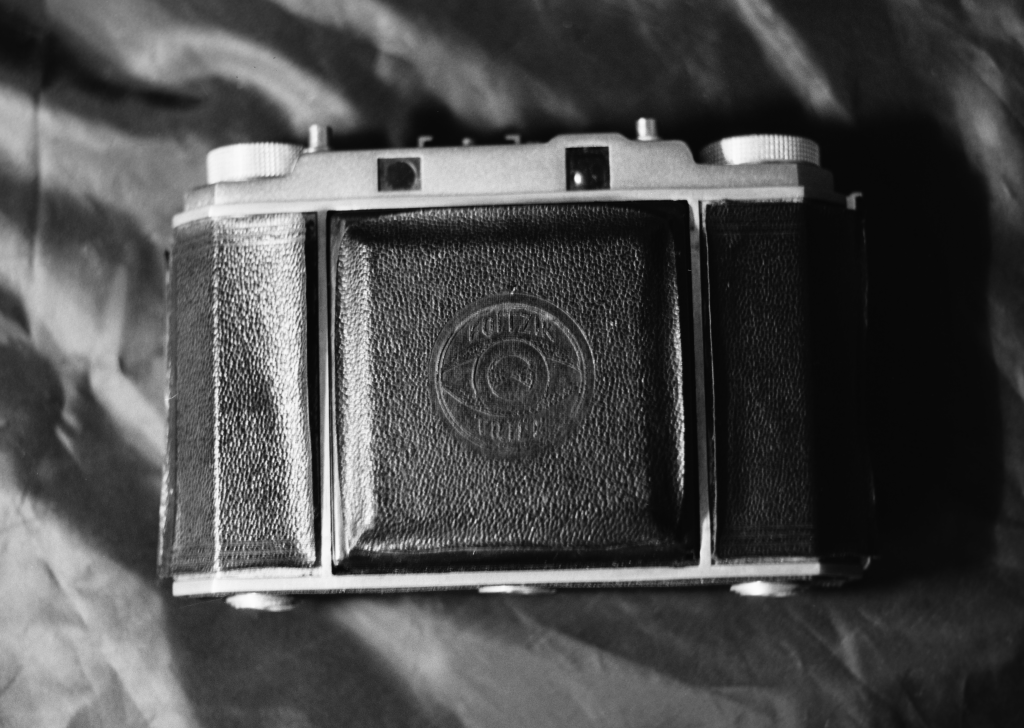
Here we are looking at cameras that are more interesting in terms of performance. They are equipped with variable-speed shutters, and some models occasionally feature rangefinders.
The main advantage remains the compactness of these cameras. They all take up very little space, and most can slip into a coat pocket. However, the image quality of this type of camera, which was produced up until the 1950s, does not match that of newer systems.
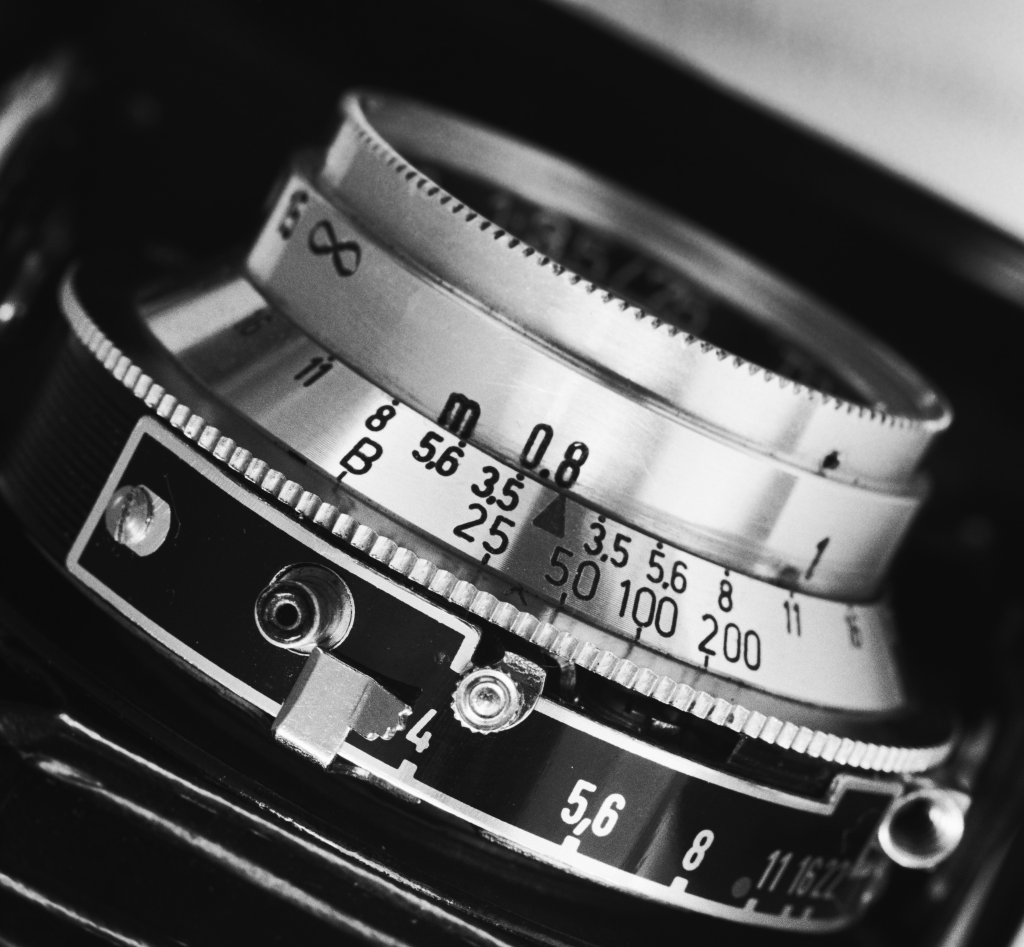
The lens remains the most crucial element for good image quality.
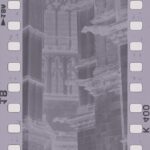
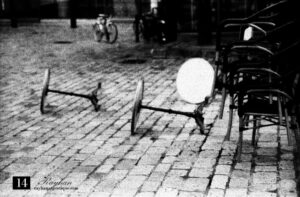
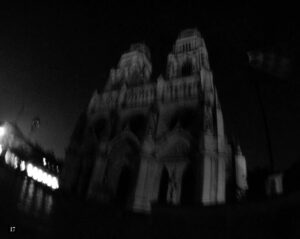
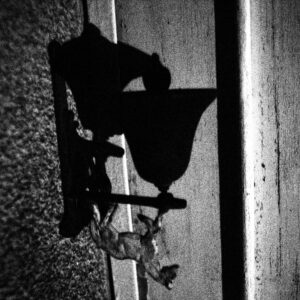
It is best to favor Tessar-type formulas over the less performant triplets (you will find photographs taken with a medium format triplet and a description of a medium format folding camera here).
The Super-Kinax and its 4-element 100mm Bellor lens give good results, unfortunately in 620 format.
For these cameras, which are at least 60 years old, it is necessary to carry out some checks before using them (shutter speed accuracy, no pinholes in the bellows, properly aligned lens, etc.).
The Descendants of Folding Cameras: More Performance, Less Compactness
€500 minimum
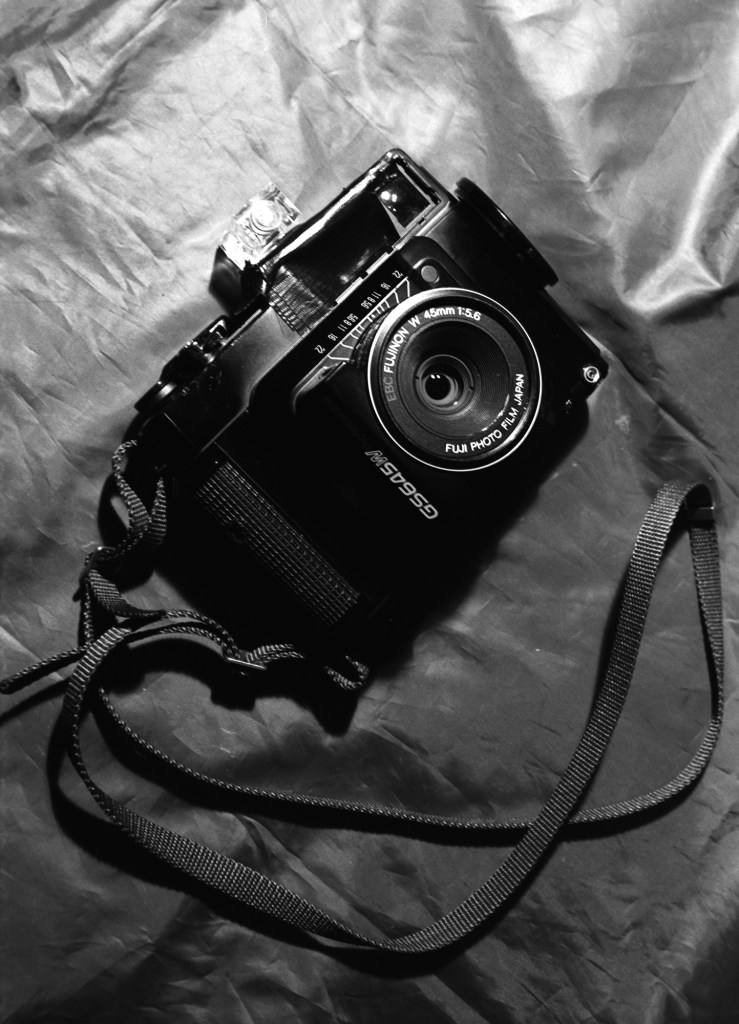
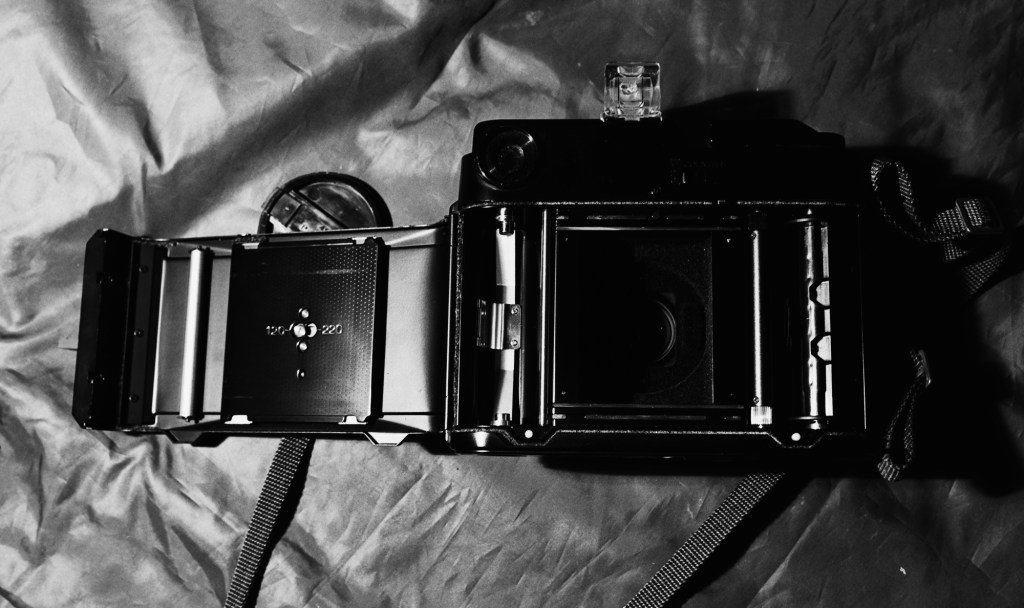
They offer significantly higher image quality than their ancestors and are almost systematically equipped with parallax-corrected rangefinders and built-in light meters.
Some remain relatively compact, but they lack the portability of earlier bellows cameras that could slip into a coat pocket.
This category includes cameras with interchangeable lenses such as the Fujica G69, Bronica RF 645, Mamiya 67, as well as the bulkier Mamiya Press and Konica Omega.
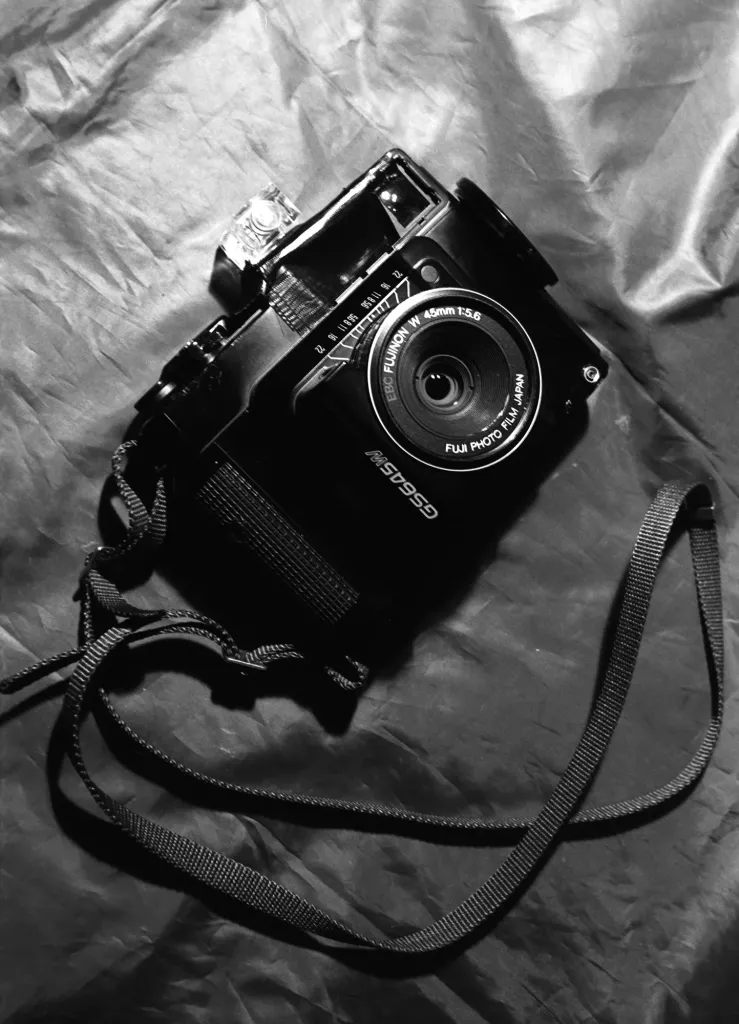
Certain models, like the Fujica GS645 or Makina Plaubel 67, feature fixed lenses.
Twin-Lens Reflex (TLR) Cameras: More Precision
Minimum €80-100
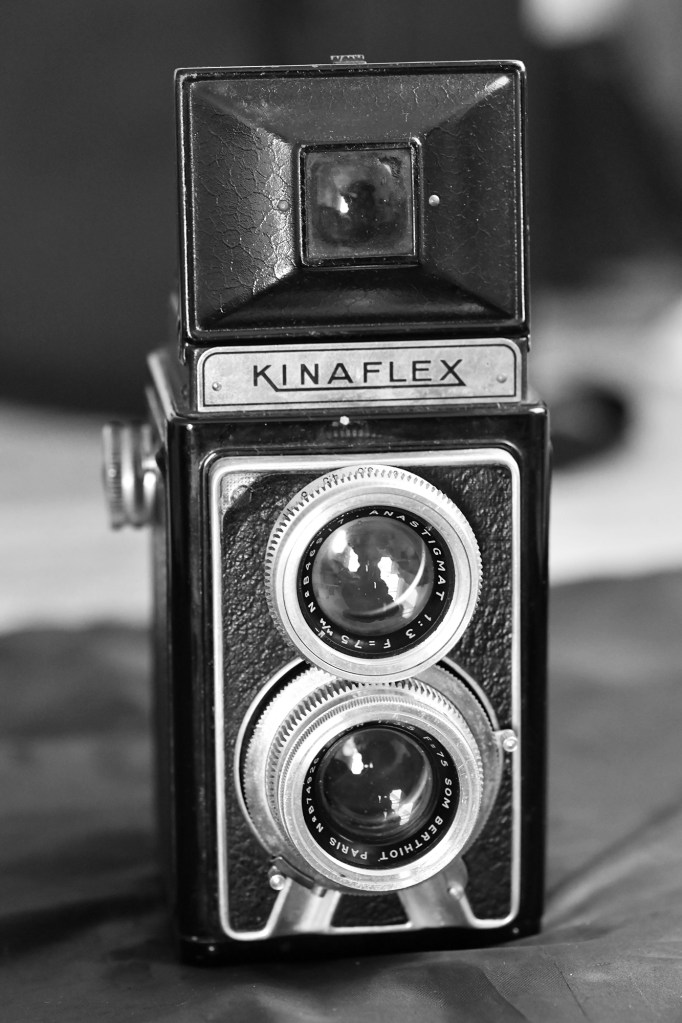
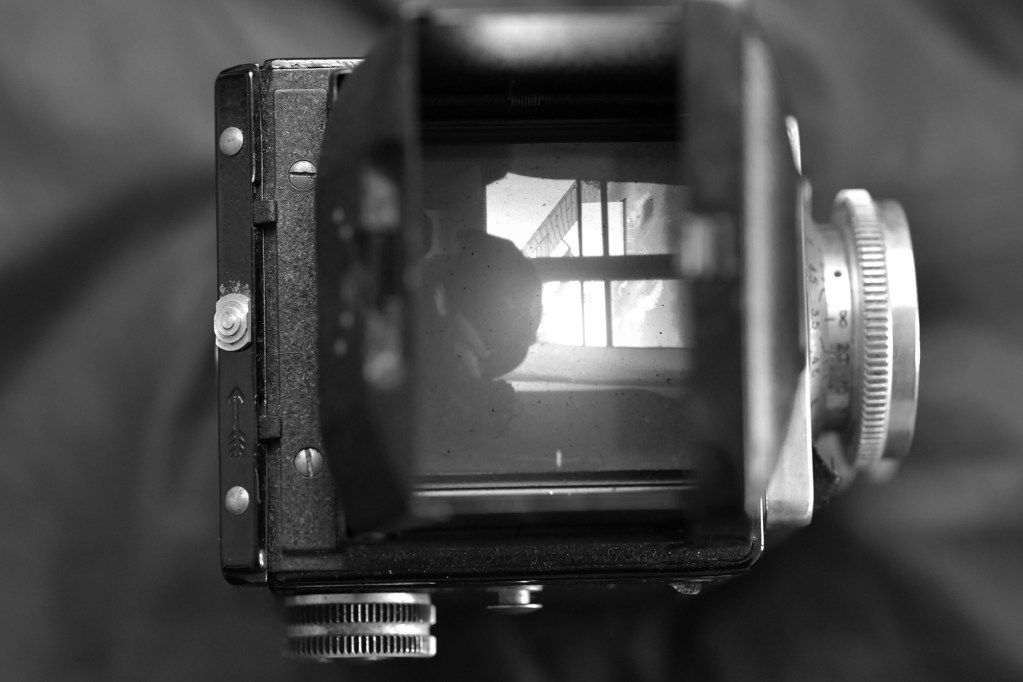
These cameras offer greater accuracy in framing and focusing compared to foldings.
You can find a detailed description of this type of camera (Kinaflex) here.
The most famous remains, of course, the Rolleiflex.
But in France, you can find its “copies” (Semflex, Royflex, Kinaflex, etc.) at affordable prices (around €80-100).
Just like with folding cameras, a Tessar lens formula is preferred.
This system also saw further development with Mamiya, which offered interchangeable lens models until the 1980s (Mamiya C220 and C330 – minimum €350).
Compacts and TLRs Are Not Suitable for Close-up or Macro Photography
Folding and twin-lens reflex cameras are clearly not suitable for close-up or macro photography, as their viewing systems do not allow focusing closer than one meter.
For this type of photography, an SLR camera with a moving mirror system should be used.
To get that close to your subject, you will need an SLR with a reflex mirror system.
Photo taken with a Pentax 645 and a Mir 65mm F3.5 + a close-up macro lens filter.
SLR Cameras: The Most Precise Systems
Mamiya 645 Super Review: A Modular Medium Format WorkhorseMinimum €250 for a Kiev 60/Pentacon Six – which do not have a great reputation for reliability, minimum €400 for a Mamiya or Pentax 645.
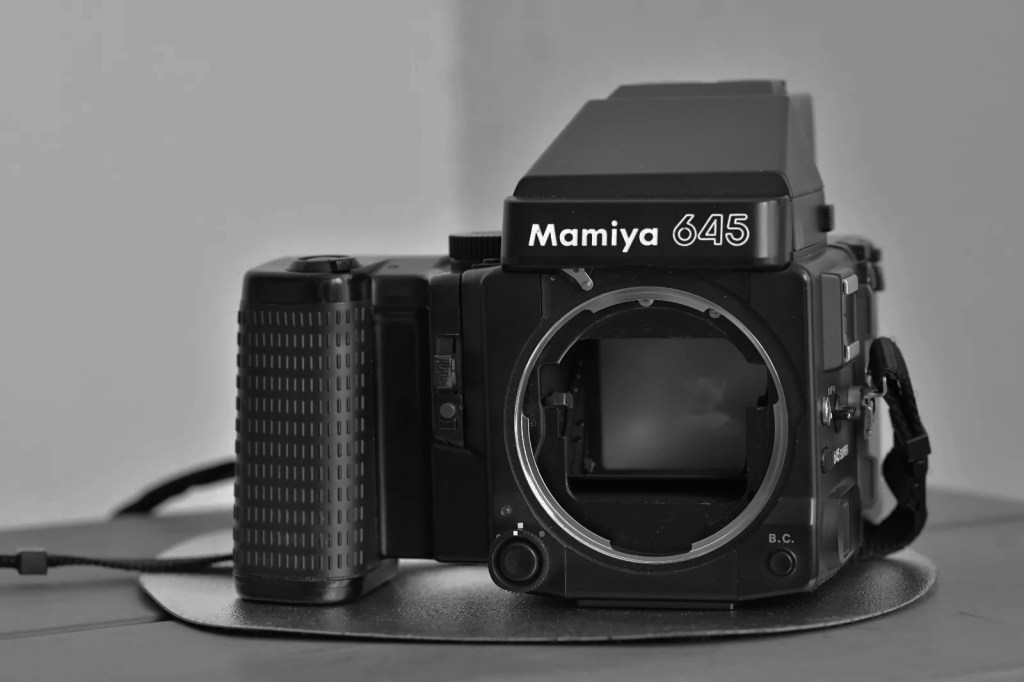
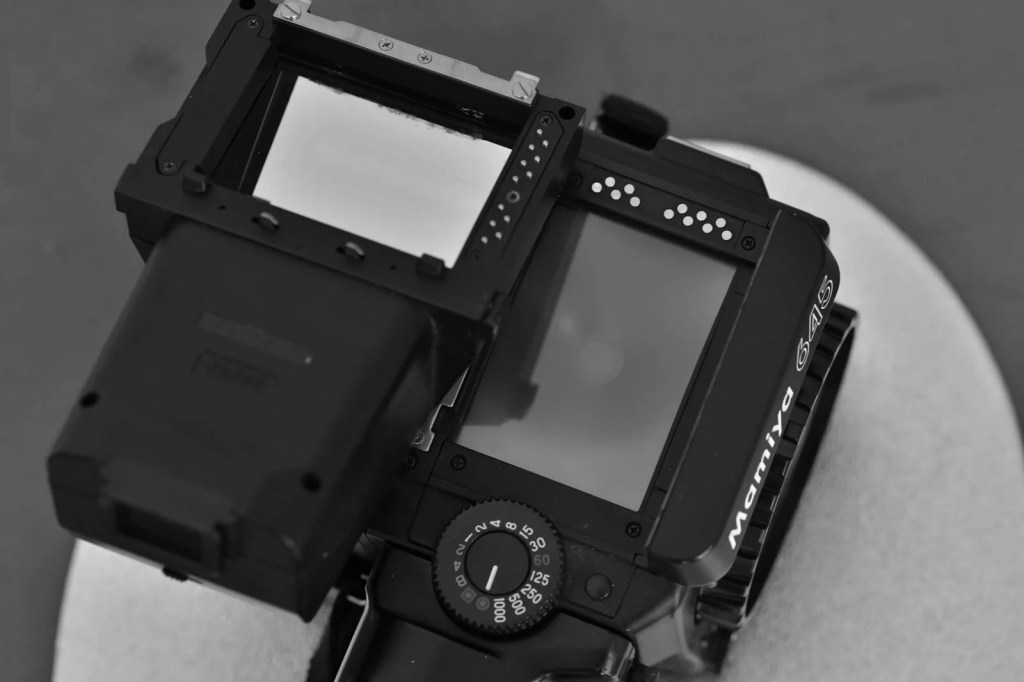
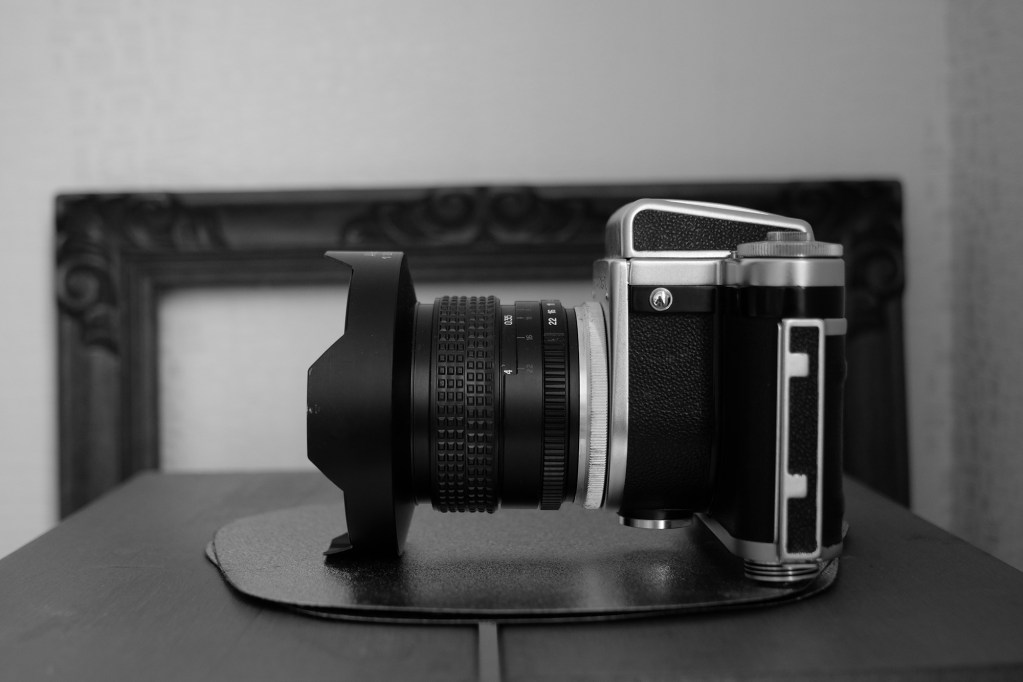
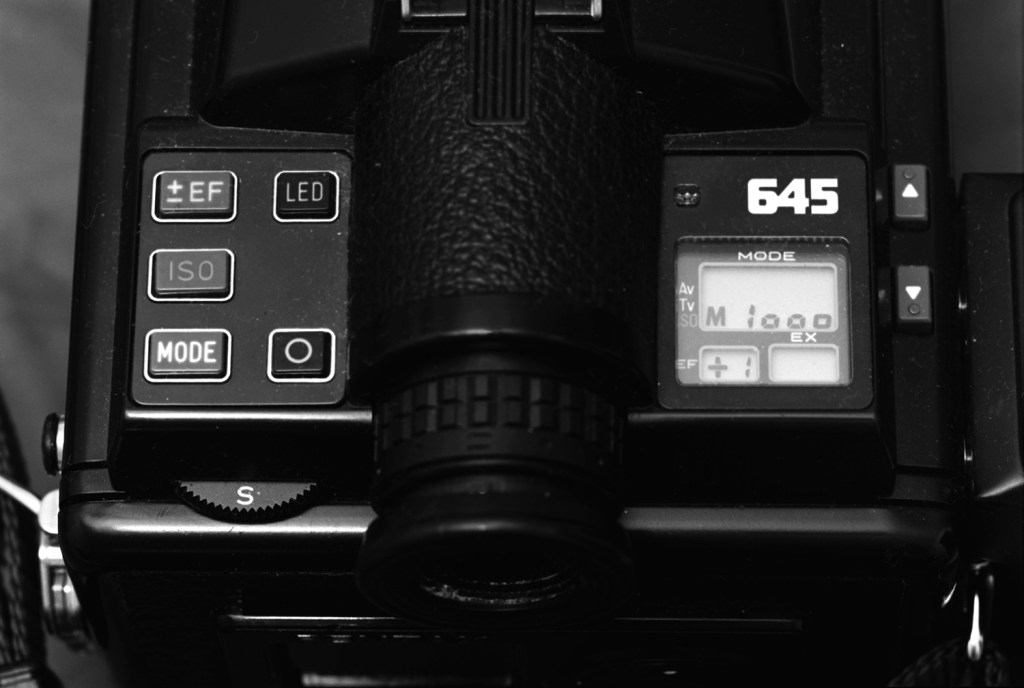
Mamiya 645 Super, Pentacon Six, and Pentax 645.
From macro photography to portraits and landscapes, you can do it all with a Medium Format SLR.
To my knowledge, there are no fixed-lens Medium Format SLRs.
One of the great advantages is that when the flange focal distance allows it, you can adapt lenses from one system to another.
For instance, by buying an adapter, you can use Bronica SQ lenses on a Mamiya 645, as I did here with this Zenzanon 180mm lens).
There are quite a few Medium Format SLRs available: Pentax 67, Kiev 80/88/Salyut, Kiev 60/6C/Pentacon Six, Pentax 645, Mamiya 645, Kowa 66, Contax 645, Bronica, Mamiya RB, Fuji GX680, and Hasselblad for those with deeper pockets—just to name a few.
For beginners looking for the lowest possible price point, I highly recommend a Mamiya M645 rather than a Kiev or Pentacon, which require careful checking and scrutiny at the time of purchase.






Leave a Reply