


Two Main Categories of Film Developers
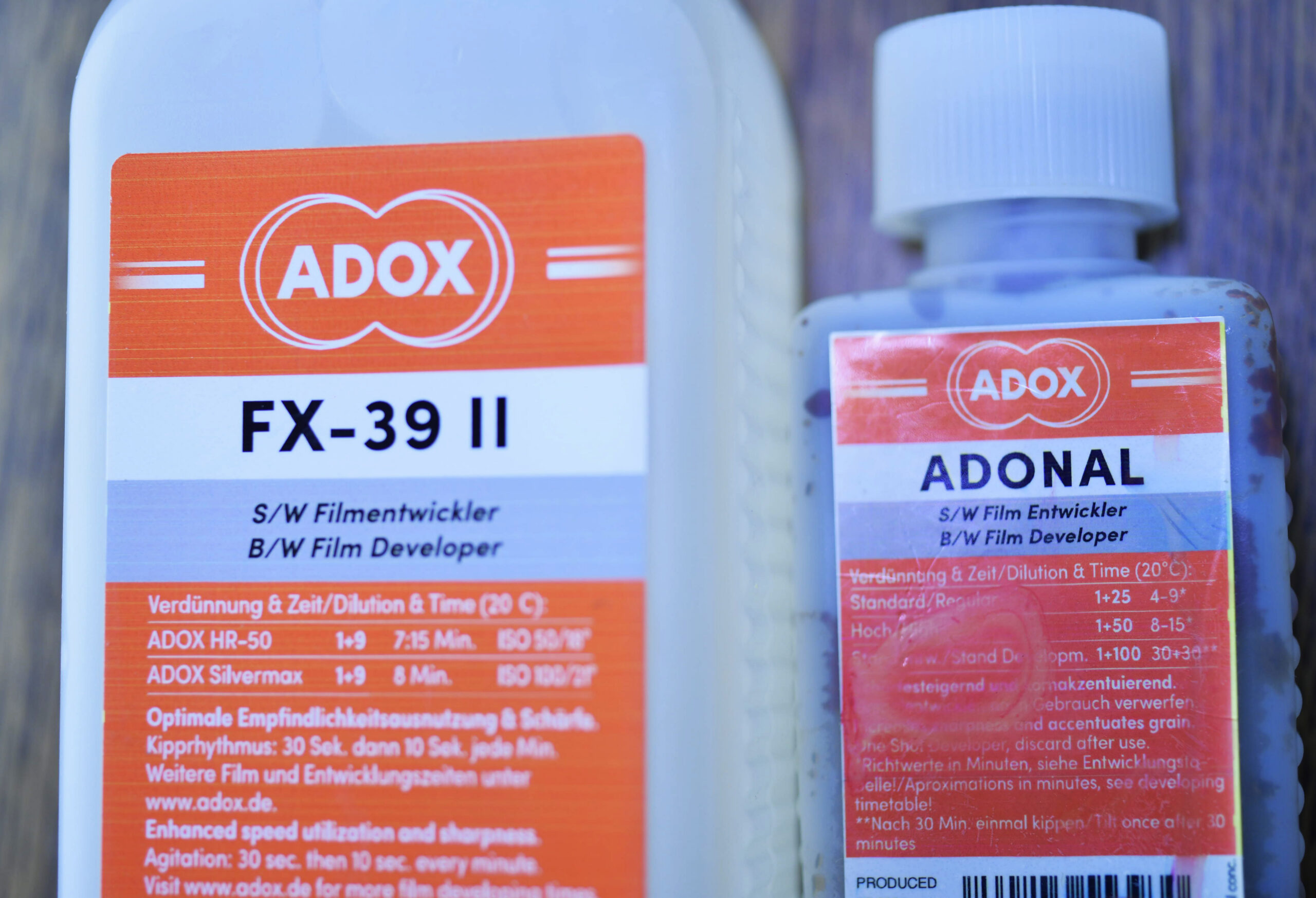
Film developers can generally be divided into two main categories:
- Solvent developers reduce the appearance of grain. Their packaging often includes labels such as “fine grain” or even “ultra fine grain”;
- Non-solvent developers do not alter the grain structure and provide a greater impression of acutance.
Negatives Developed with a Non-Solvent Developer
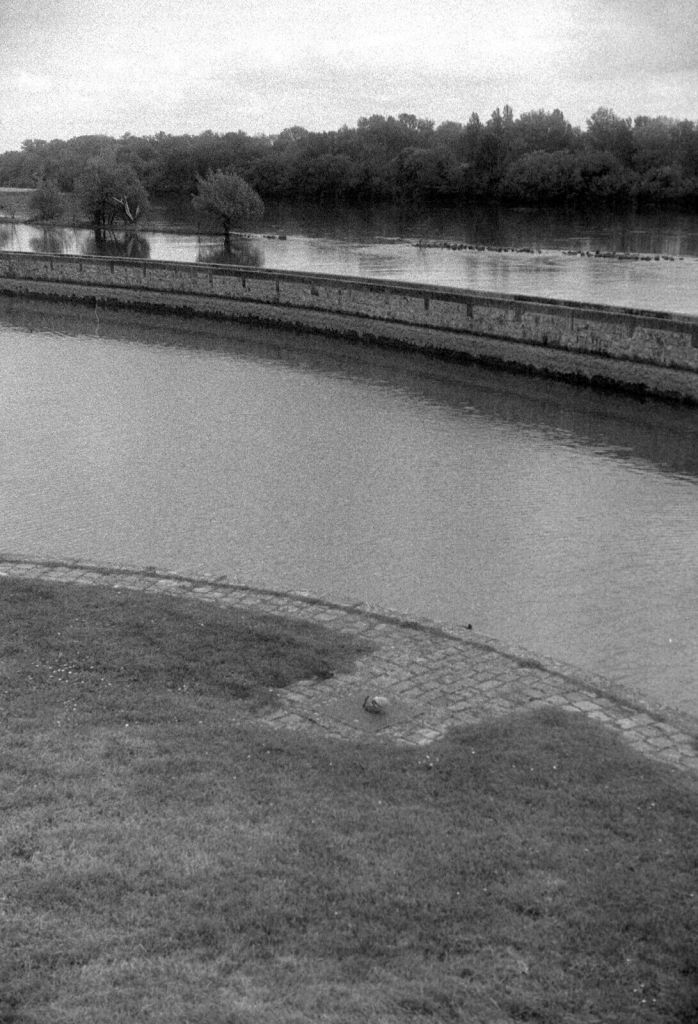


Above, a 35mm Paul & Reinhold ISO 640 film developed in Rodinal, a non-solvent developer.
Edges are sharp, but the grain is clearly visible.
Negatives Developed with a Solvent Developer
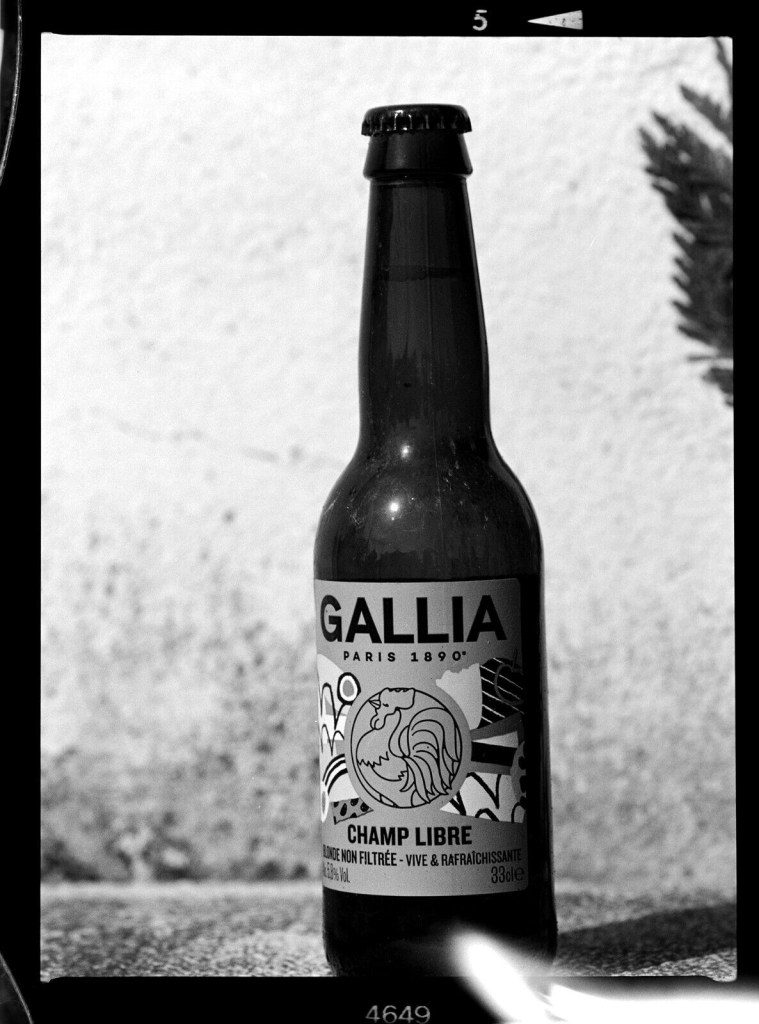
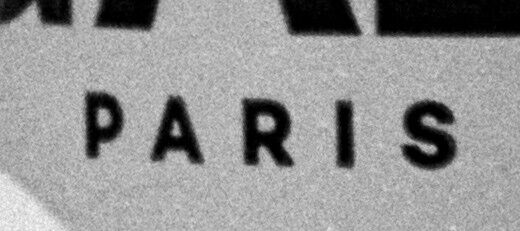

Above, a 120 format Ilford Delta 400 film developed in Atomal 49. The grain is finer, but the feeling of acutance is less pronounced.
Tabular Grain Films Prefer Solvent Developers
To get the best results from tabular grain films, often identified by the word “Professional” printed on the box, the use of a solvent developer is highly recommended.
A Solvent Developer Does Not Magically Remove Grain
Whether using a solvent or non-solvent developer, high film sensitivity and small film formats will inevitably make grain visible.
For example, using a solvent developer with a 35mm film exposed at 1600 ISO will reduce the appearance of grain, but it will not make it disappear.









Leave a Reply