


Film Flatness Is Essential For Image Quality
Film flatness, and by extension the correct distance between the film and the optical assembly, is essential if you want to achieve good image quality.
If the film is positioned even a few millimeters too far forward or backward from where it should be, the resulting image will simply be blurry and unusable.
How Is the Film Kept Flat?
The film is pressed against a pressure plate so that it remains perfectly flat and correctly positioned.
On sophisticated models such as the Contax RTS III, this plate is even equipped with small “vacuum” holes designed to flatten the film perfectly.
Identifying a Film Flatness Defect
If the image recorded on your film does not form a perfect rectangle, it means the film was not flat at the moment the picture was taken.
Regarding image quality, the issue can be almost imperceptible if you stop down the aperture and shoot at infinity focus.
However, the defect becomes obvious (blurred image, shifted focus, tilt-like effect) when focusing at close distances or using a wide aperture.
A Simple Part With Major Responsibilities
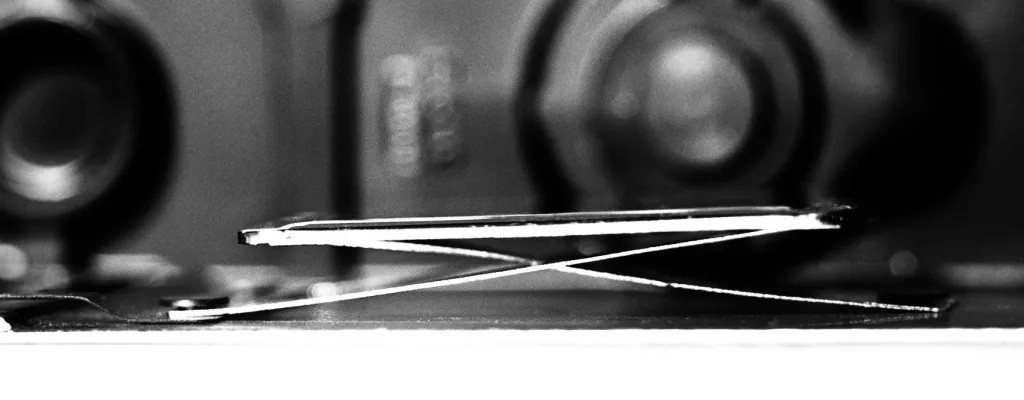
The risks of failure are greater and more critical with medium format cameras.
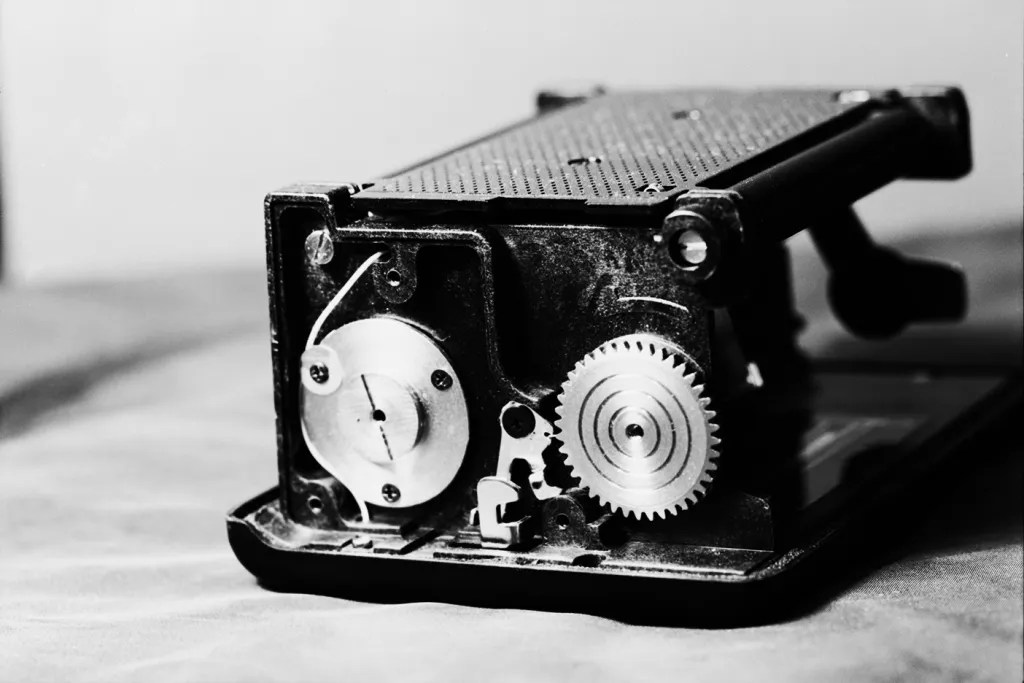
For example, I encountered an issue on a Pentax 645 film back where the problem was not the pressure plate itself, but a missing component in the film advance mechanism that caused poor film flatness.
This was visible because the image appeared tilted and the focus plane was shifted on the negative.
Something We Don’t Always Think About
When I first saw the blurry images produced by the Foca, I initially assumed that an internal lens element was misaligned and forgot to inspect the pressure plate.
The lesson here: if you notice this kind of defect, remember to check the pressure plate.












Leave a Reply