

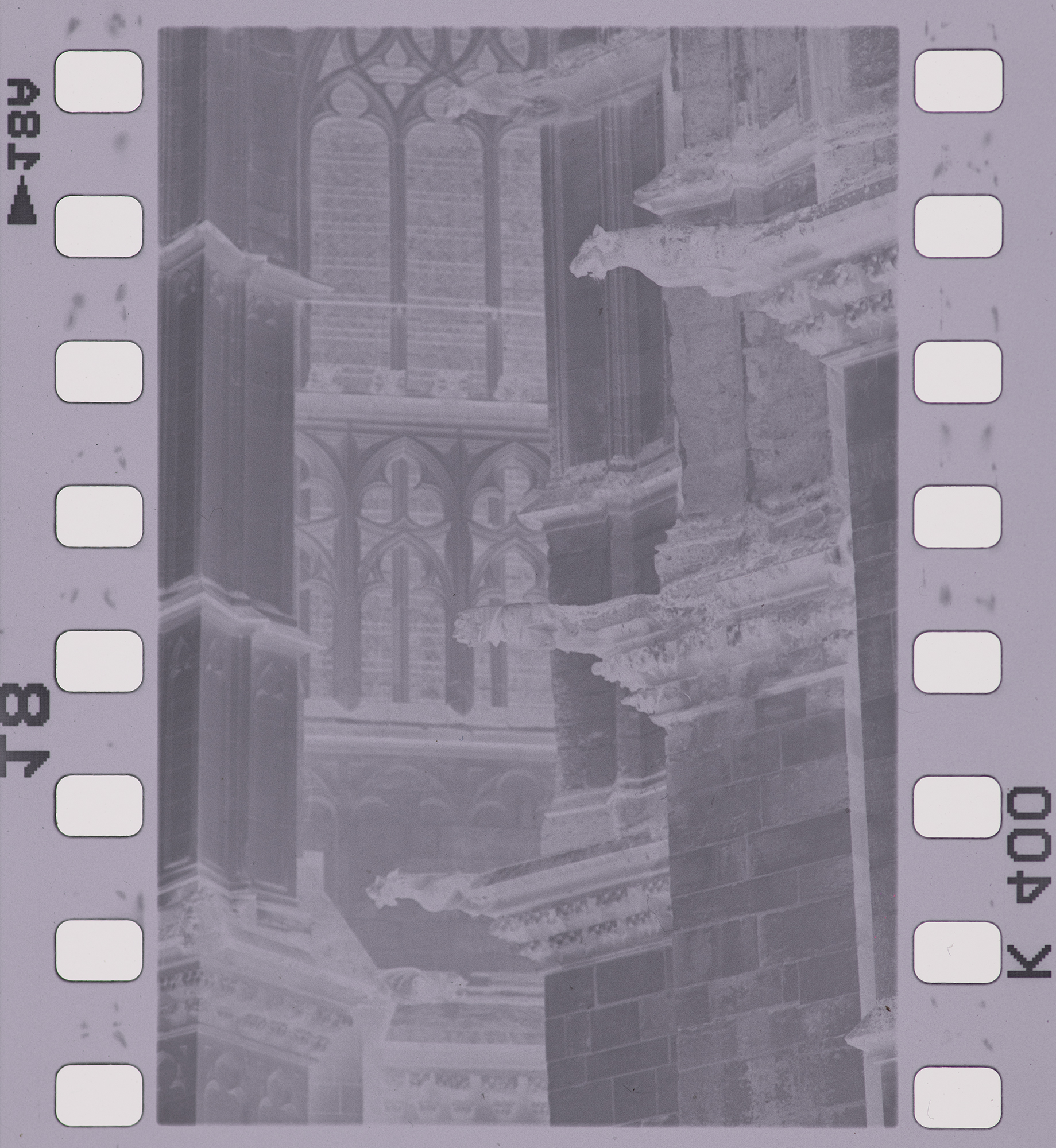

My experience with a flat scanner
Easy to use…
A flatbed scanner has clear advantages when it comes to ease of use:
You put your negatives the slide and clic on scanning, and you have your files ready to be used.
…but slow…
Digitizing film with a flatbed scanner is a slow process. It takes 20 to 30 minutes to scan all the 36 images of a 35mm roll.
And you have to stay next to the scanner because it requires you to loading the slide.
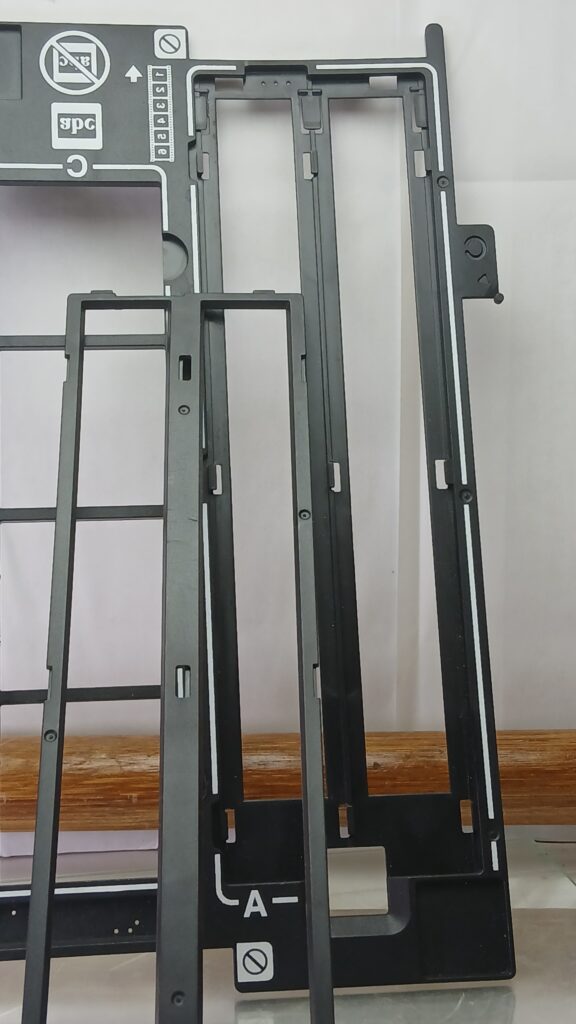
A slide can only carry 12 35mm images at once.
Installing additionnal software and having to learn how to use it are also annoying.
…and far from the best image quality
A flatbed scanner is also clearly not the best device for extracting the most quality of your negatives.
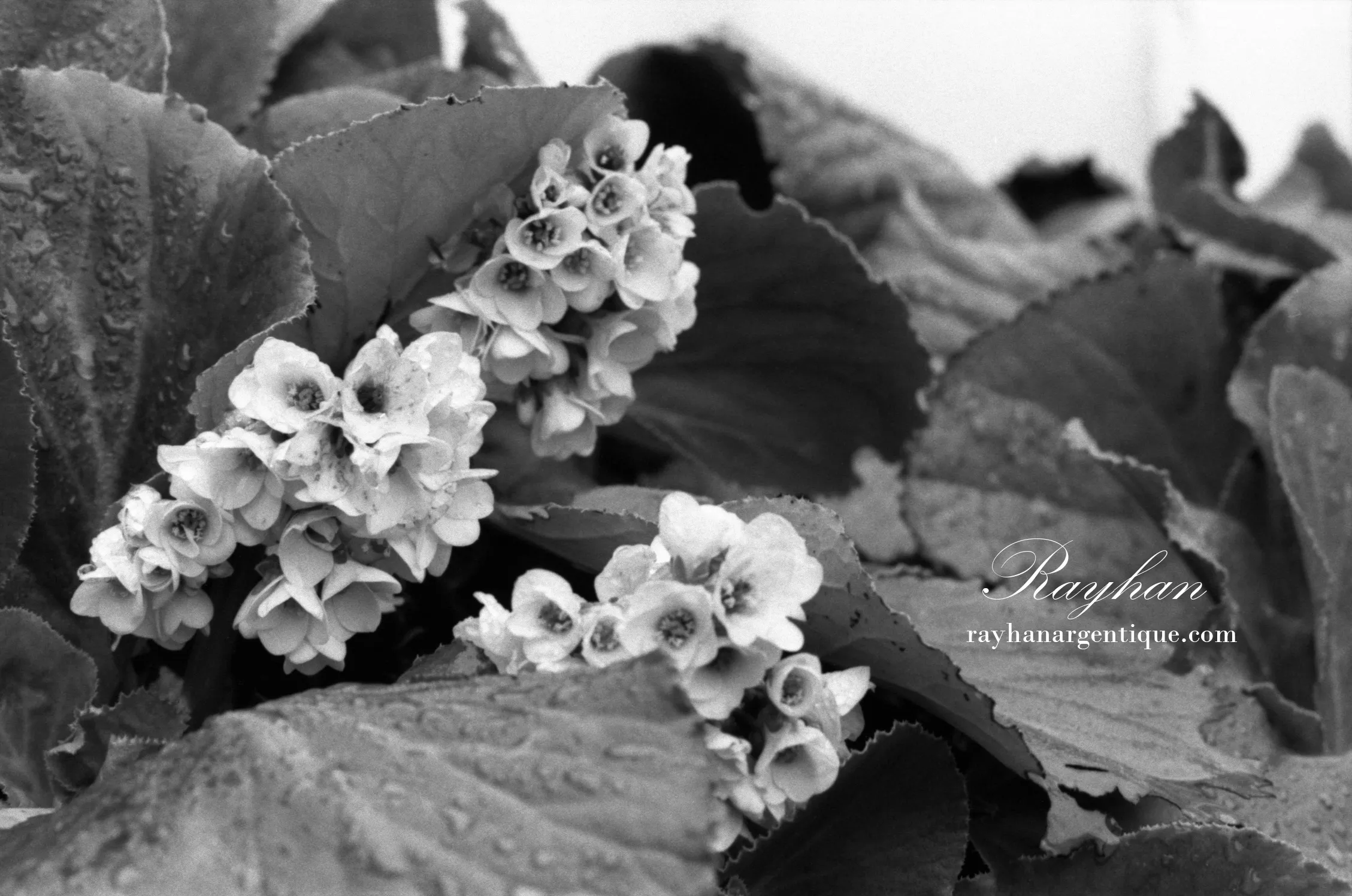
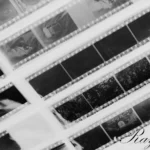
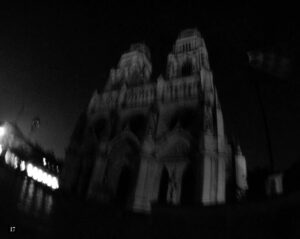
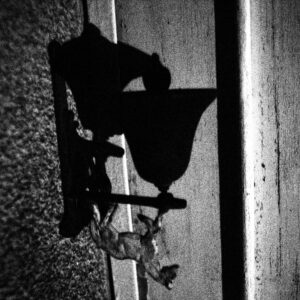
As you can see on the previous image, a flatbed scanner is capable of giving good images to work with.
However, if these digitizations are fine for a computer screen or prints less than a US letter or A4 format, they are not good enough for larger prints.
How bad is a flatbed scanner ?
A low resolution
For better understanding: the output of 6.7 – 8.6 mega pixels of the Epson matches the resolution of current smartphone cameras.
filmscanner.info about the epson V850 – https://www.filmscanner.info/en/EpsonPerfectionV850Pro.html
This website, which has extensively analysed an Epson V850, the most modern commonly used flatbed scanner to digitize film, affirms that its effective resolution when digitizing 35mm film is 6.7-8.6 Mpx.
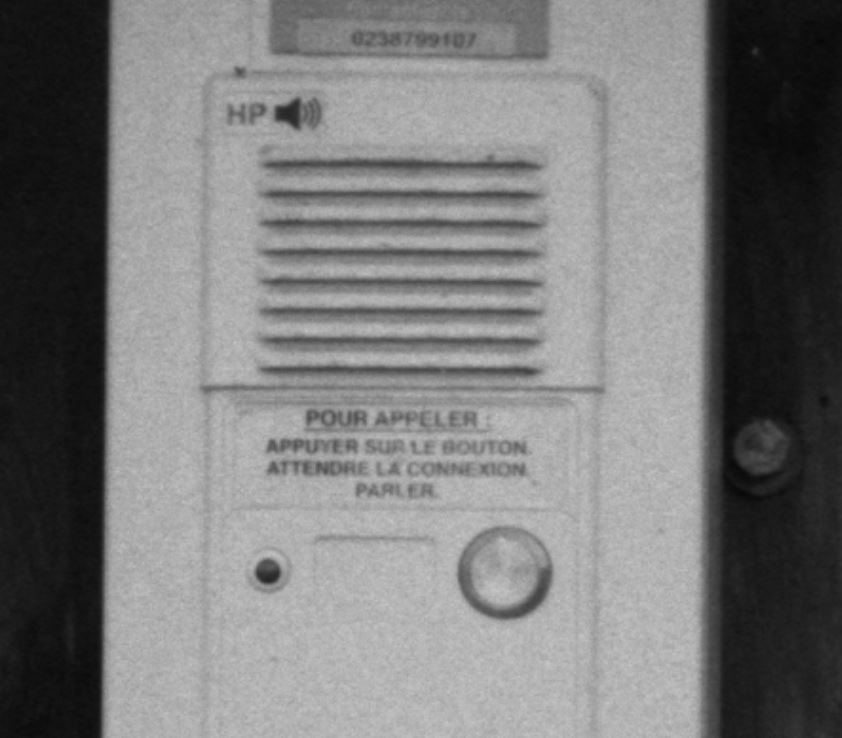
You will not extract all the details from your negatives
The average resolution of a 35mm film is said to be 10-12 Mpx.
The V850 is very far from these values.
Low sensivity films (Pan 50, Delta 100, Ortho 25, etc.) which have a greater resolution, will accentuate this issue.
So, if, like me, you want to make large print of your digitize negatives, the resolution performance of the V850 is just unacceptable.
A limited dynamic range
Compared to other options, if you have a high-contrast negative, you will end up loosing details in the darker or brighter area of the image.
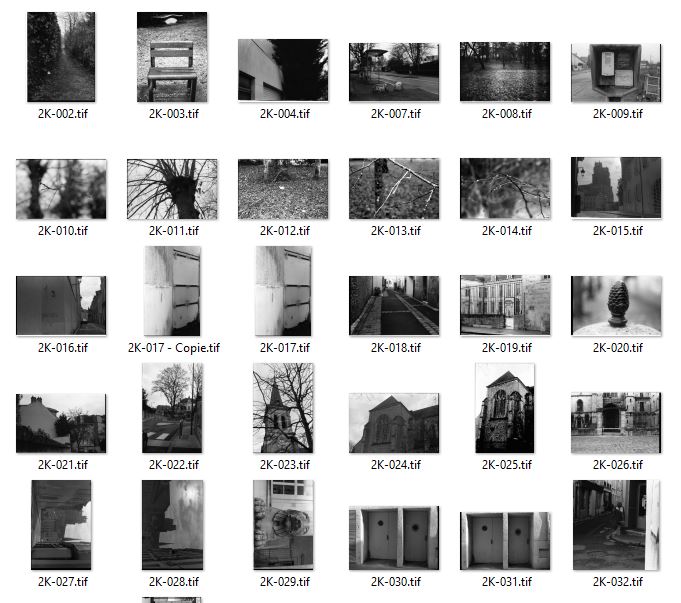
For the same resolution, a TIFF given by my Epson Perfection 4490 was 2 times bigger than the RAW of my Nikon camera.
Not the easiest files to edit
From my experience, you will have more ease to develop a RAW file generated by a digital camera than the TIFF file given by a flatbed scanner.
The alternative
Specialized film scanner: better performance but costly
There are specialized film scanner (Reflecta, Nikon Coolscan, etc.). But they are rare and not cheap.
And even if they perform better than an Epson Perfection, they will not give you as much resolution as a modern digital camera.
A digital camera offers the best quality
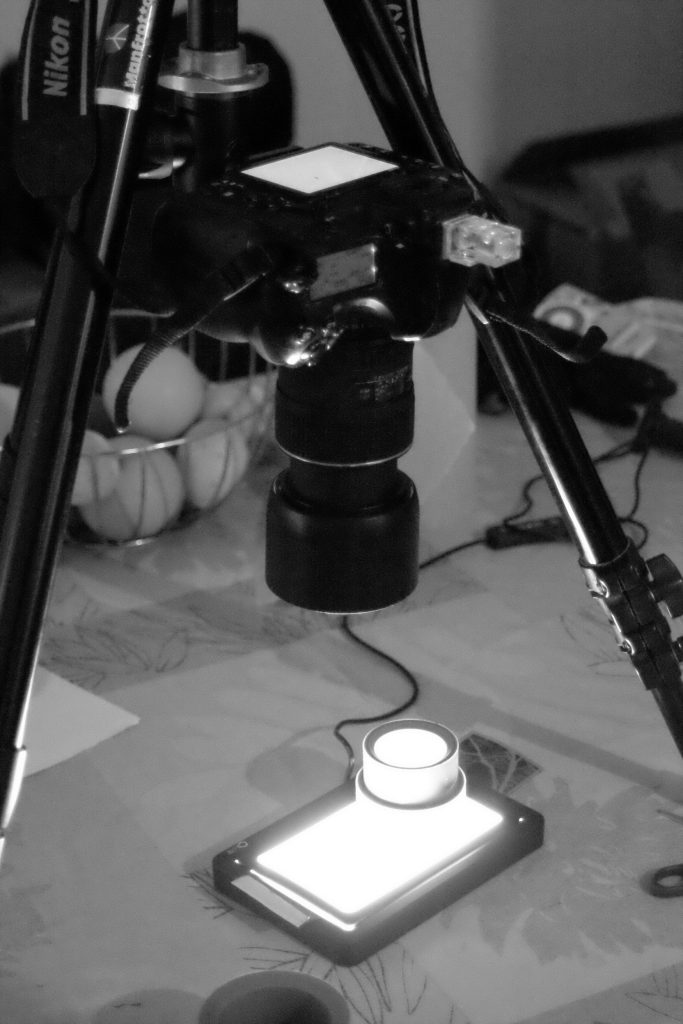
A common digital camera has a resolution of 24mpx three times superior to a flatbed scanner and better than a specialized film scanner.
Of course, you have to use a good macro lens to get the most of the sensor resolution, but it is just in another class in terms of resolution performance.
If I would’nt use a digital camera to digitize my medium format and 35mm negatives, I wouldn’t be able to propose such large art print for sale.
Scanning with a digital camera is not the most comfortable option, but from my point of view of fine art photographer, it is definitely worth it.
Conclusion: A flatbed scanner is interesting for its practicality, not its performance
For a mixed utilisation (scanning document, analog prints, etc.) and if you are not after image quality for your negatives, a flatbed scanner is still a good option.
If you a more precise comparison -like regarding the costs of each solution- you can read this article:




Leave a Reply