


Different Ways to Create Multiple Exposures
There are several ways to combine multiple images into a single photograph:
In the darkroom, by enlarging two negatives onto the same sheet of paper;
On a computer, using your favorite editing software;
Directly in-camera, by preventing the film from advancing.
This last option is the most difficult, but also the most rewarding because the result is final and impossible to modify afterward.
It demonstrates the photographer’s mastery at the moment of capture.
That is the method I will focus on here.
A Note About Equipment
In practice, the goal is to prevent the film from advancing while still cocking the shutter.
Some cameras include dedicated multiple exposure modes, but this is far from universal.
Depending on your camera, achieving this effect may require different actions or techniques.
Read your camera manual or search online to learn how to do it properly with your specific model.
Careful, some cameras do not like this manipulation and can be damaged by a repeated use of this method.
How to Successfully Create a Multiple Exposure
Only Light Is Recorded on Your Film
In practical terms, this means that if you photograph a lamp and then try to erase it by taking 50,000 pictures of complete darkness, it will not work.
Only light is added to film.
Exposure Values to Remember in the Field
To expose your negative correctly, you must reduce the exposure indicated by your light meter according to the number of exposures you plan to stack.
For a double exposure:
If the light meter indicates 1/125, then:
1 / (125 × 2) = 1/250
For a quadruple exposure:
If the light meter indicates 1/125, then:
1 / (125 × 4) = 1/500
And so on.
Of course, you can — and should — adjust the exposure between shots in order to emphasize or soften certain elements within the final image.
Different Types of Multiple Exposure
Layering Different Scenes
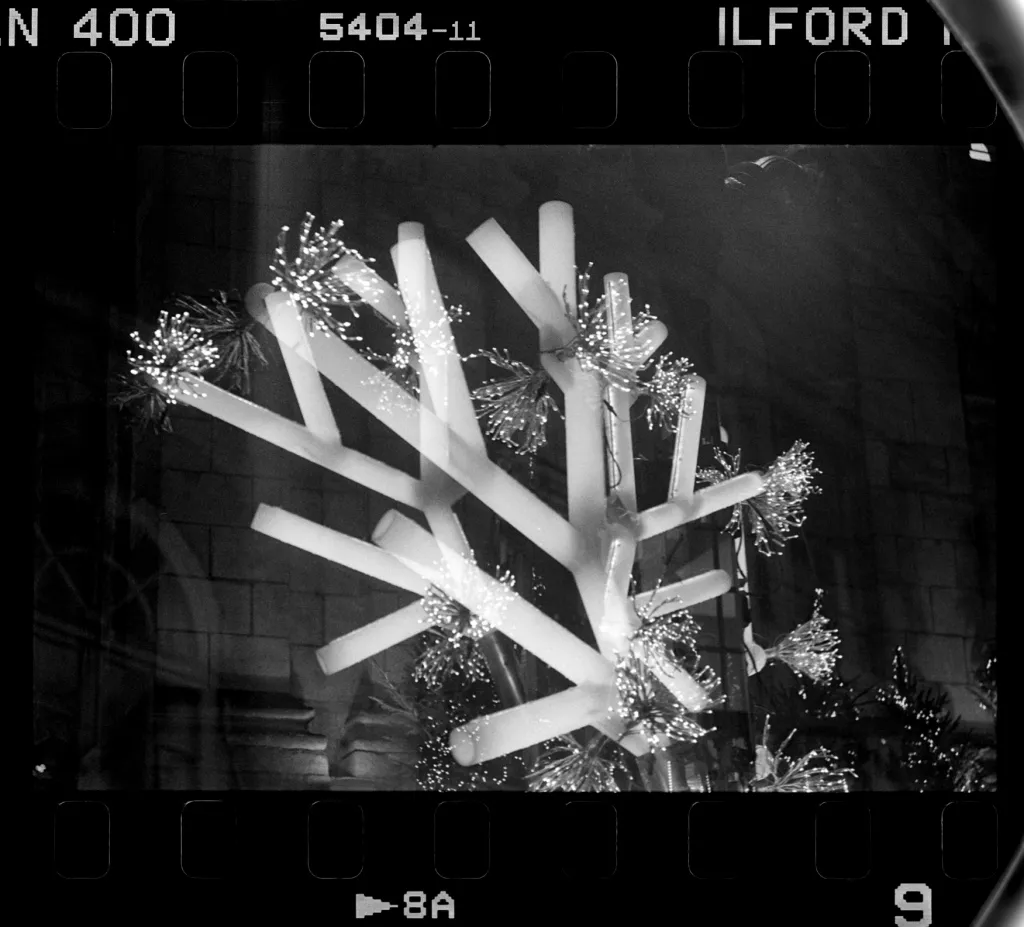
Different scenes are stacked together to create a new visual composition.
Focusing on a Single Scene or Subject

You focus on one scene or object and repeatedly trigger the shutter.
Releasing the Shutter Multiple Times from the Exact Same Position
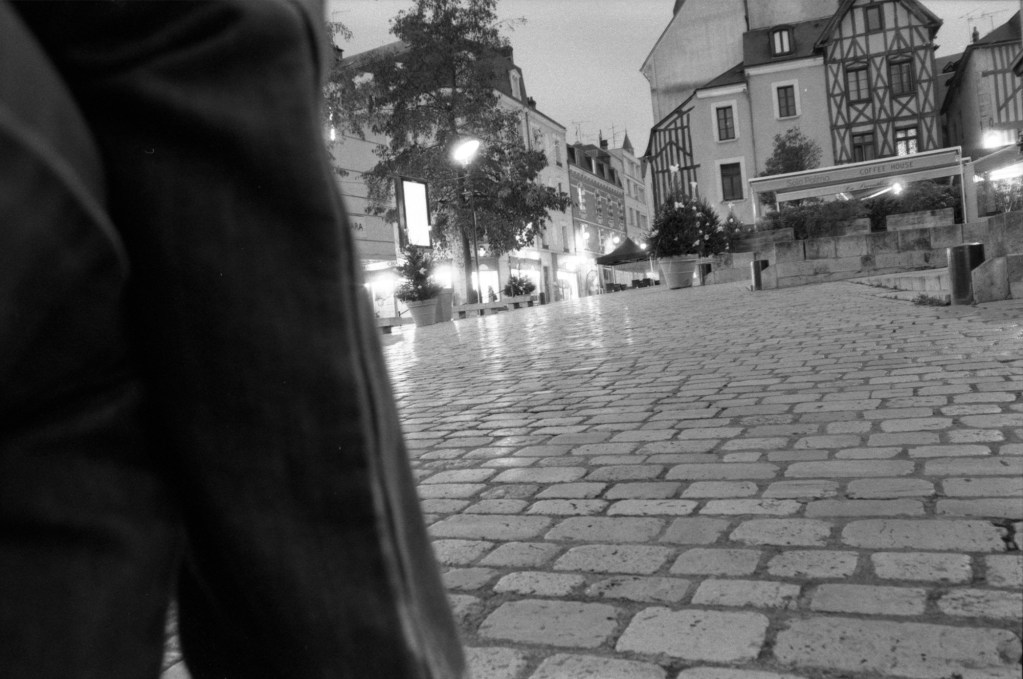
The shutter is triggered several times from precisely the same location.
(In this particular case, a long exposure would have produced the same result.)
Creativity And In Camera Multi Exposures
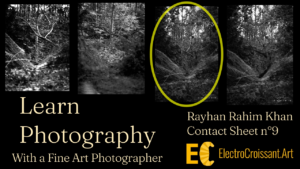
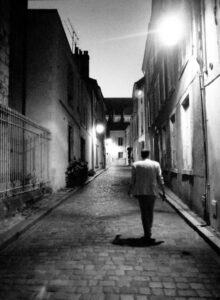
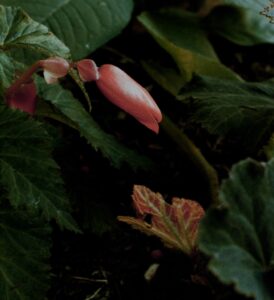
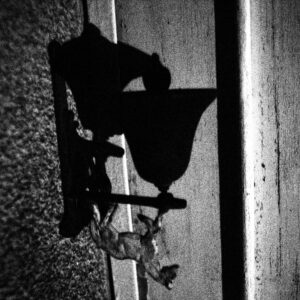
If you want to learn more about in-camera multiple exposures, this contact sheet provides tips for finding interesting subjects and understanding how to improve your photos by studying concrete examples:




Leave a Reply