

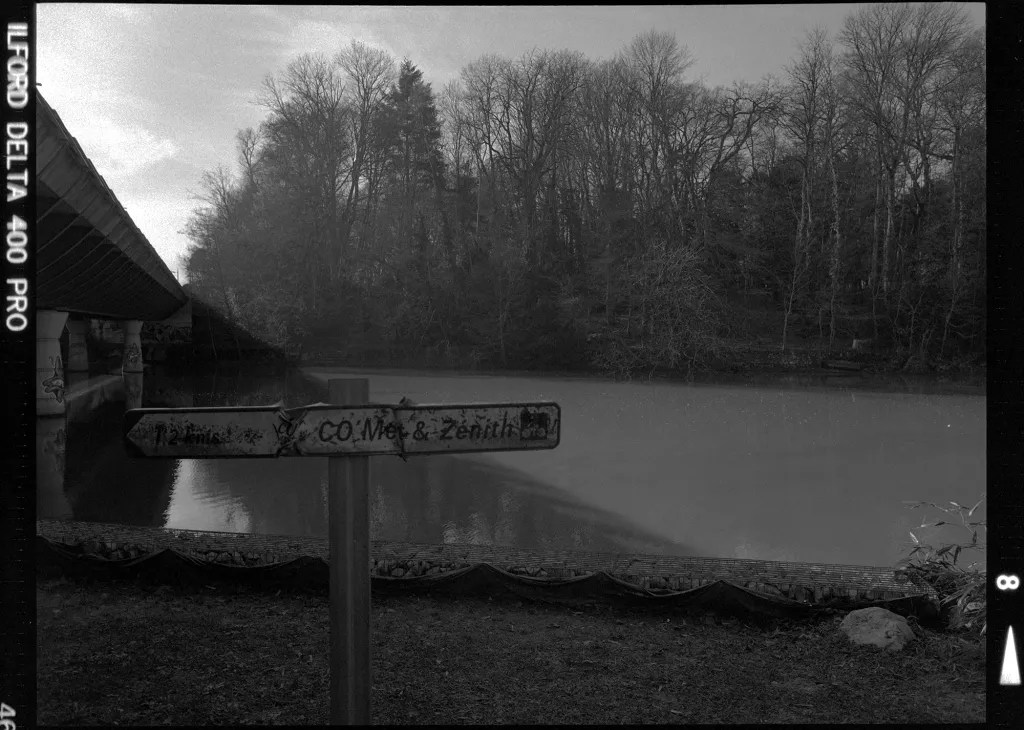

From Digital to Film
I started photography with digital cameras before moving to film after trying the process.
This choice was motivated by several factors:

At the shooting stage
Seeing the image immediately or later
When shooting film, you don’t get to see the image right away. Some may see this as a disadvantage compared to digital cameras.
Personally, I prefer it this way. Seeing the image instantly tends to distract me more than anything else.
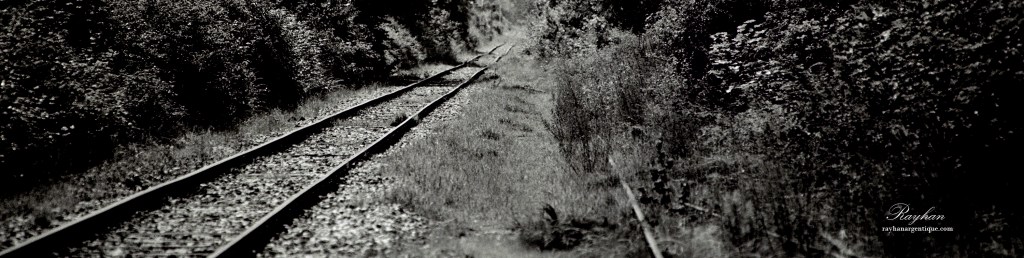
Workflow
Film isn’t actually that slow
Even though digital will always be simpler and faster, it would be inaccurate to say that working with film means slowness and days of waiting.
In practical terms, it’s entirely possible to shoot during the day and have darkroom prints and scans ready by the evening or the next day.
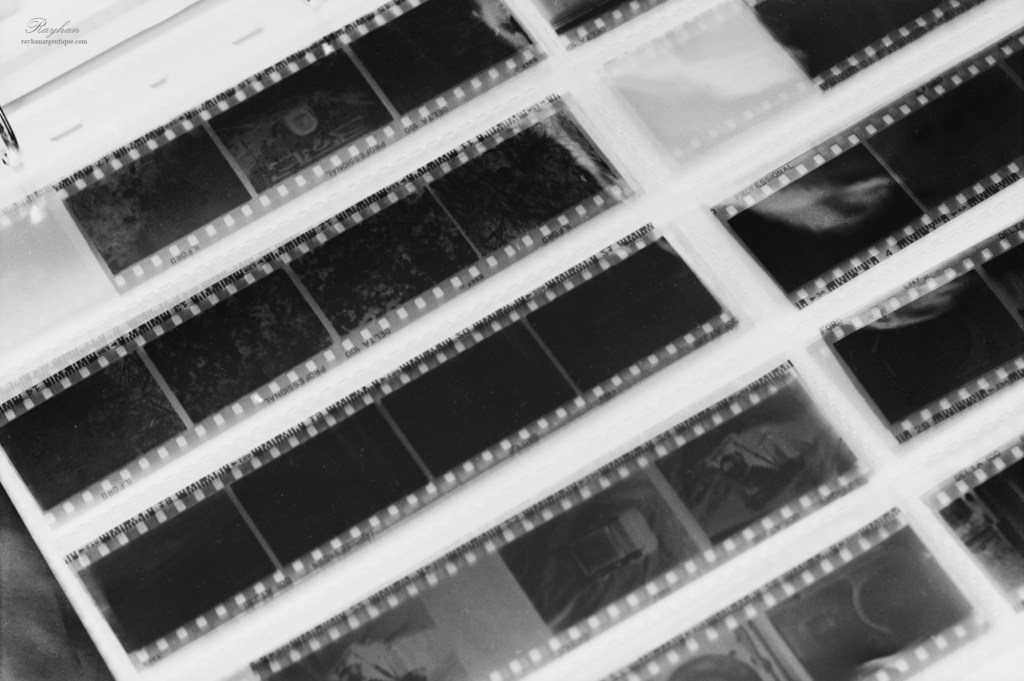
The images
Two different sensors, two different renderings
Film has a charm that digital does not
A digital sensor is much thinner than the emulsion of film. Moreover, a digital sensor remains flat, while film emulsion varies in density depending on the amount of light received.
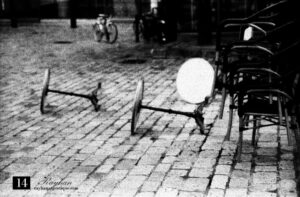
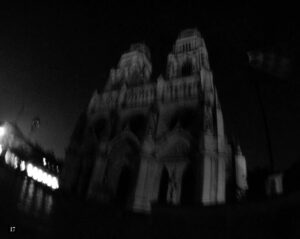
In the end, I perceive more depth in a film photograph than in a digital image. Film feels less clinical and more organic.
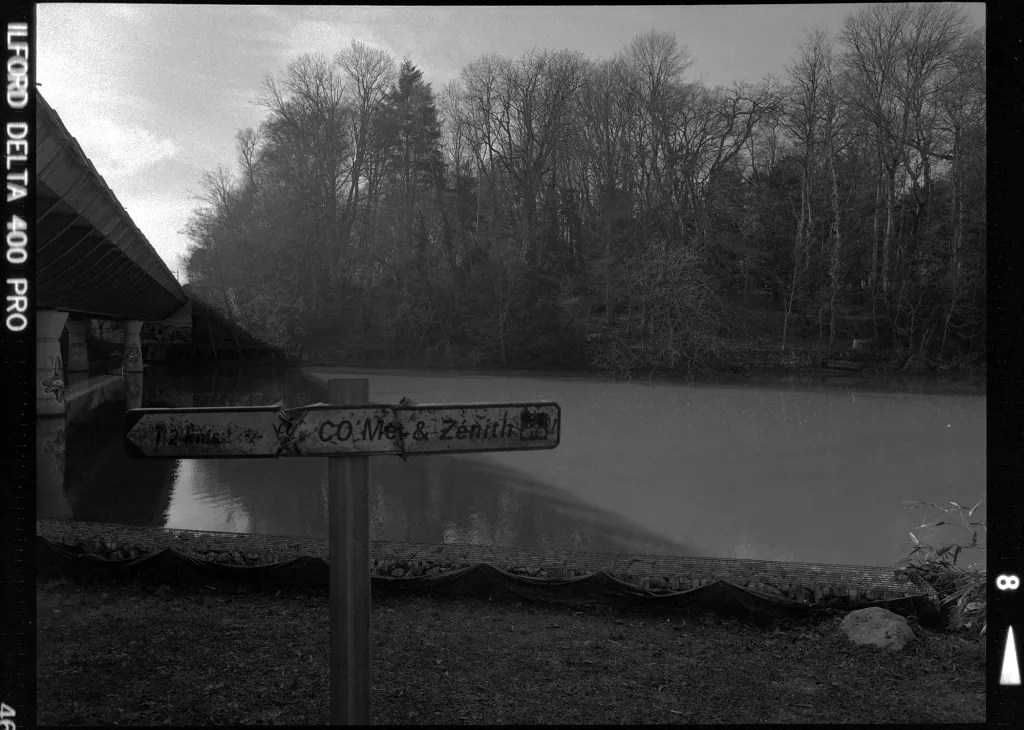
Film resolution vs digital
Film images are not necessarily of lower quality than digital ones. Dynamic range is comparable, and from medium format onward, film can produce images at least as detailed as those from the best digital cameras.
With large format, film simply surpasses digital sensors in terms of image resolution.
Film photography: adding artistic value
Film photography truly shines in artistic contexts. Its unique rendering adds value to this type of imagery.
For technical or purely practical subjects -where rendering is less important – digital, requiring far less effort, is the more appropriate tool.
Digital: more practical than film
Fast results with minimal effort
When I need to produce images quickly – for example, for an article, an illustration, or a tutorial step – I’m very glad to have a digital camera available.

Scanning negatives
A digital camera is also extremely useful for scanning negatives. As shown in this article, it is one of the most efficient ways to obtain high-quality scans.
Digital for experimentation
Digital is also ideal for practice and testing different lighting setups and exposures before shooting on film.
Digital excels in macro photography
Digital cameras allow for extremely precise focusing. While focus stacking can also be applied when scanning negatives, its high cost makes it less suitable for film photography.
The ability to shoot a large number of images at no extra cost makes digital far more effective for this technique.





Leave a Reply