

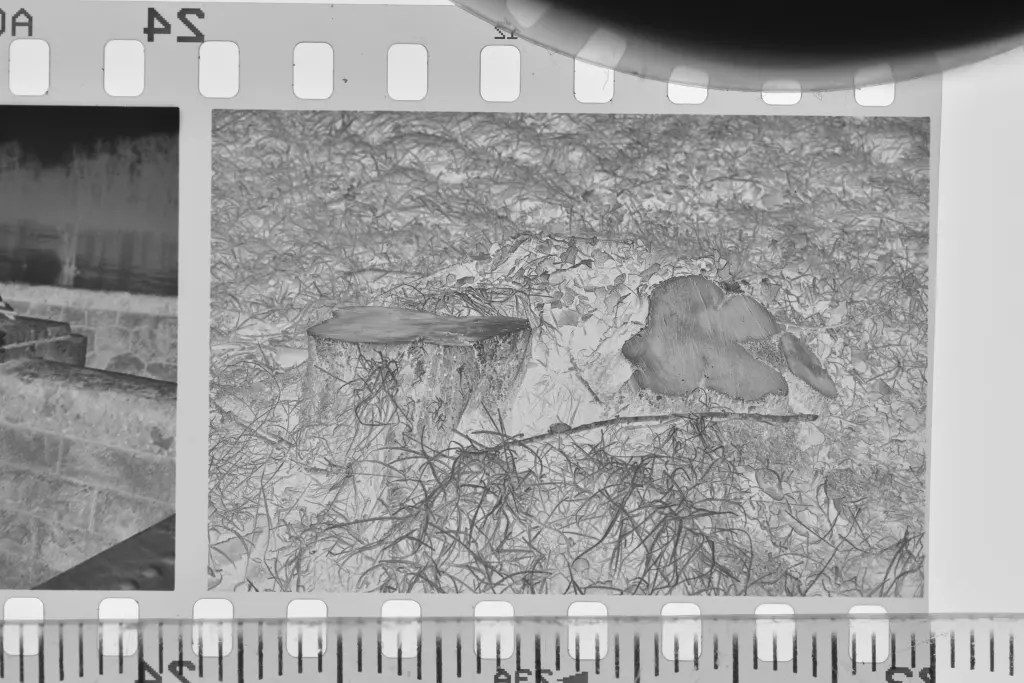

| Agfa APX 100 (100 ISO) | Ilfosol 3 |
| Format: | 35mm |
| Exposed at: | 100 ISO |
| Developer dilution: | 1+9 |
| Development time: | 6 minutes 30 seconds |
| Temperature: | 20°C |
| Agitation: | Agitation for 30 seconds, then 10 seconds every minute |

Agfa APX 100 Is Rebranded Kentmere 100
This comparison (https://pirate-photo.fr/pages/viewpage.php?p=245) strongly suggests that Agfa APX 100 is simply rebranded Kentmere 100. The conclusions drawn here therefore also apply to Kentmere 100.
Tabular Grain Film
Tabular grain films require precise exposure in order to achieve optimal results. This is once again confirmed here.
Overexposure
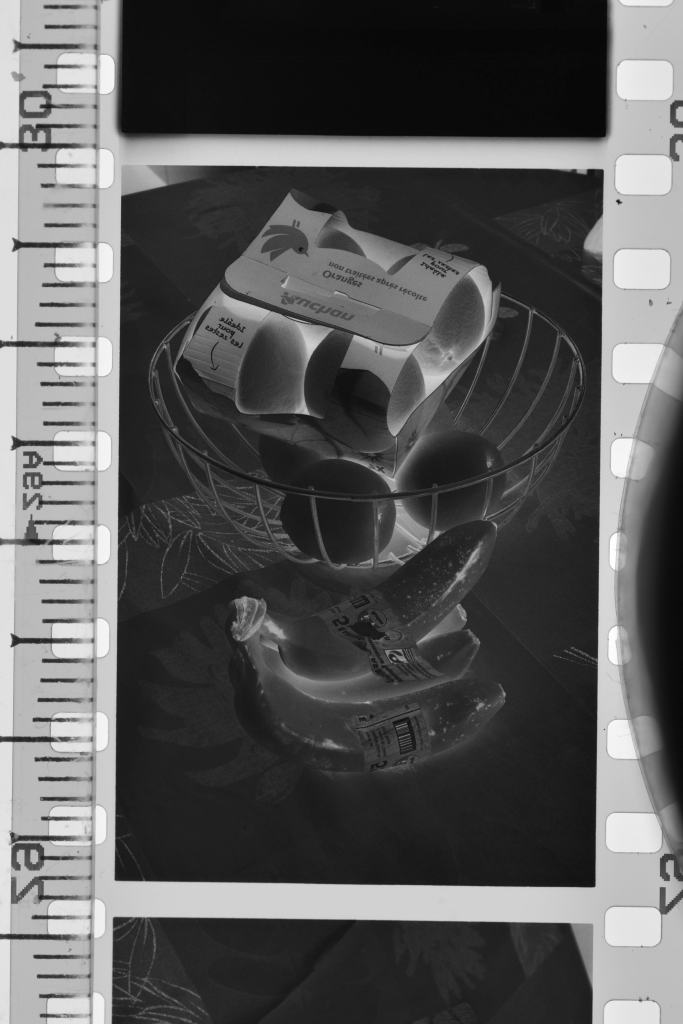
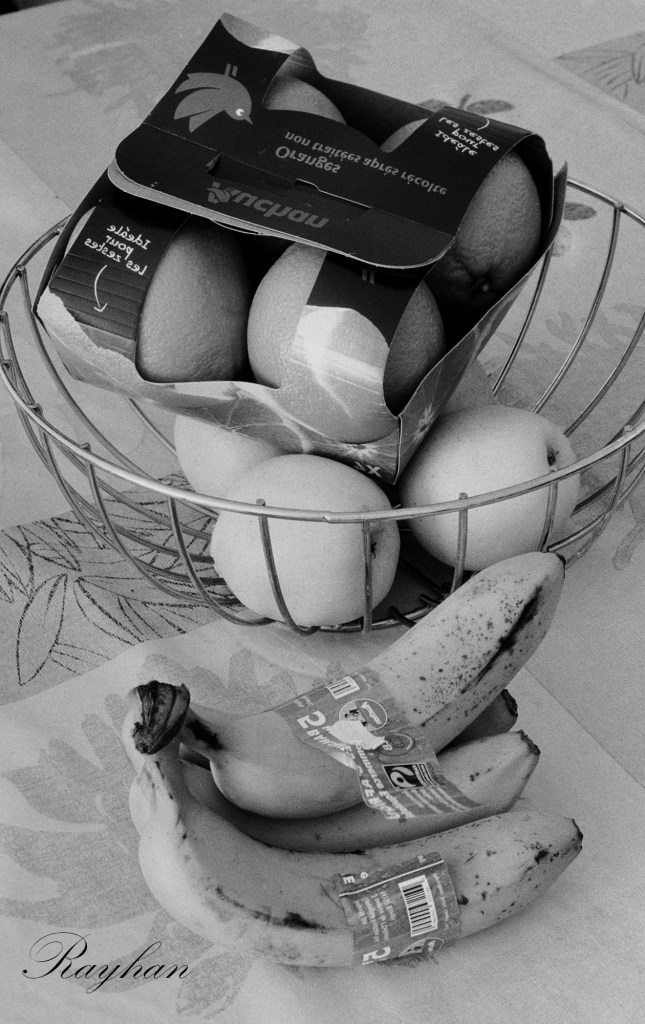
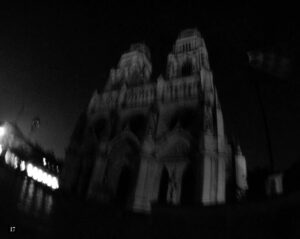
An overly dense and overexposed negative like this produces a flat image lacking depth and character.
Otherwise, object edges are rendered clearly, and acutance is fairly good.
Underexposure
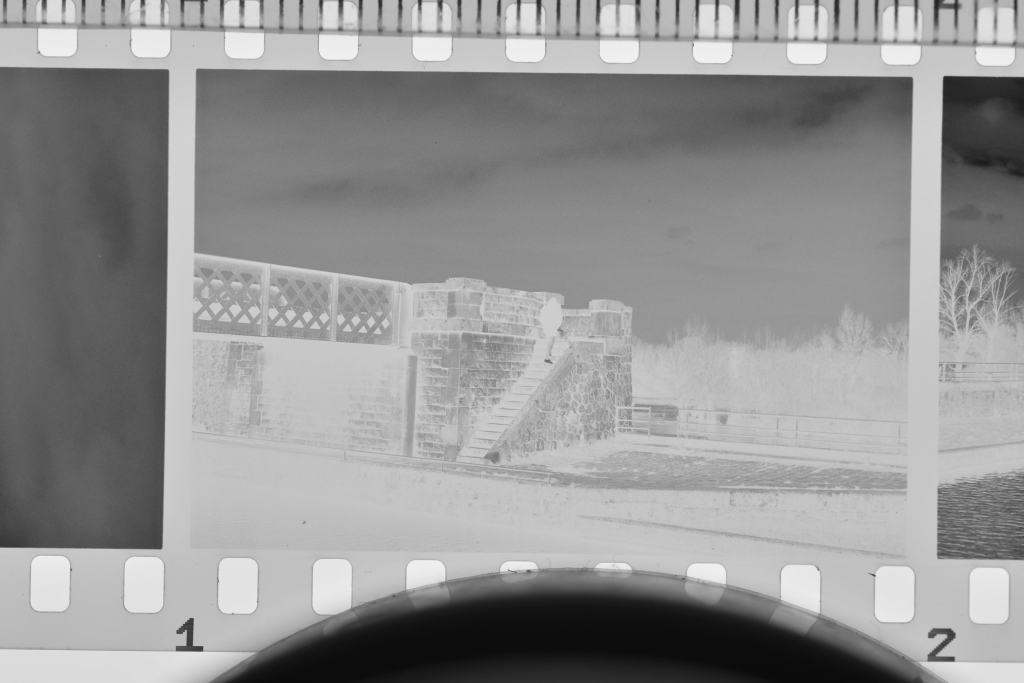

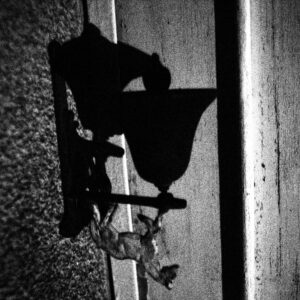
A thin and underexposed negative performs slightly better, although the result is still not ideal and it remains difficult to remove the “dull” appearance caused by underexposure.
Correctly Exposed
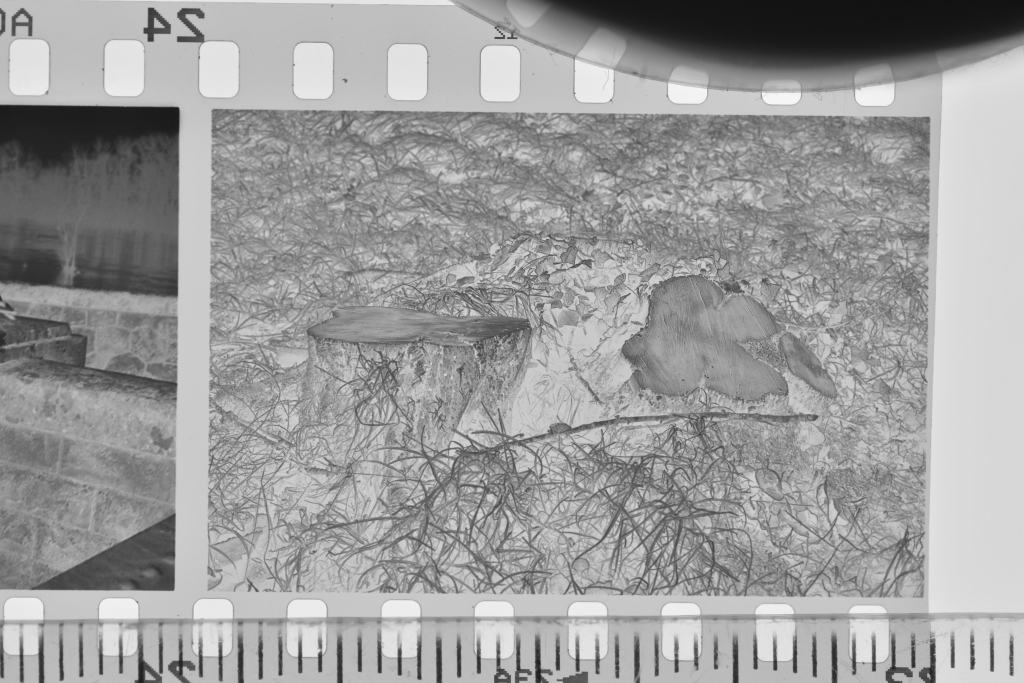
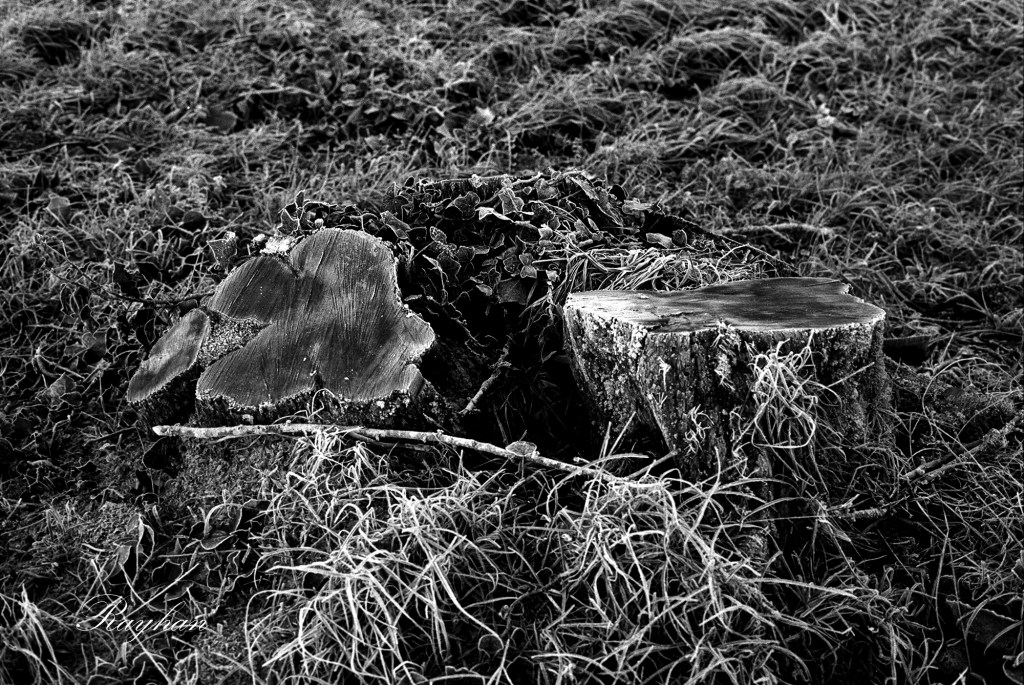
The grain is fine, although to my taste the overall rendering lacks bite and sharpness.
It is not a soft, melancholic rendering; rather, it feels weak in tonal depth while remaining precise around edges.
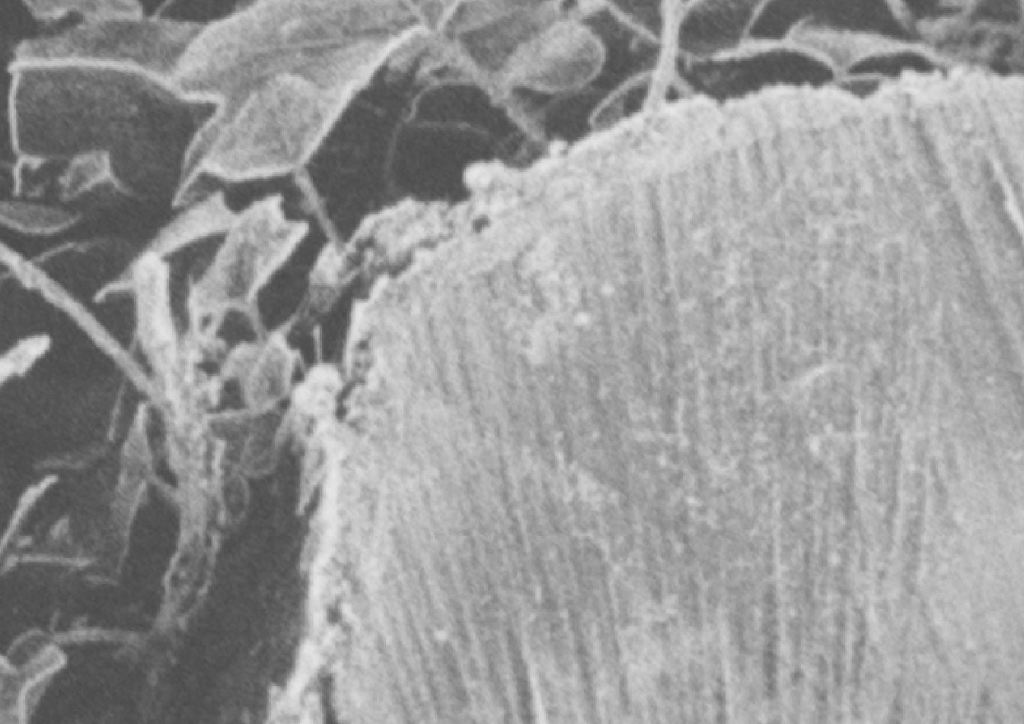
Enlargement of the previous image.
Conclusions
I am not satisfied with the tonal rendering produced by this developer.
The Ilford Kentmere 100 or Agfa APX 100 (which are the same film sold under different names) also quickly shows its limits when exposure is imperfect or when scene contrast becomes too strong.
Like all other tabular grain films, it requires precision both during exposure and development in order to produce strong images.







Leave a Reply