


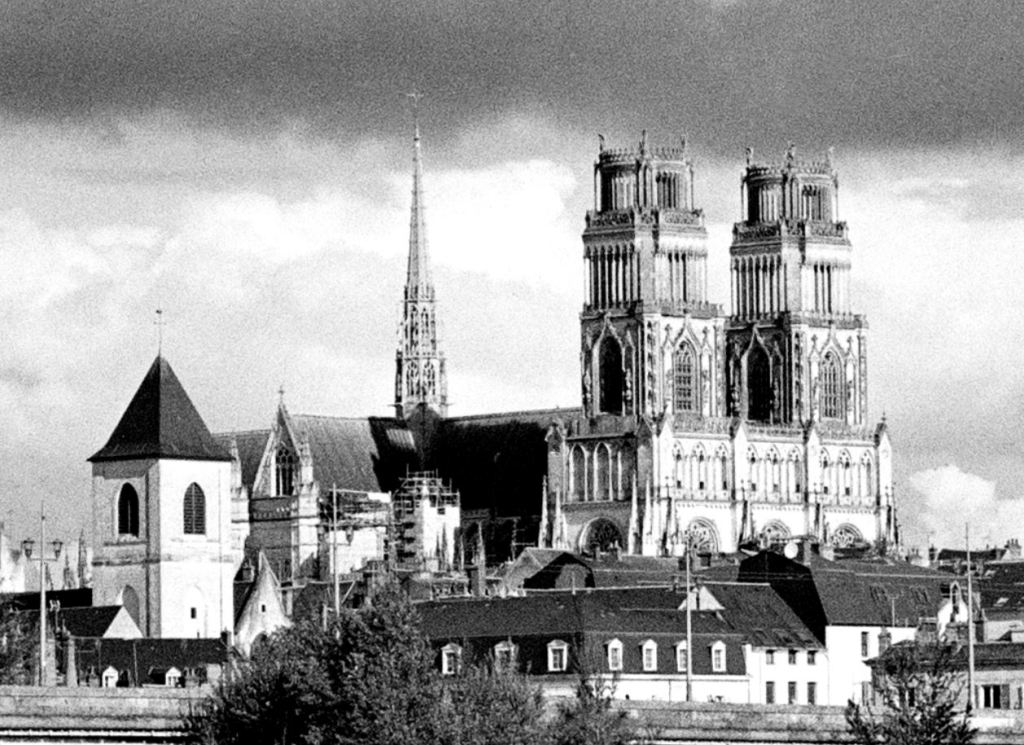
| Ilford Delta (100 ISO) | Ilford ID-11 |
| Format: | 120 |
| Exposed at: | 200 ISO |
| Developer dilution: | 1+1 |
| Development time: | 10 minutes |
| Temperature: | 20°C |
| Agitation: | 8 inversions, then 4 inversions every minute |
Ilford ID-11
This fine-grain (solvent) developer is considered a reliable classic. Ilford describes it as “a developer designed for all film types where fine grain negatives are required without loss of film speed”.
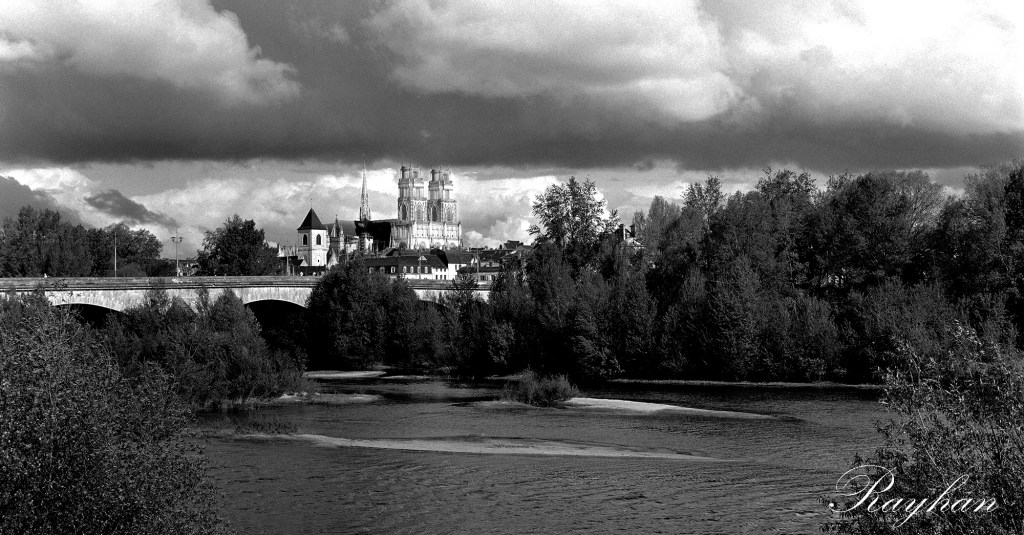
Balanced Tonality
The tonal rendering is good, even though exposing the film at 200 ISO can produce somewhat flat negatives. Fortunately, this can still be corrected quite well in post-processing. Highlights retain a fair amount of detail, with skies showing texture instead of becoming completely white.

However, the same cannot always be said for the shadows, where it is easy to lose fine detail. This is a recurring weakness of Delta 400 regardless of the developer used.
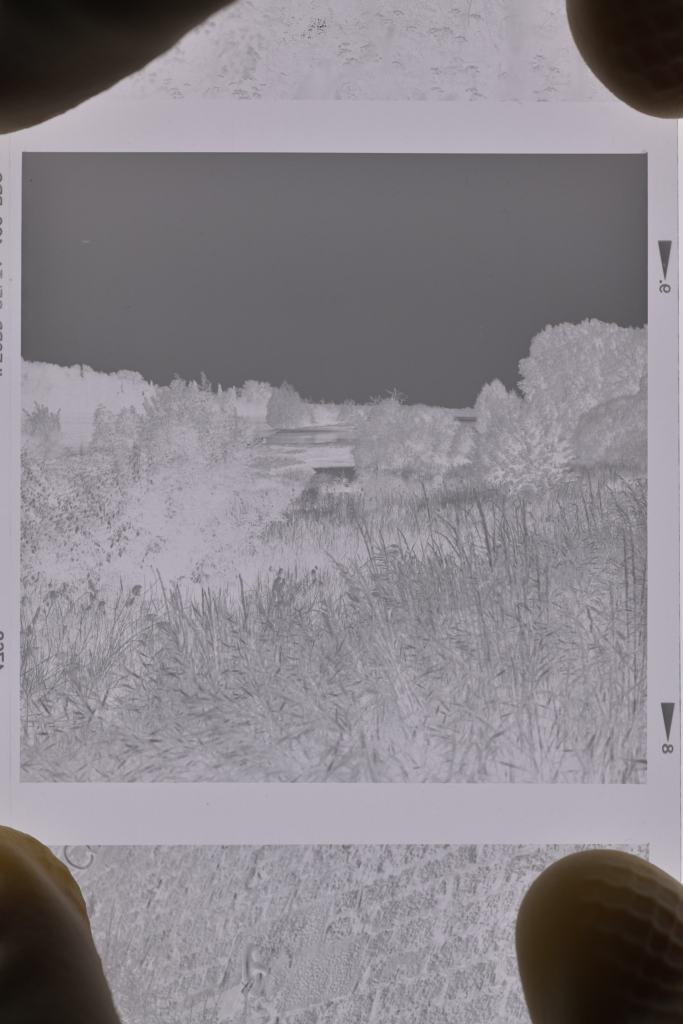
As you can see on the left side of the image, it is very easy to end up with fully transparent shadow areas lacking any recoverable detail.
Delta 400 demands very accurate exposure.
If you need more latitude and flexibility, a traditional grain film such as HP5+ may be a better choice.
Excellent Acutance and Fine Grain
Despite being a fine-grain developer, the perceived acutance is excellent. Grain remains very subtle on medium format and should also stay relatively discreet in 35mm.
Better Than FX-39 II
Compared to the Adox FX-39 developer that I previously used with this film, I find the tonal rendering significantly richer and more pleasing.











Leave a Reply