


| Ilford Delta (100 ISO) | Ilford ID-11 |
| Format: | 120 |
| Exposed at: | 400 ISO |
| Developer dilution: | 1+3 |
| Development time: | 18 minutes |
| Temperature: | 20°C |
| Agitation: | 8 inversions, then 4 inversions every minute |
A 1+3 Dilution
How does Delta 400 perform at night, and are there any noticeable differences between a 1+3 dilution and 1+1?

Improved Tonality
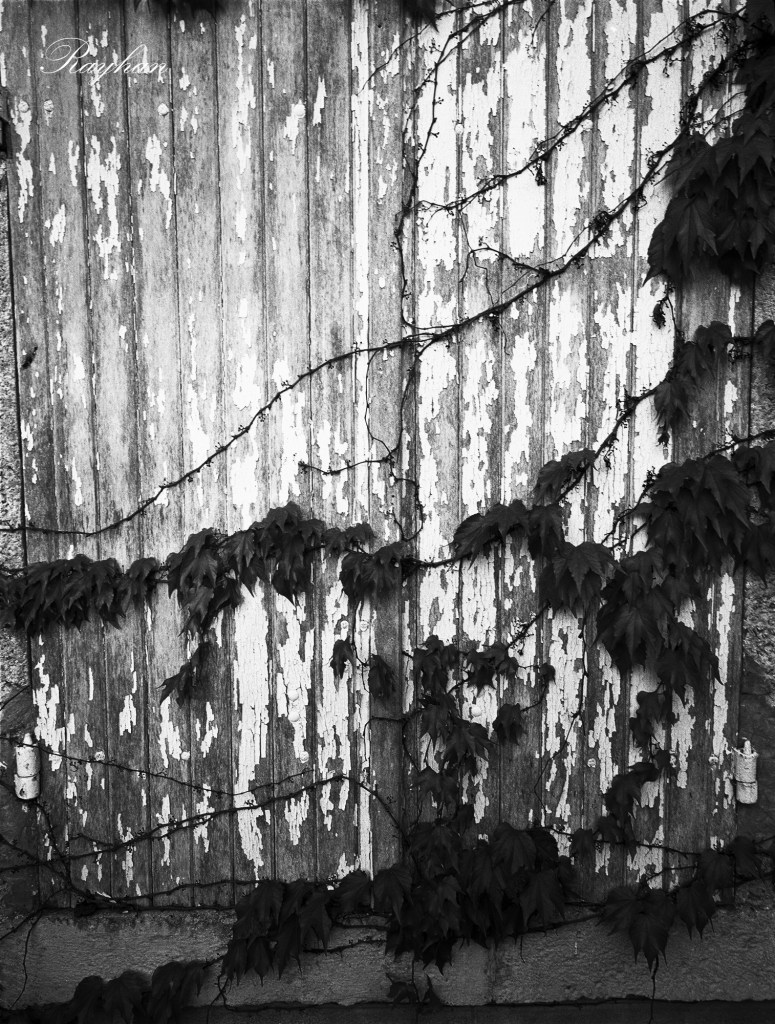
For images shot under the same sunny conditions, I found the negatives developed at 1+3 noticeably easier to work with during post-processing.
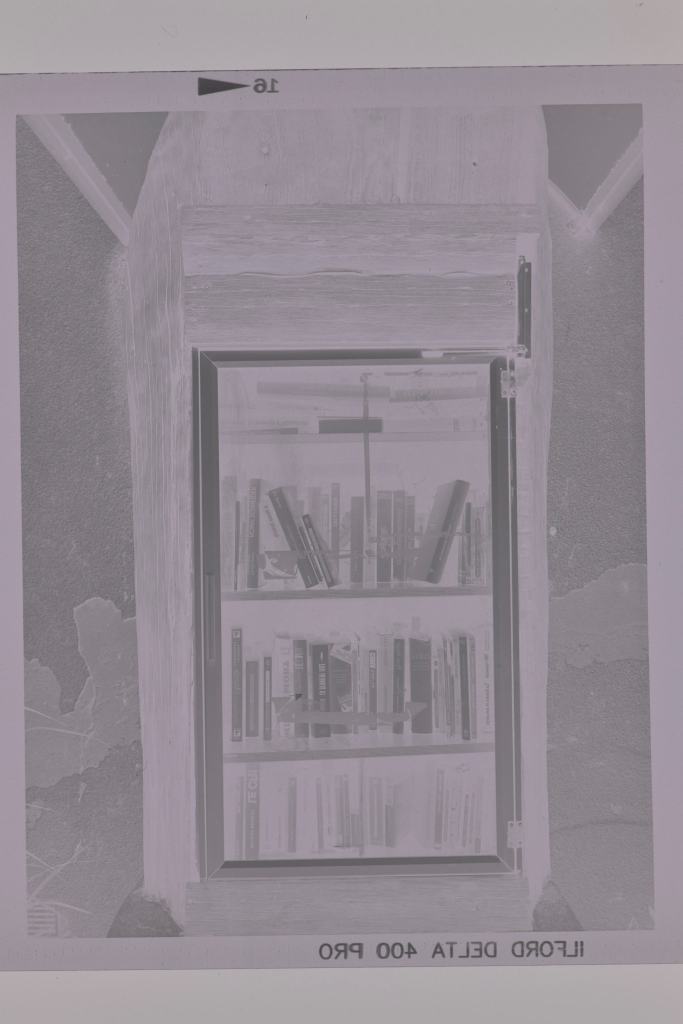
As for shadow detail, it seems that the higher dilution combined with the longer development time helped recover more information compared to a 1+1 dilution.
That said, the result is still not perfect.
Good Acutance and Fine Grain
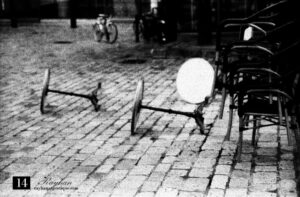
Details and textures are rendered very nicely.
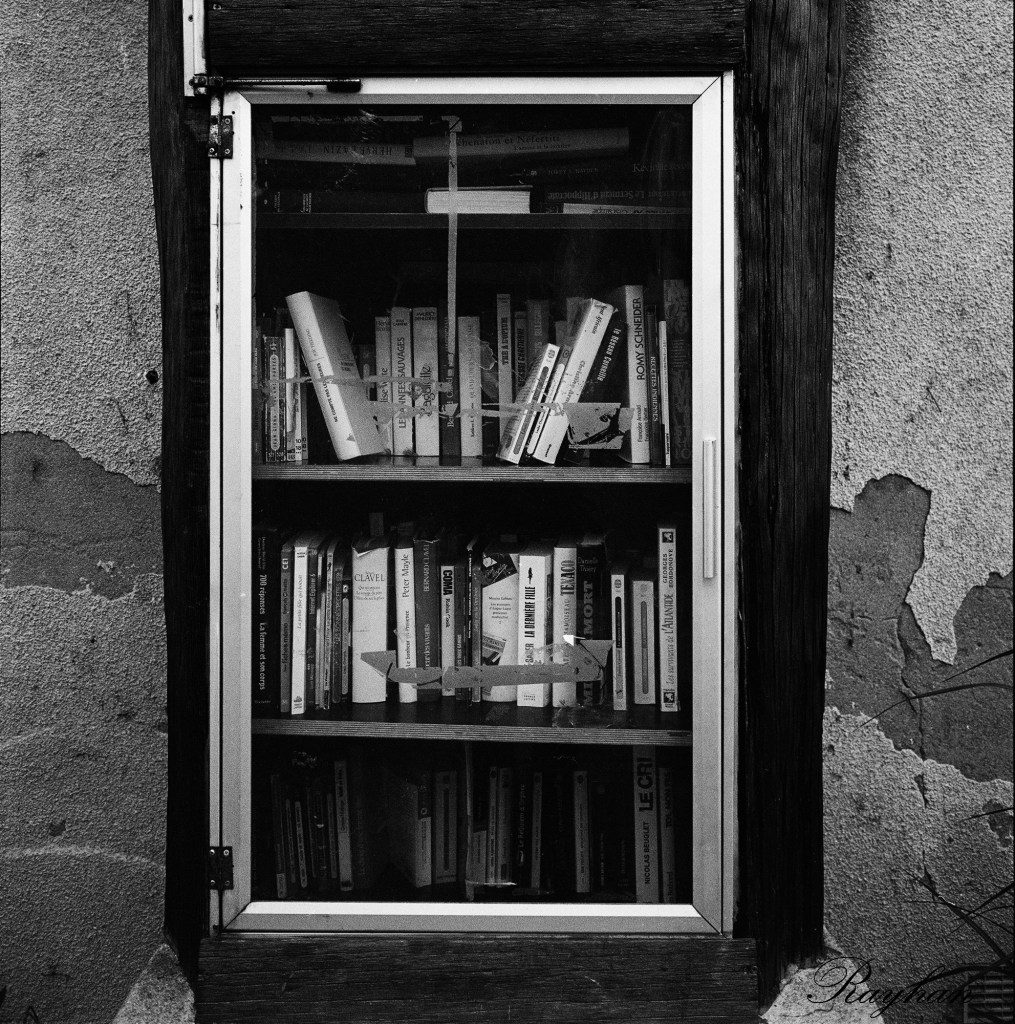
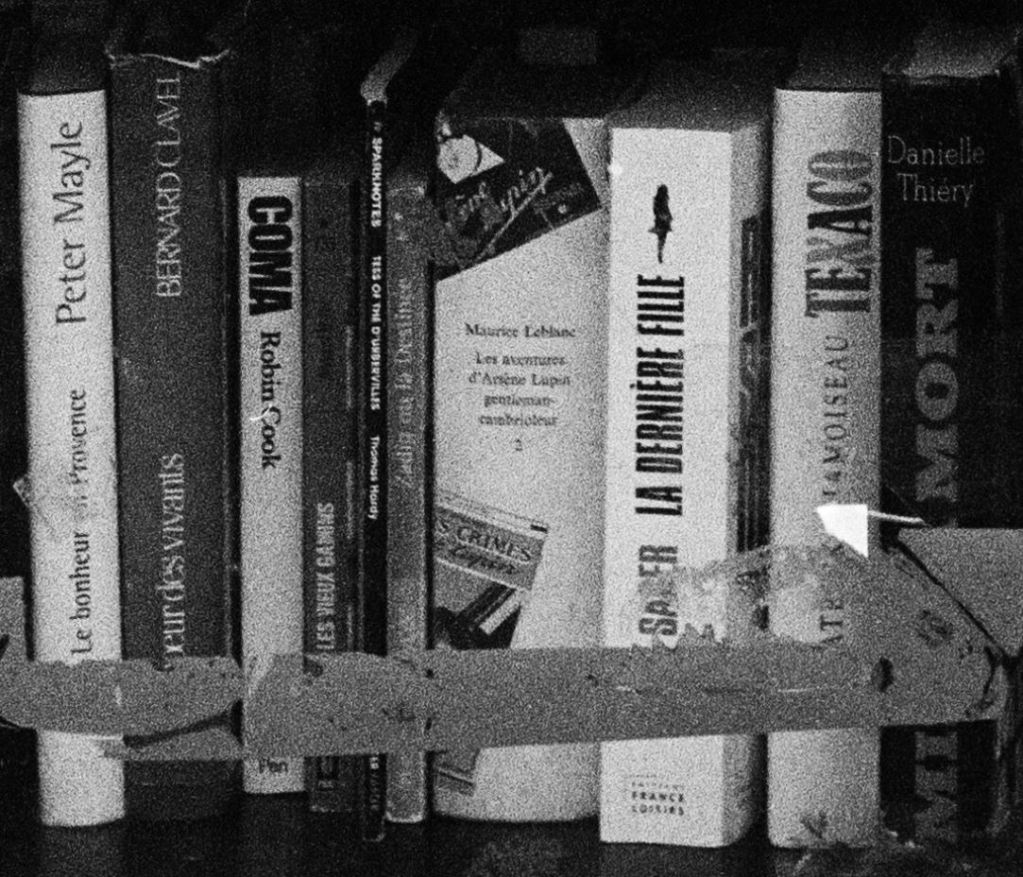
The grain is slightly more visible and may give the images a rougher or more nervous character, even though it remains relatively fine overall.
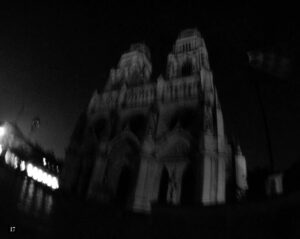
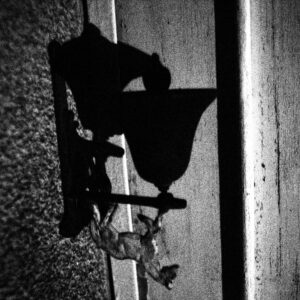
Strong Night Photography Results
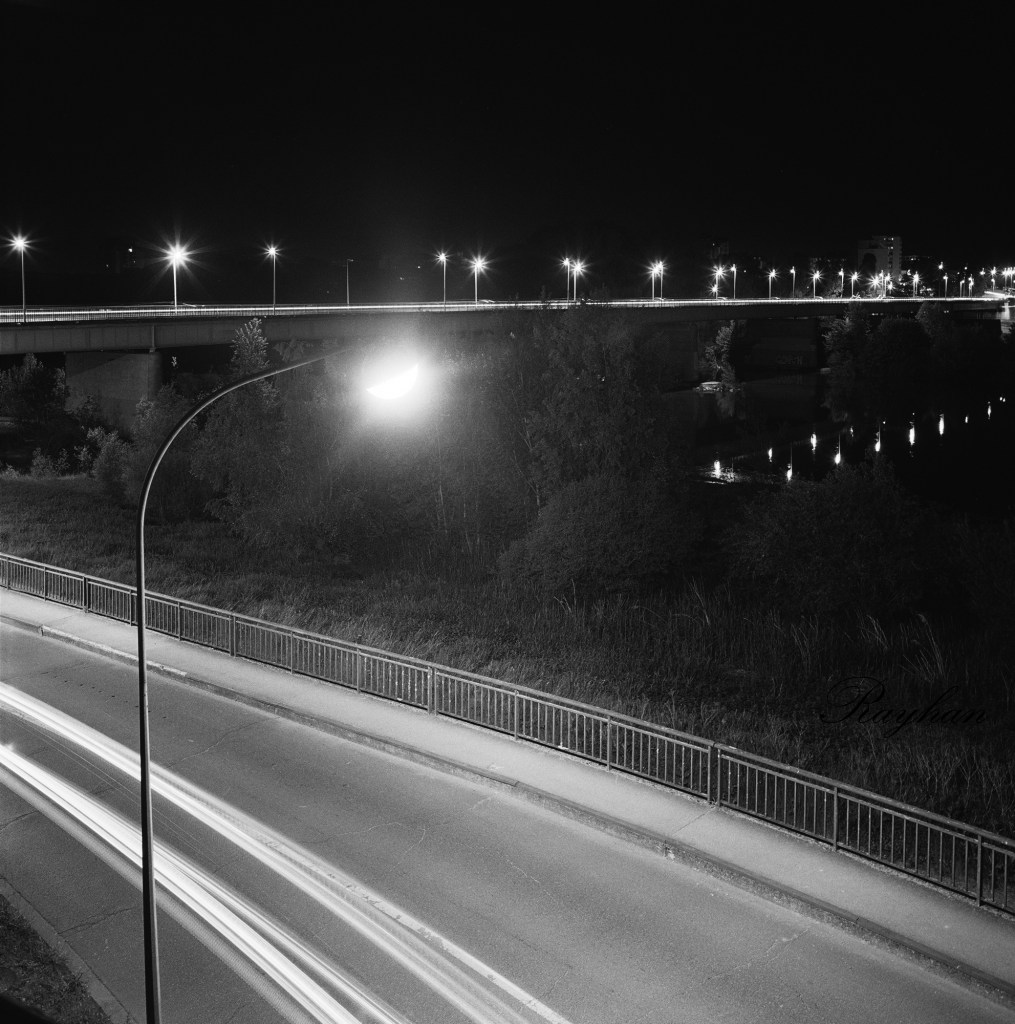
Night photography tends to hide the recurring weakness of tabular grain films, namely the lack of detail in deep shadows.
This becomes less problematic because fully black areas appear more natural in night photography than they would in daylight scenes.





Leave a Reply