

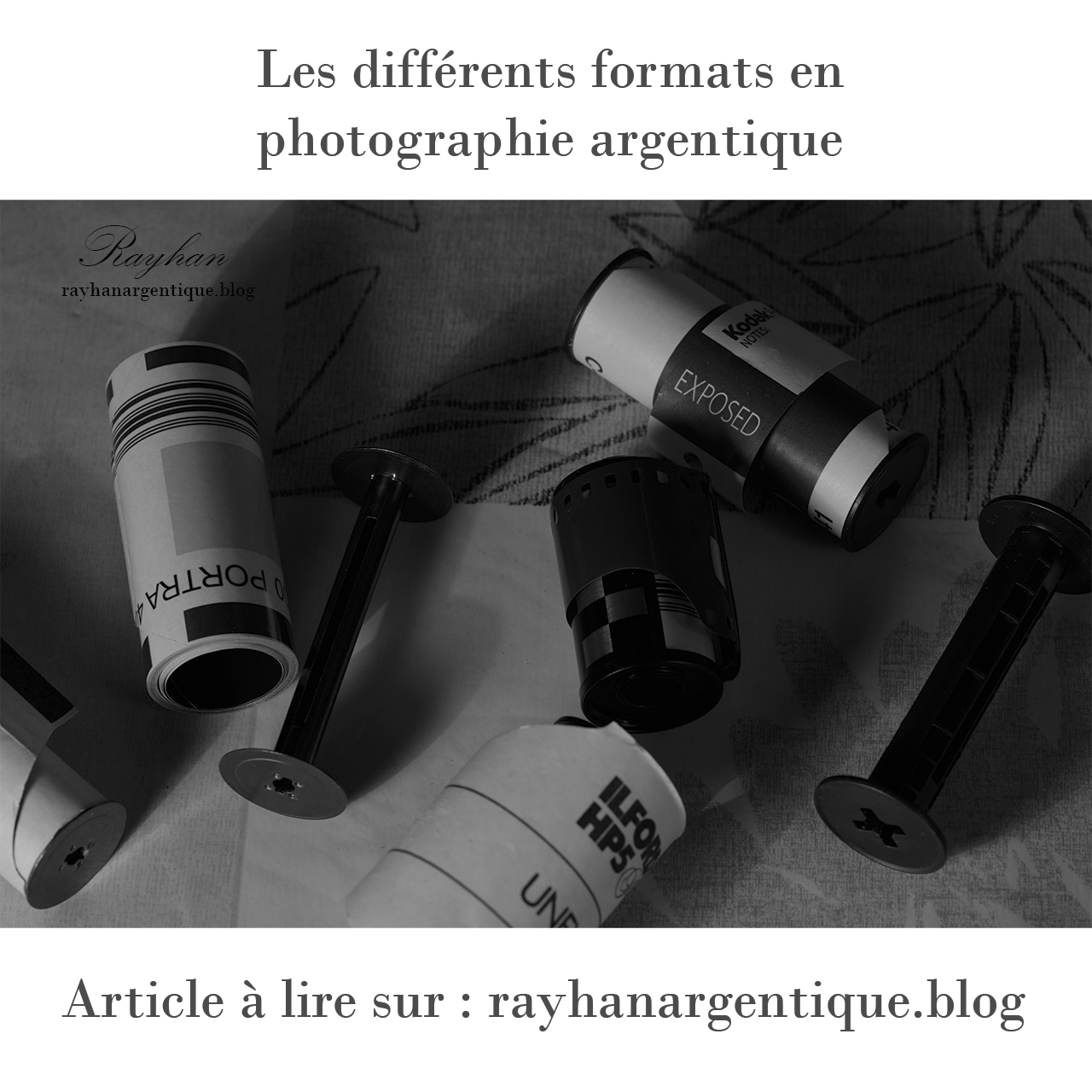

There are a multitude of formats in film photography with different sizes of sensitive surface and modes of operation. Many formats are no longer produced today.
Film formats still in production
In order to use a film camera, the film format it requires must still be available. Below is a list of formats that are still in production:
The most commonly used formats are 35mm and 120
Still produced today, these two formats are the most widely used.
35mm
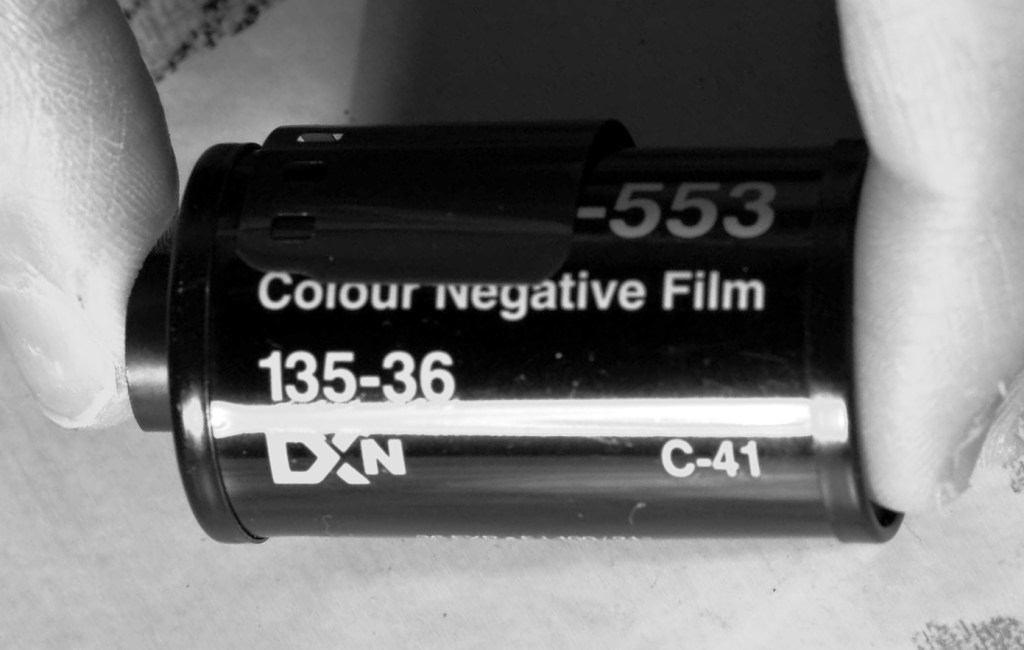
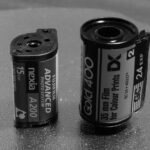
The 35-millimeter film is enclosed in a cartridge. It can be rewound and reused later (although in practice this is rarely done).
120 Format
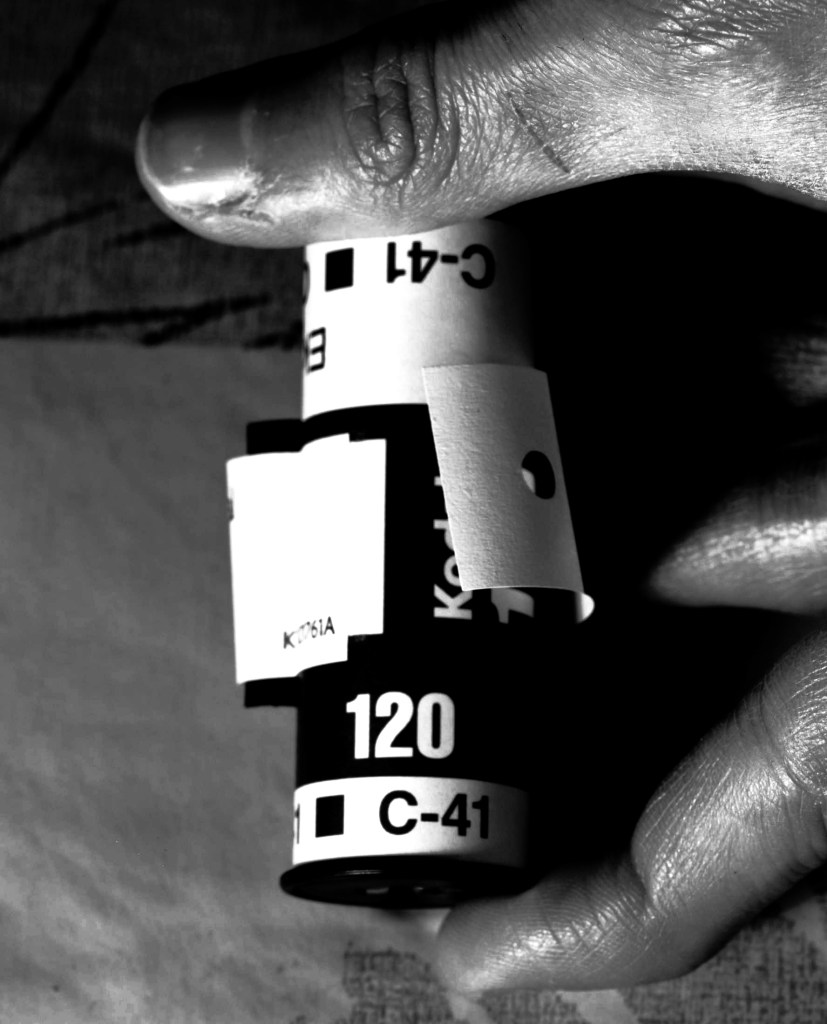
The 120 format is not encapsulated; the film is wound directly onto a spool and protected from light by a protective paper strip.
It is not possible to rewind 120 format film. Once exposed, it is recovered on another spool.
Unlike 35mm film, which has a surface area at least three times smaller, 120 film has a resolution that allows it to compete with recent digital cameras in this aspect.
Large Format
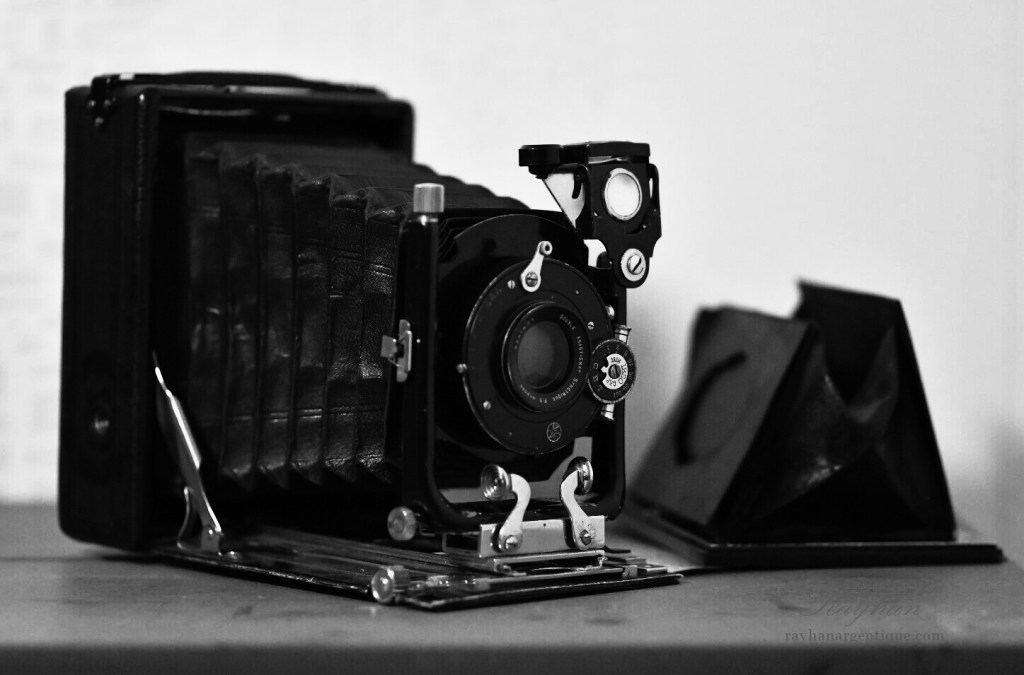
The film sheet is placed in a frame that is positioned behind the lens. The images are developed one by one. They come in different sizes – 4×5, 5×7, 8×10 inches.
You can find old and new cameras that use plates, but be aware that the 6.5x9cm format is no longer produced.
The resolution offered by sheet film surpasses that of digital cameras manufactured today, which may make it a relevant choice from a technical standpoint.
110 Format
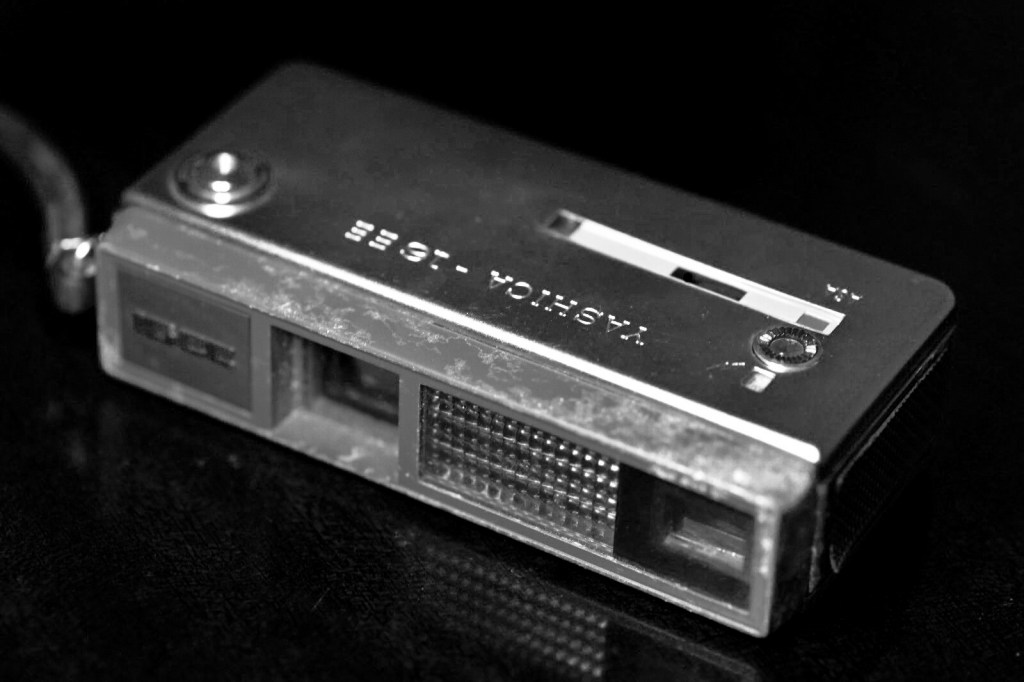
This marginal format is still available for sale. It has an image area half the size of 35mm and is intended for amateur photographers who want maximum simplicity.
Some manufacturers such as lomo keep producing camera using this format.
127 Format
A smaller version of the 120 format. It is still available for purchase. Like the 110 format, it is not widely used, so the price is (at least) twice as high as for the 120 format.
Notable formats that have disappeared
620 Format
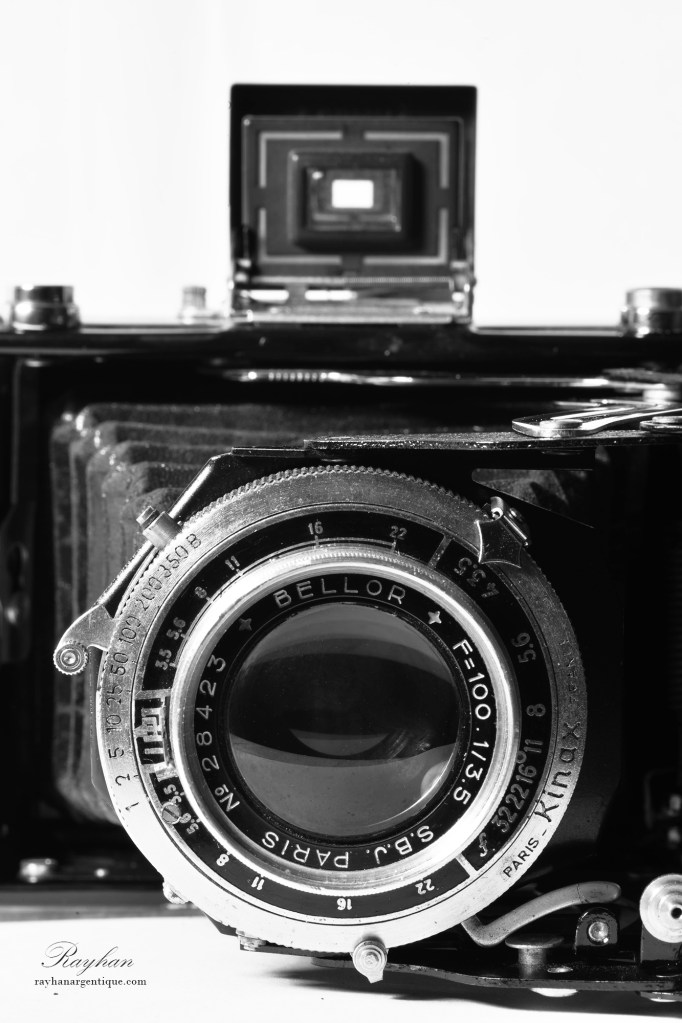
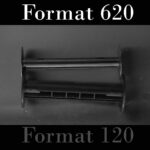
This is the 120 format, but with a thinner reel. It is possible to transfer a roll from a 120 format shaft to a 620 format shaft.
You can find a tutorial on how to convert a 120 roll to a 620 roll on this website.
220 Format
The 220 format is the 120 format without protective paper (there is only protective paper at the beginning and end of the roll). It is no longer produced today.
While it is still possible to use 120 film with a camera or back designed for the 220 format, this is not recommended as it can cause the film to become warped and damage the film advance mechanism.
126 and Disc Format
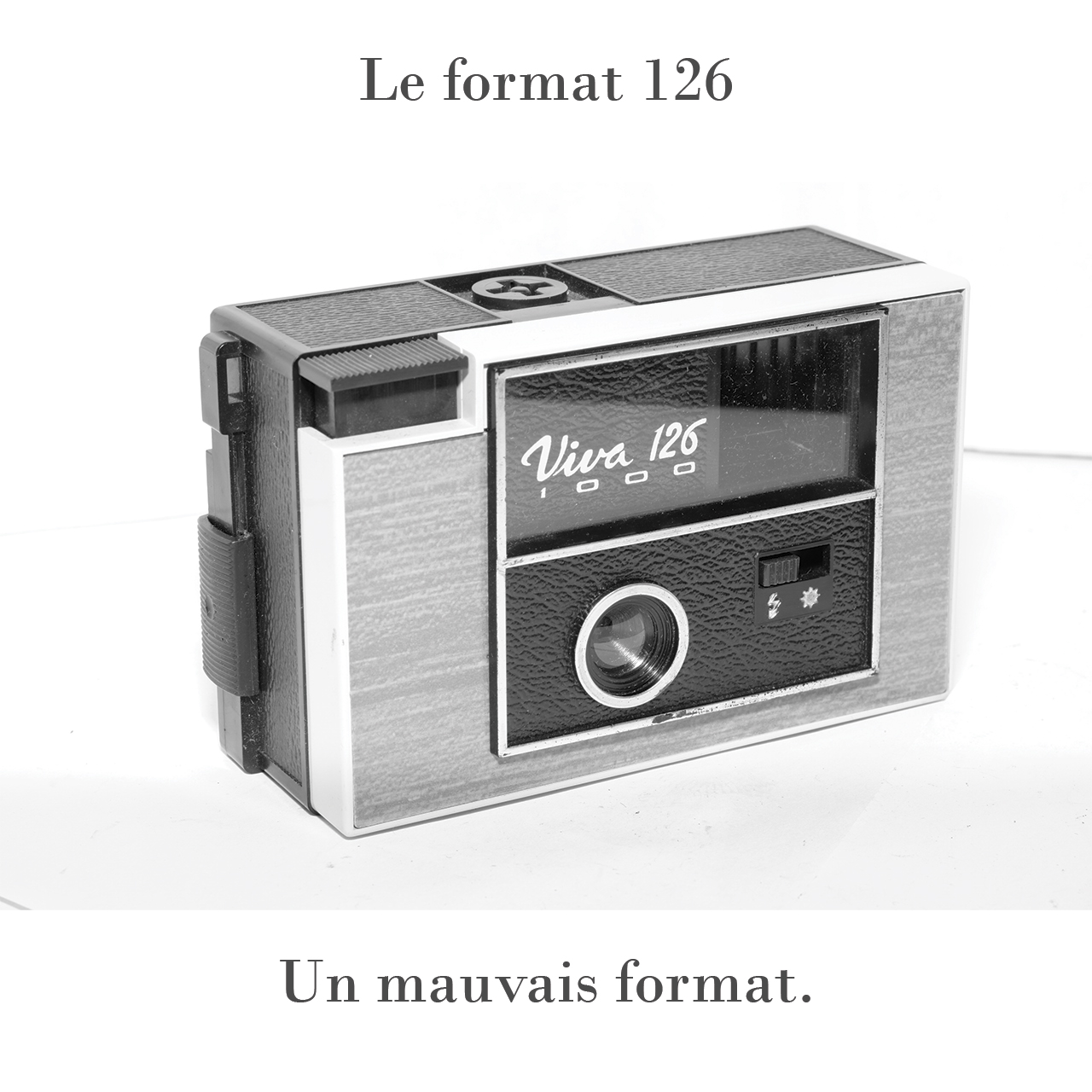
These formats are similar to 110 (intended for amateurs, with a smaller sensitive surface than 35mm).
The best-known camera using the 126 format is the Kodak Instamatic. There is a technique for converting a 35mm roll of film into 126 format.
APS Format
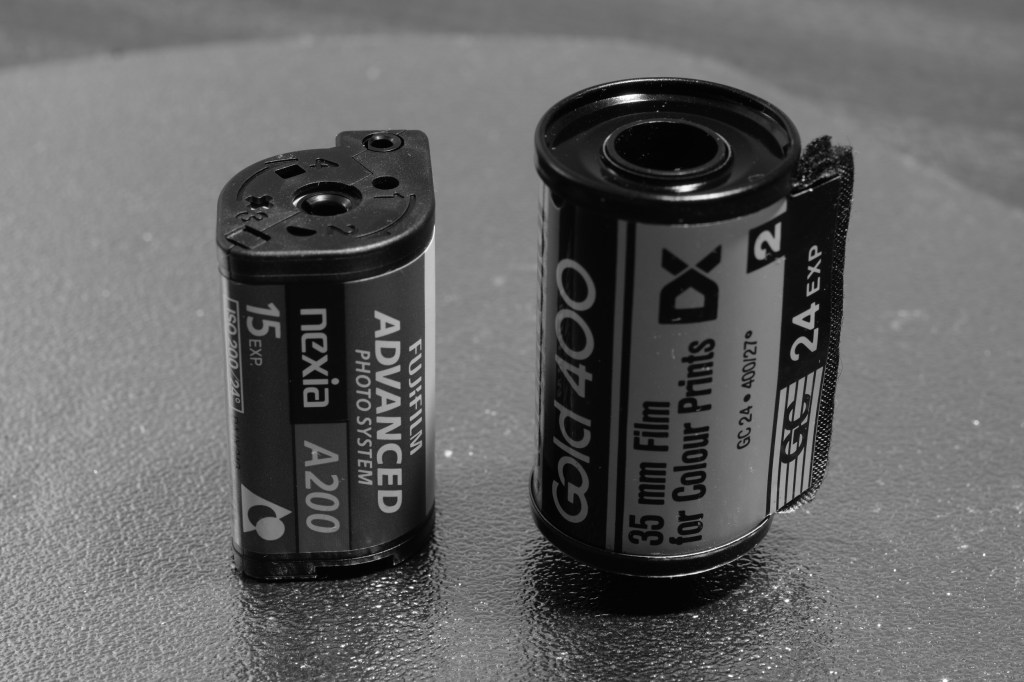
The APS format is the ultimate development of the “press the button, we’ll take care of the rest” philosophy that was Kodak’s slogan.
A number of cameras using this format can be found second-hand. But they can’t be used because APS film is no longer produced.
There is a lot of obsolete formats
Other formats such as 117 or 828, among others, are also no longer produced. However, devices that use them are practically impossible to find. It is therefore not relevant to mention them here.








Leave a Reply