

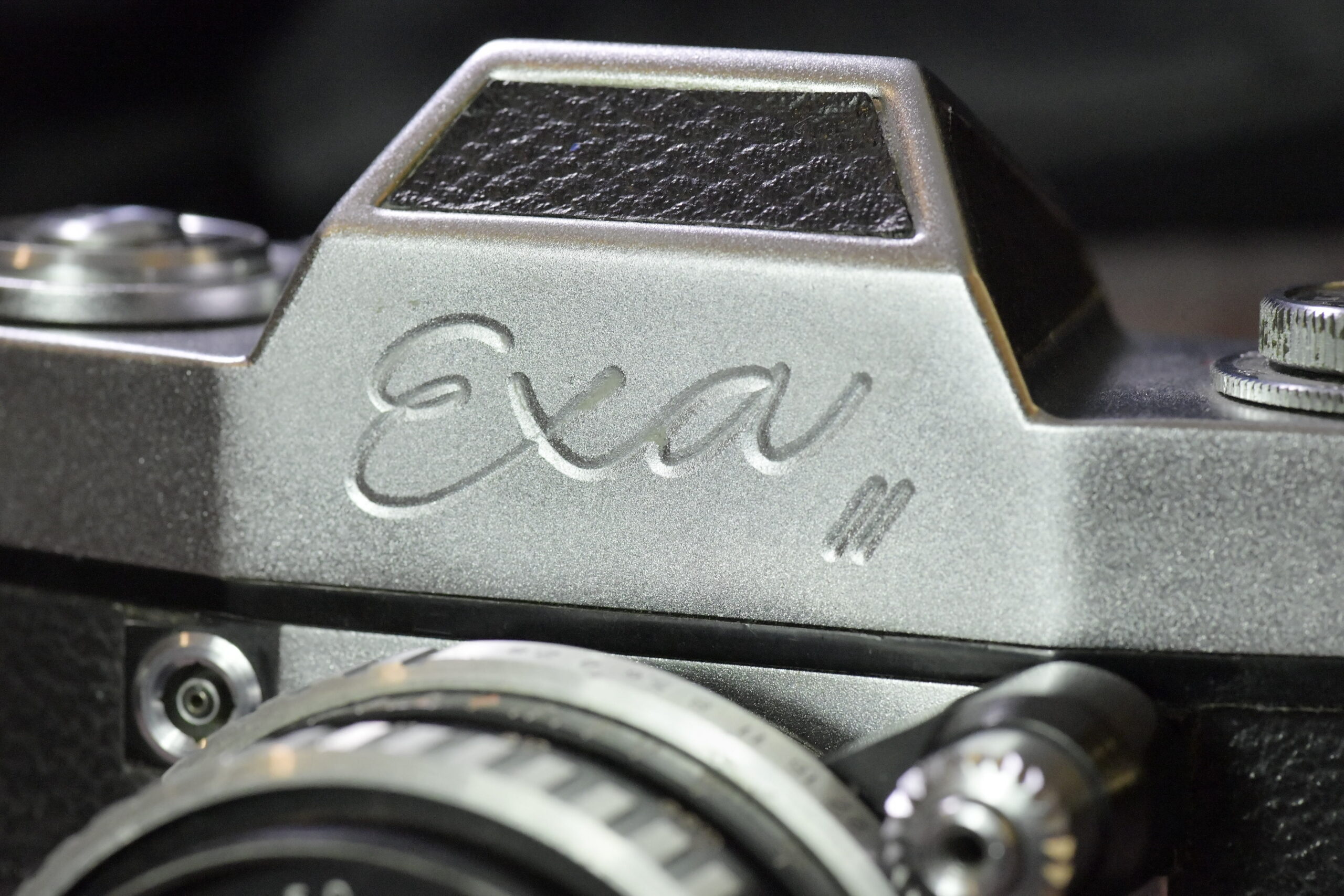

A brief presentation of the Exa II

Ihagee
hagee is the first brand to have mass-produced 35mm reflex with the Kine Exakta in 1936.
The Exa series was later as a more affordable alternative to the Exakta line- simpler, cheaper, and with fewer features.
The Exa II produced from 1960 to 1963 use the same mount as the Kine Exakata. This detail that will prove important later on.
A Very Basic Camera
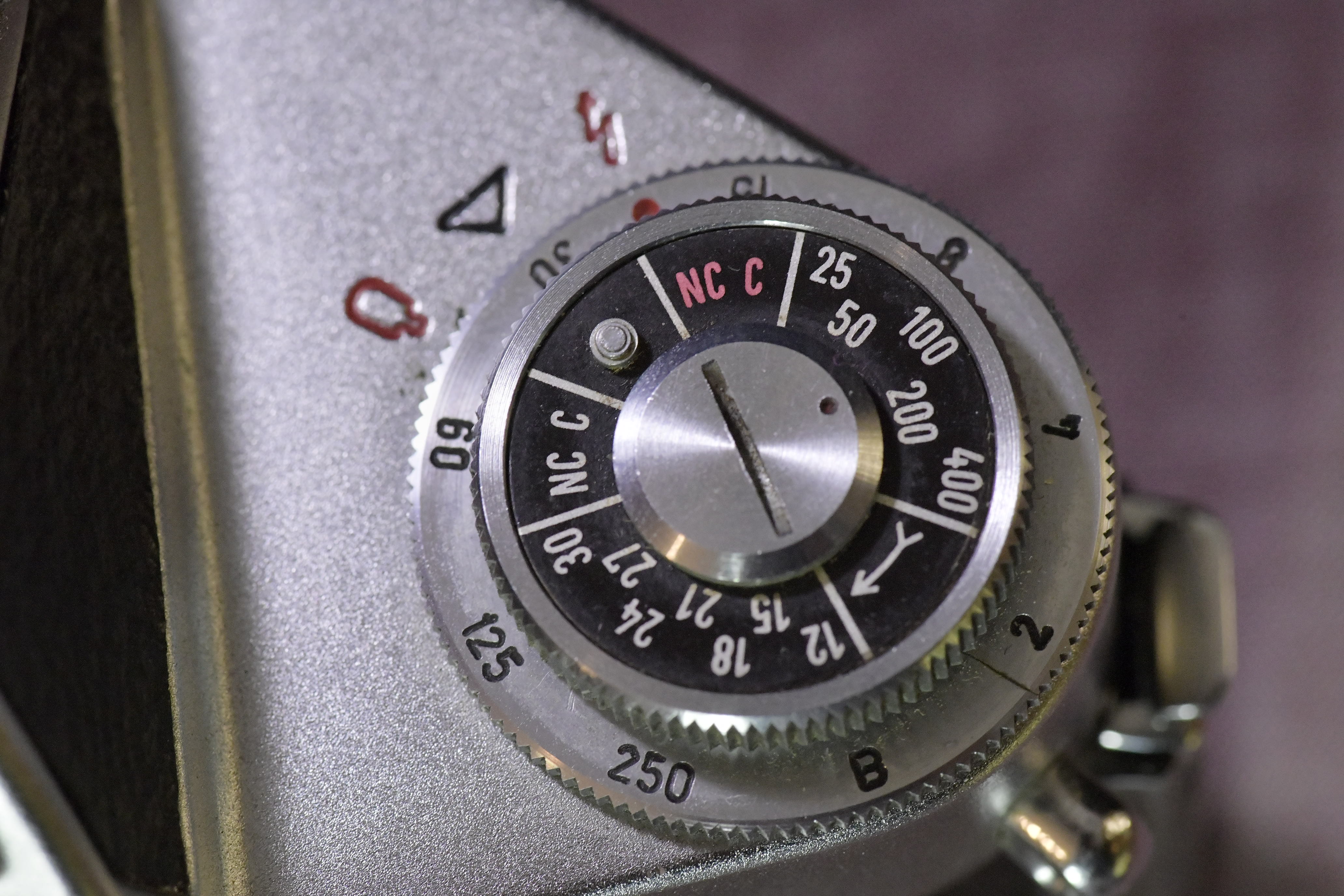
The maximum shutter speed is only 1/250s.
There is no built-in lightmeter either. You must use an external meter or the sunny 16 rule.
One unusual feature of the camera is its vertical silk curtains shutter :
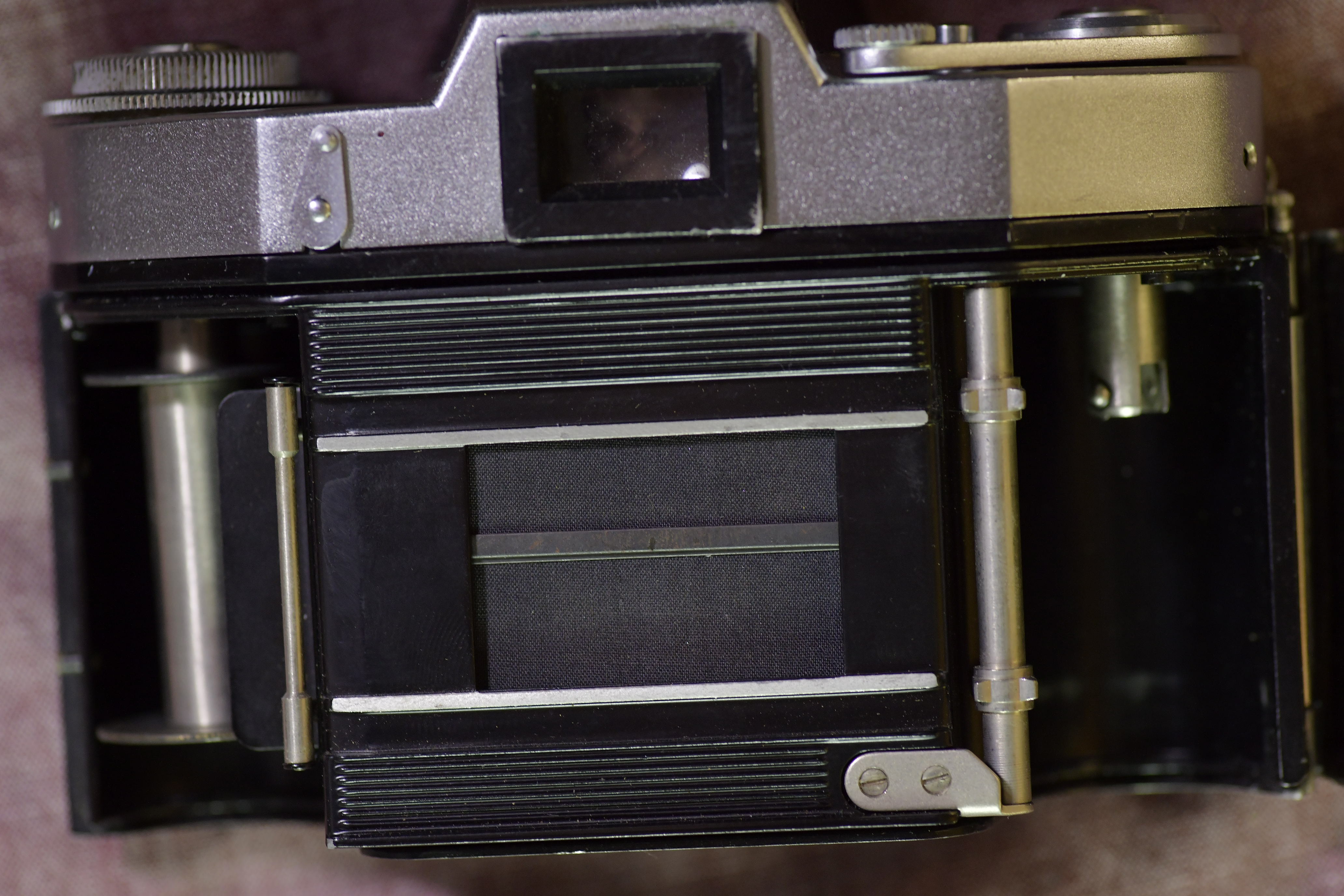
On my camera, shutter grease has solidified, which make the shutter inoperative (the first curtain is moving very slowly). It seems to be a common issue with these old cameras.
A peculiar shape
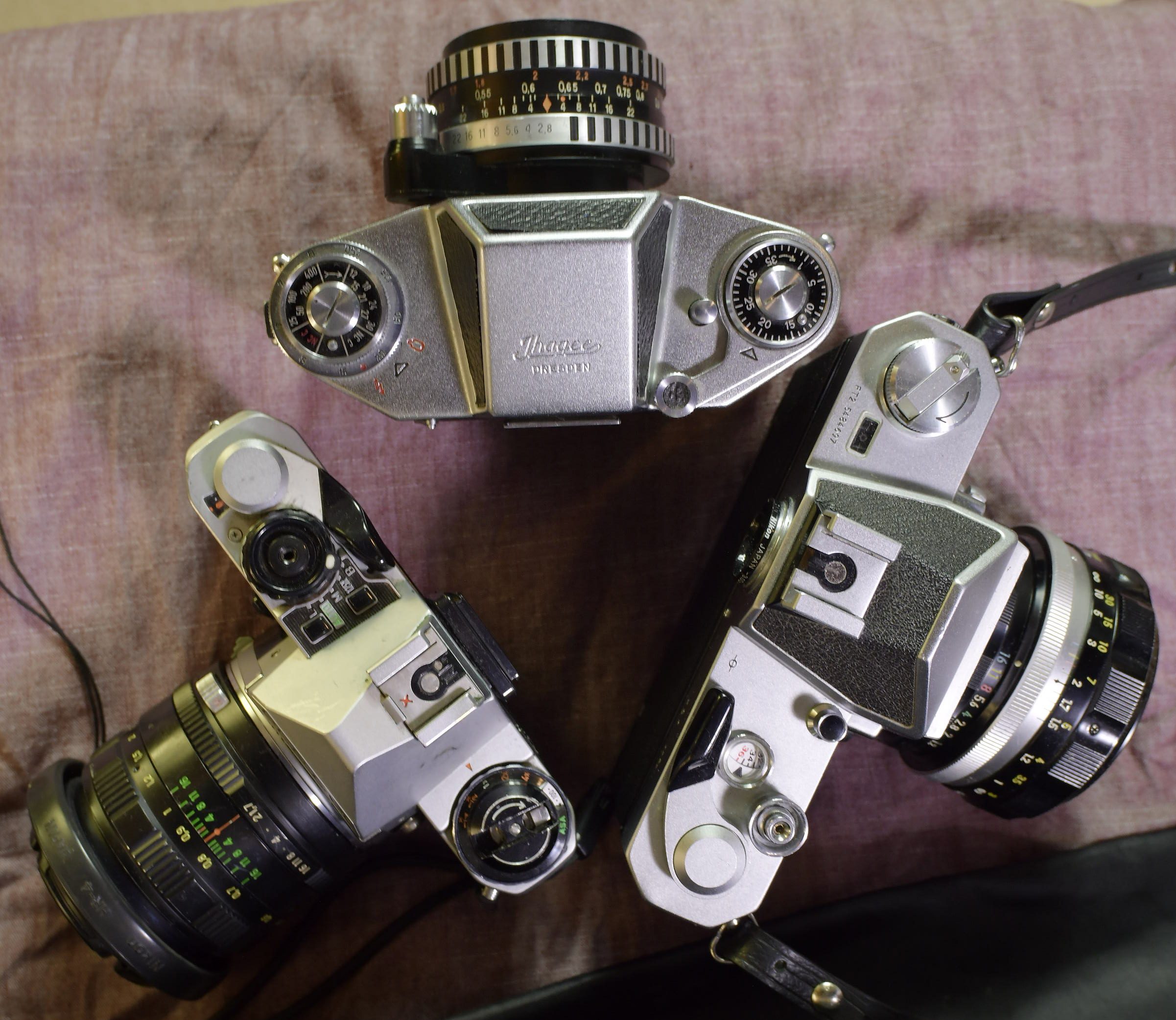
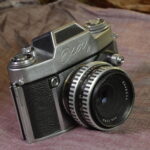
The Exa II has a squat shape. The camera is thicker and shorter than most of the 35mm analog SLRs.
It weighs 850 grams with its lens. It’s less than a Nikon FT2, but because of the dense and tight chassis, it feels heavier while holding it.
Camera’s shape is also angular, raw. The Exa II has been designed to be simple to produce, affordable, and functional.
Aside from the shutter grease issue, the camera is robust and well-built.
Catastrophic Ergonomics
How a vintage SLR camera using a prism finder is normally held
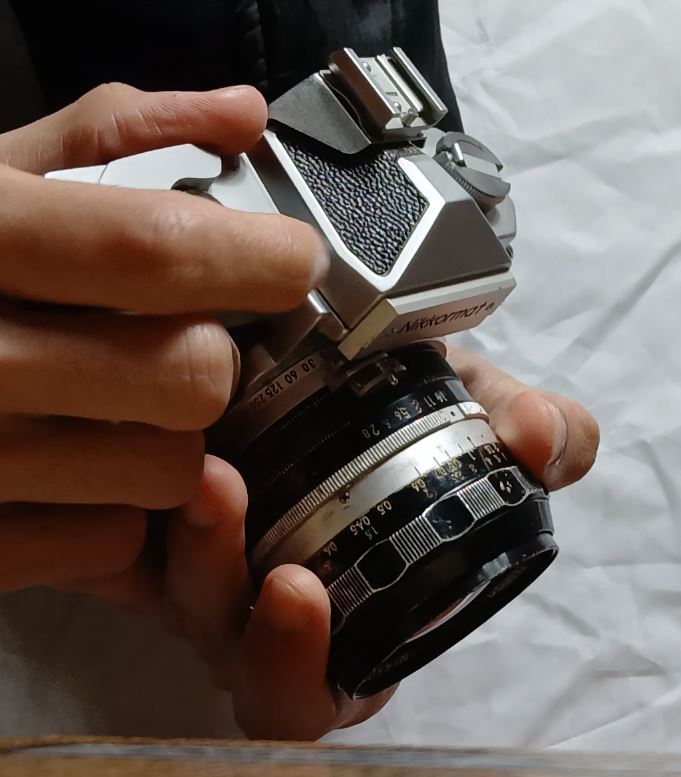
Most of 35mm reflex are carried the same way : right hand grips the right side of the camera. The index finger is on the shutter button to take a picture and the thumb advance the film and change shutter speed.
The left hand is placed under the camera and we use out fingers to focus and change the aperture.
It’s ergonomic, stable and intuitive.
The Exa II’s Grip Problem
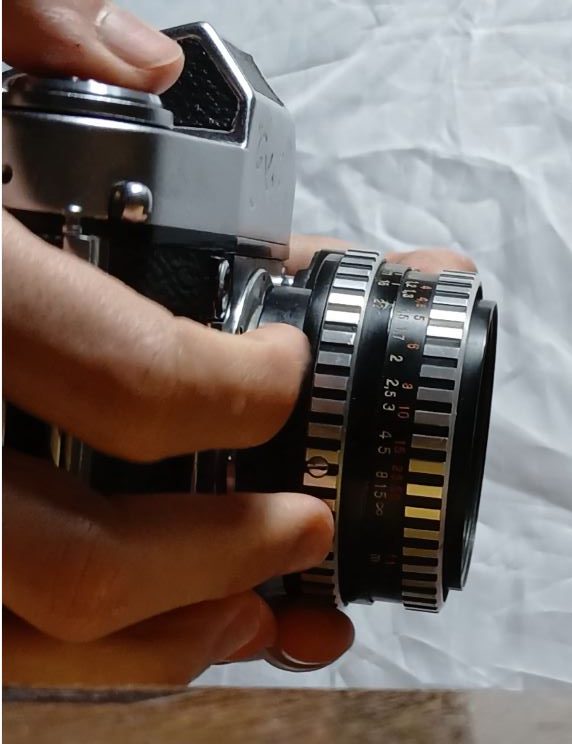
The Exa II doesn’t allow you to place your left hand under the camera. In addition to have your fingers from both hands touching themselves, it is difficult to press the shutter button in this position.
If you take a picture in this position, you will surely get motion blur.
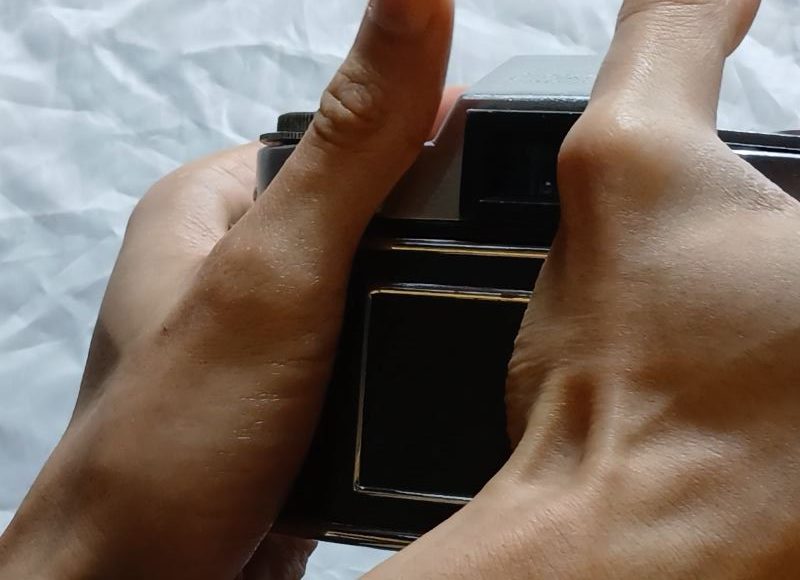
So, we are forced to clamp our tiny 850 grams block between both hands. Which is rapidly exhausting.
A Typical Shooting Sequence with the Exa II
We advance the film with the right thumb (everything’s fine so far).
We use our left hand to focus. We move our left fingers on the shutter button and we take the shot.
It is not possible to focus and have a finger on the shutter button at the same time.
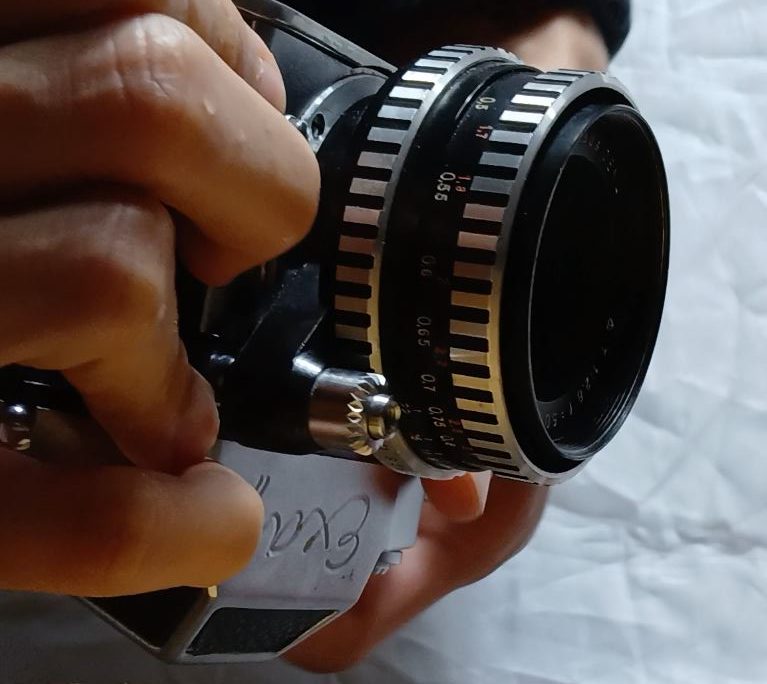
Holding the camera upside down is almost more comfortable.
Exhausting… and also painful
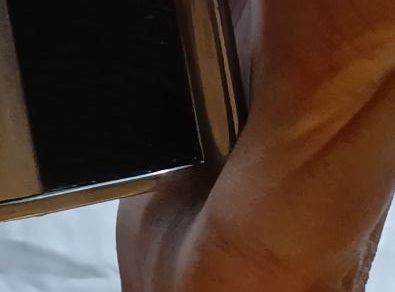
one of the camera’s sharp angles presses directly into the palm of your hand.
Why is the grip so bad ?
To understand that, we have to go back to 1936 and the design philosophy of the original Kine Exakta.
Kine Exakta was Designed for a Waist-Level Finder
1936’s Kine Exakta was built to be used with a waist-level finder. In that context, placing the shutter button on the face of the camera made it easier to use.
The Exa I, of which Exa II is merely a minor “improvement”, was also designed around a waist-level finder.
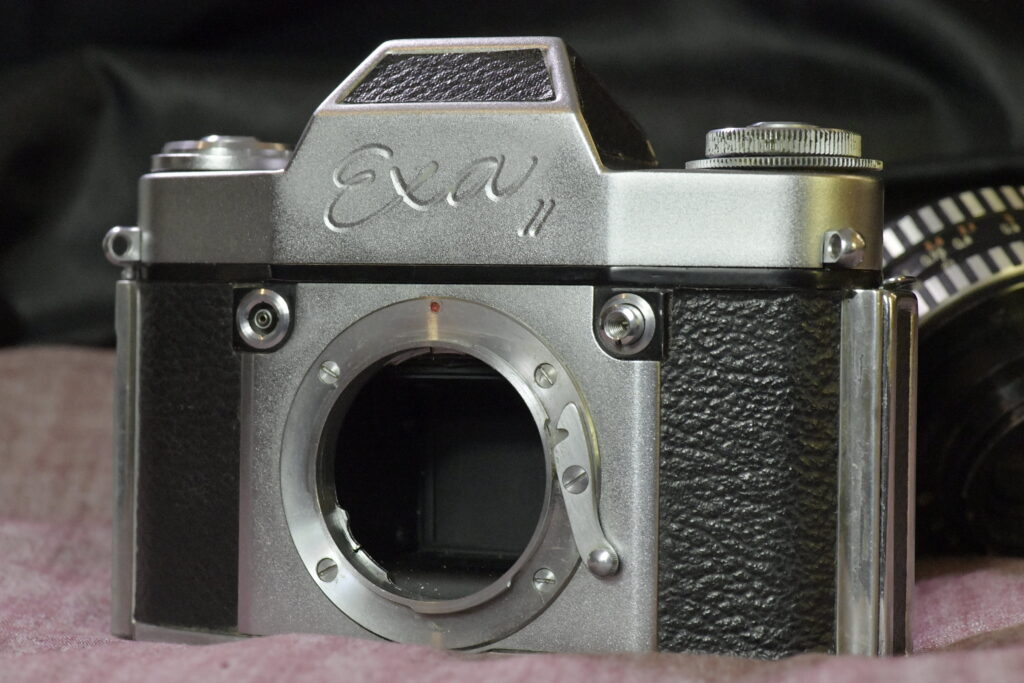
But unlike the Exa I, it is not possible to change the finder on the Exa II.
We are stuck with a prism finder that does not match the camera’s original waist-level finder philosophy.
A Body Shaped for Waist-Level Viewing
The way the camera is shaped then made perfect sense.
Making place for the waist level finder
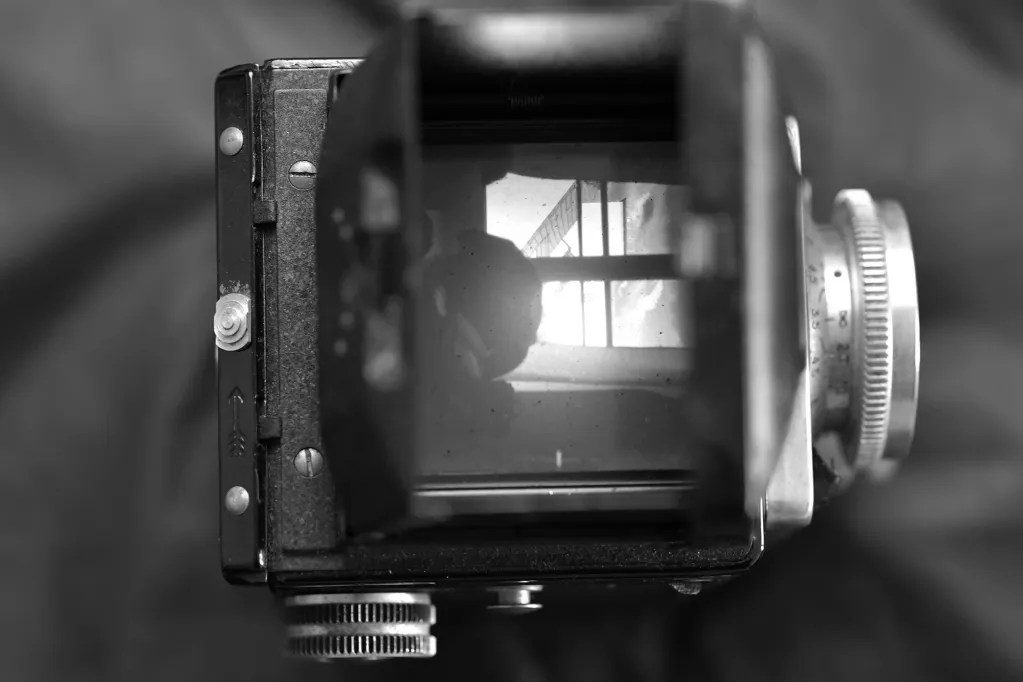
Waist-level focusing requires space above the focusing screen.
A shape for a waist level finder
A shorter chassis make the commands more easily accessible (we focus and set aperture with the right hand while we set the shutter speed with the left one). Likewise, having a thicker chassis make the camera easier to handle.
It is probably to give this shape to the camera that Ihagee decided to use an unusual vertical silk curtains shutter (it allows the camera to be shorter).
With a waist level finder, raw angles are still painful for the hands, but the camera is much more enjoyable to use.
Ihagee had to follow the trend
During the 1950s, prism-equipped SLRs (Pentax, Nikon, etc) became extremely popular. With the Exa II, Ihagee tried to match this new trend.
Why Ihagee could not do better ?
hagee was constrained by the design of the Exakta mount, which had remained essentially unchanged since 1936.
In theory, Ihagee could have introduced a new mount, but doing so would have been risky: a large part of its user base already owned lenses and accessories compatible with the classic Exakta mount.
Moreover, the economic and industrial limitations of East Germany made genuine innovation increasingly difficult.
Why the mount made ergonomics impossible to fix ?
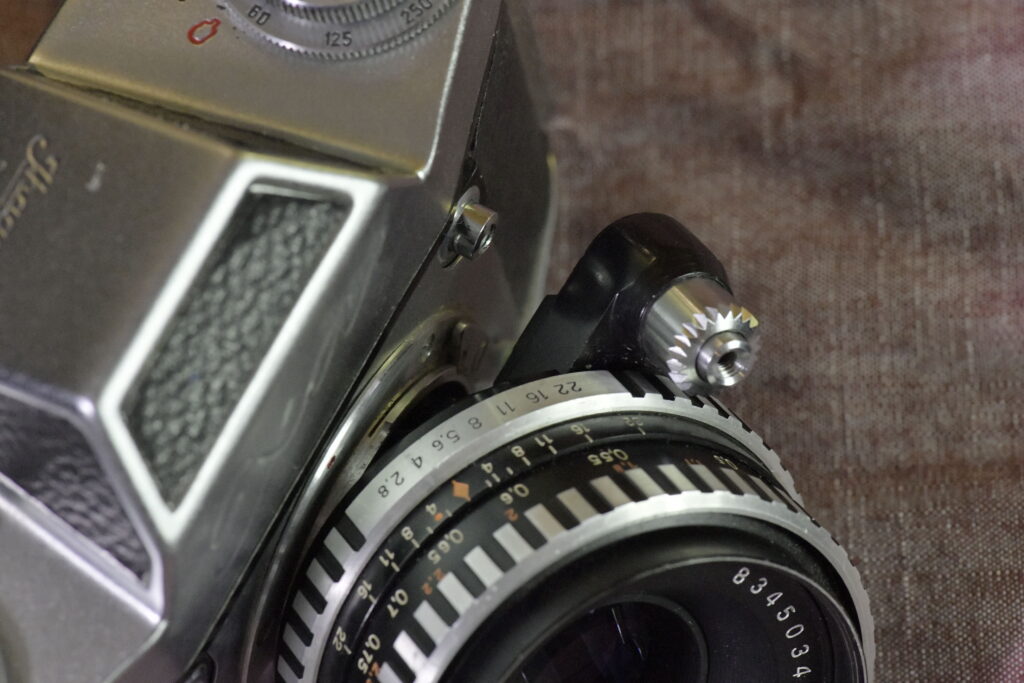
The shutter button is integrated to the lens. When we press this button, an internal mechanism in the lens close the aperture and a stem press the shutter button on the camera behind.
It is then impossible to change the position of the shutter button and adapt it to a prism finder view without changing the mount.
The Exa II was an impossible compromise between having a reflex using a pentaprism and in the same time using a mount unsuited for this finder system.
Not the greatest camera
As you now have seen, Exa II is a basic and painful camera to use.
However, the Ihagee Exa II remains interesting because it demonstrates how important handling is when designing a prism-equipped SLR.
Sources :
http://www.ihagee.org/ECB/ECB128-simplicite61.pdf
https://www.cameramanuals.org/exakta/exa_ii.pdf




Leave a Reply