


Second generation of Fuji’s Hybrid
An 11 years old camera
The Fuji XT-1 is a hybrid camera released in 2014. It uses a second-generation X-Trans APS-C sensor (16 MP).
The mount of the camera is still used nowadays, which gives access to a large number of lenses (Fuji or third party brands).
X-trans 2 : A sensor with character
This sensor is the main attraction of the camera. It gives the images a special vibe that is reminiscent of the beginning of digital photography.
Friendly to adapted lens
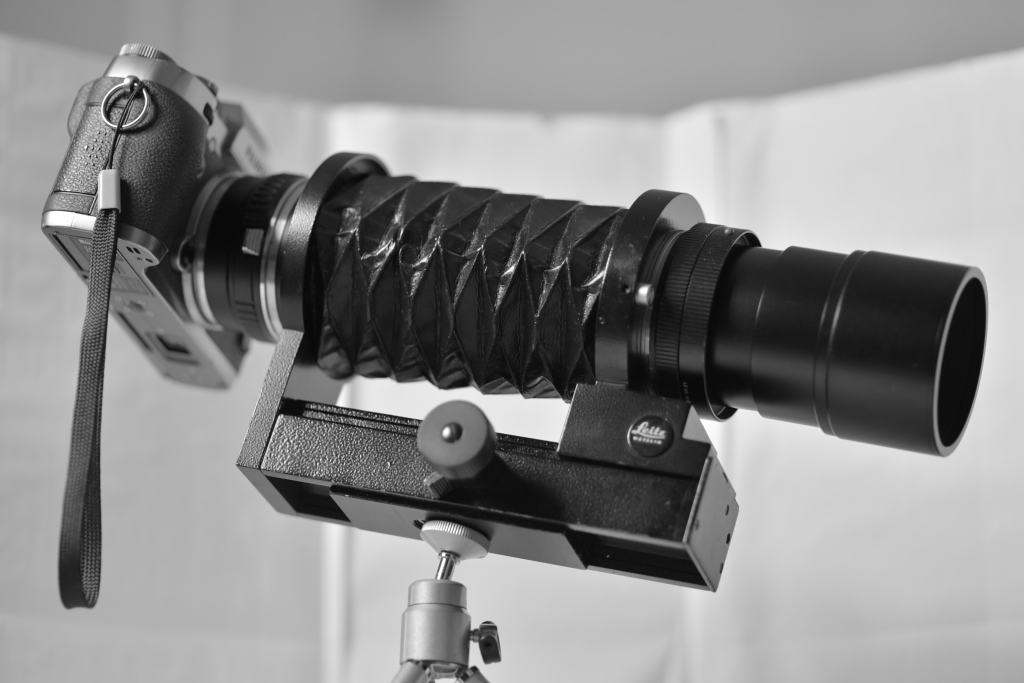
The camera can take pictures with a lens with no electronic contacts and offer focus peaking.
The Fuji XT-1 is then an excellent choice if you want to adapt analog lenses.
Personnally, I have only used the camera with adapted lenses. It is more economical and the 16MP “only” makes the resolving power of the lens a less critical factor than cameras with more resolution.
Pleasant to use
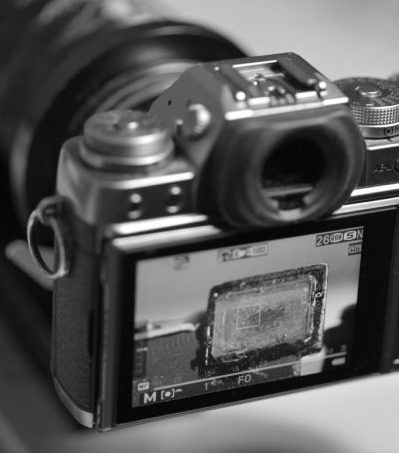
Taking pictures with the XT-1 is enjoyable. Unlike other more austere digital cameras, we can appreciate the efforts made to make the camera more accessible.
We can easily change the rendering of the jpeg by using presets inspired by old analog films (Black and White, Velvia, etc.).
The “modern old school” handling of the XT-1
Inspired by manual focusing analog SLR
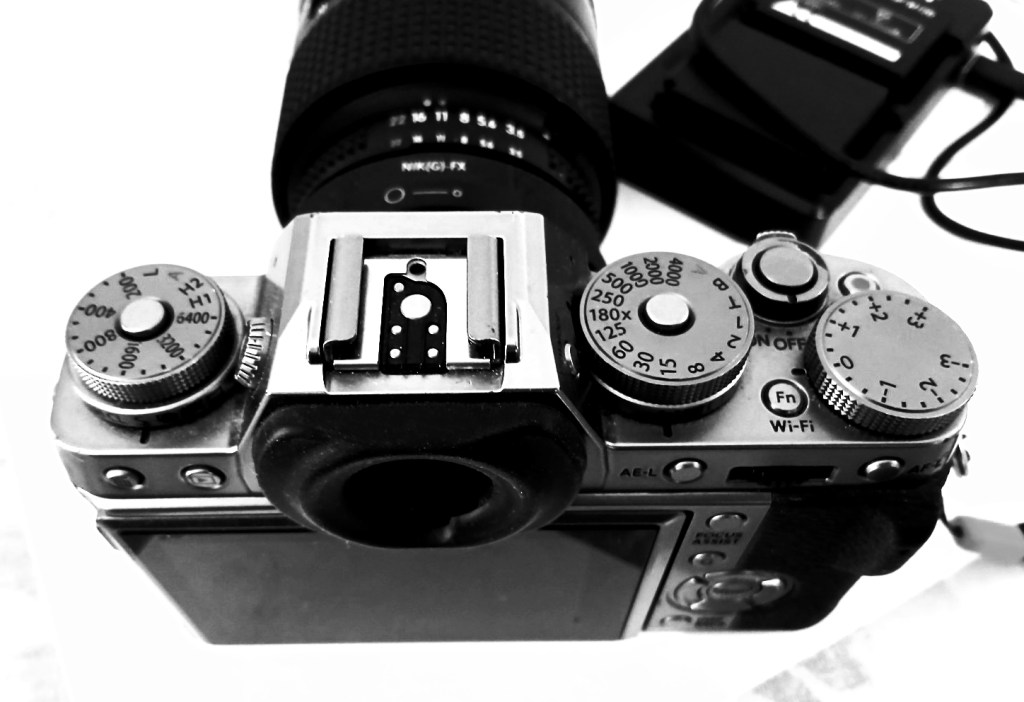
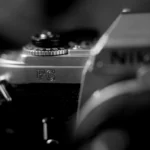
With its dedicated shutter speed selector, the camera takes for inspiration the ergonomics of the analog reflex of the 60s to 80s.
I prefer this configuration to the modular design of other digital cameras where we assign specific functions to each selector.
The camera is still relatively complex
Even if shaped like an old school manual-focusing SLR, the XT-1 doesn’t share its ingenuous simplicity.
Indeed, as the XT-1 is also meant to be used for serious photography, it has to offer advanced settings.
There are a lot of buttons and menus, tons of features that I never care about…
I remember spending hours thinking about how to make focus peaking work after accidentally disabling it (tip : turn the little selector on the front of the camera to “M”).
Why the Fuji XT-1 is still desirable 11 years later?
X-Trans sensor
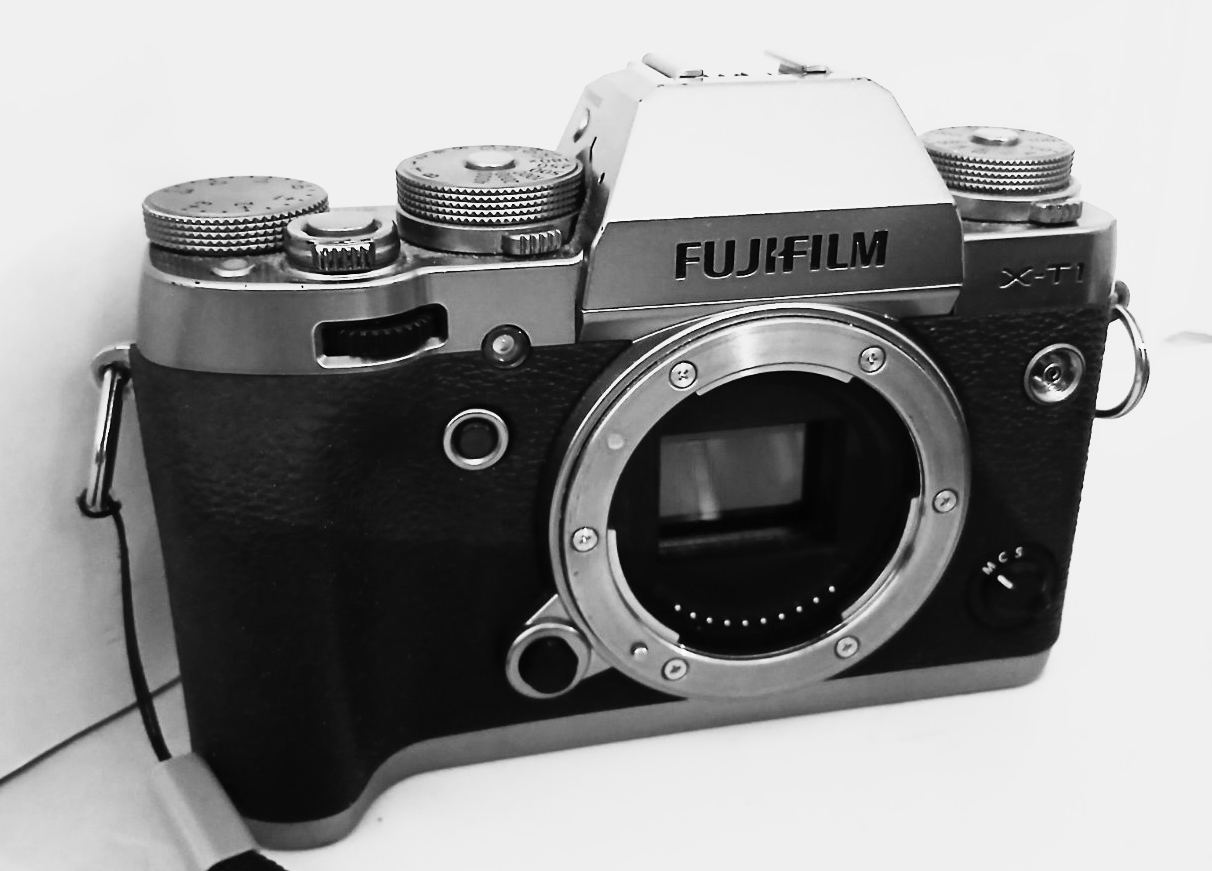
The main reason for using this camera in 2025 is the sensor made by Fujifilm.
X-Trans sensors differ from the mostly used digital bayer sensor in their color filter array arrangement. It gives the images a unique look with beautiful colors.
But then, why use an XT-1 from 2014 and not a more technically advanced XT-5 from 2022?
The unique “digital vintage” look of the X-Trans 2 pictures
Specifity of the X-Trans 2 used by the XT-1
The first and second (used by the XT-1) generations of X-Trans sensors give the images a unique vibe.
The photographs produced by the sensor and algorithm have a subtle granular texture, vivid colors and contrasty. All these little imperfections and limitations make the images look lively and organic. It opposes to the more clinical look delivered by other sensors (including the following generations).


All the little imperfections and limitations are reminiscent of the beginning of the digital era.

So, if you’re looking for a camera that gives you images with a special touch and don’t plan to make large prints of your photographs, the Fuji XT-1 is certainly an option to consider.
Sources :
https://en.wikipedia.org/wiki/Fujifilm_X-Trans_sensor : “The Fujifilm X-Trans is a sensor with a colour filter array arrangement developed by Fujifilm and used in its Fujifilm X series cameras.”
https://www.fujivsfuji.com/fujifilm-xt1-review : For a more technical analysis.












Leave a Reply