

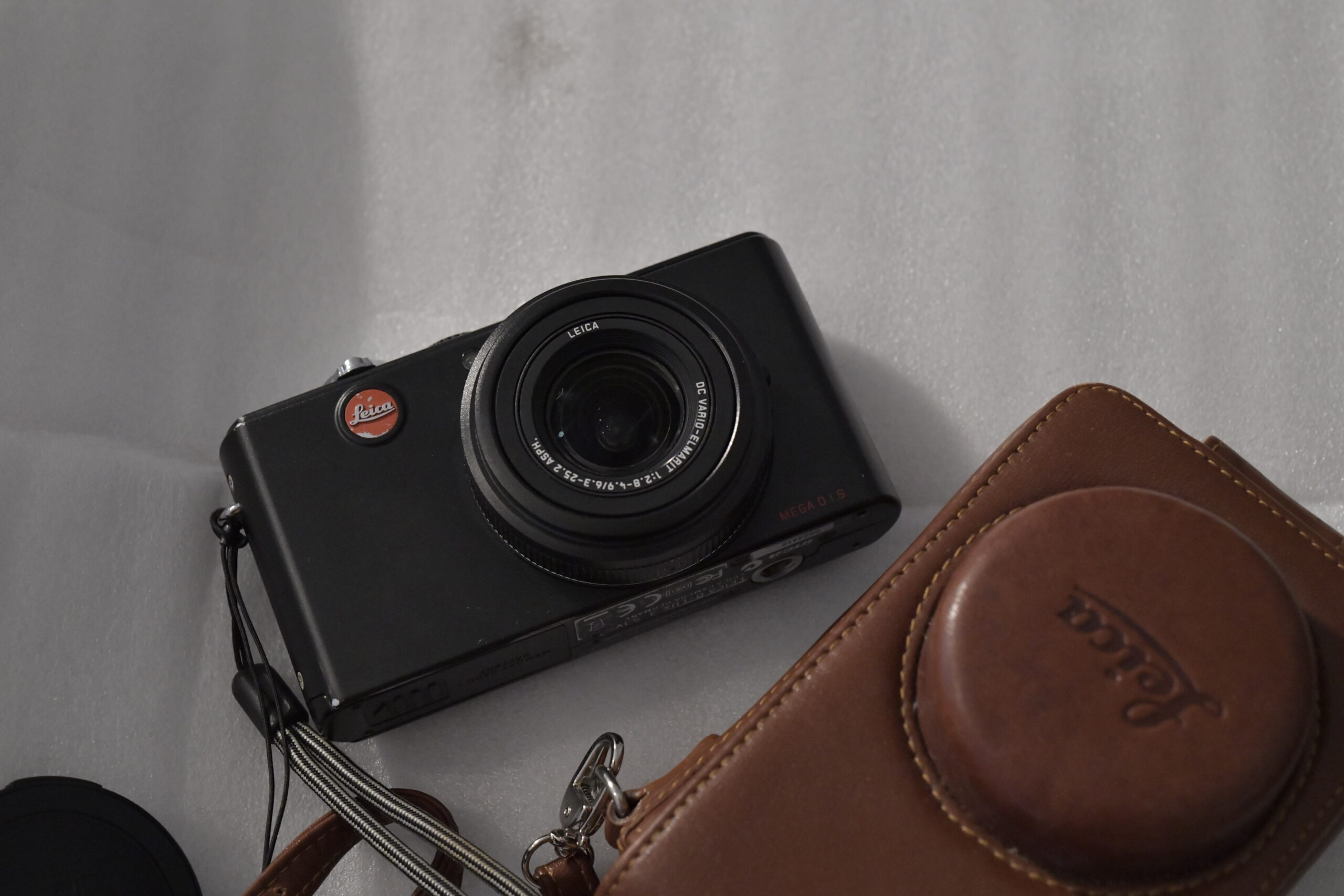

Leica D-Lux 3: a 2006 compact camera
The Leica D-Lux 3 is a digital camera released in 2006. It features a 1-inch sensor with 10 million pixels (equivalent to the average resolution of 35mm film).
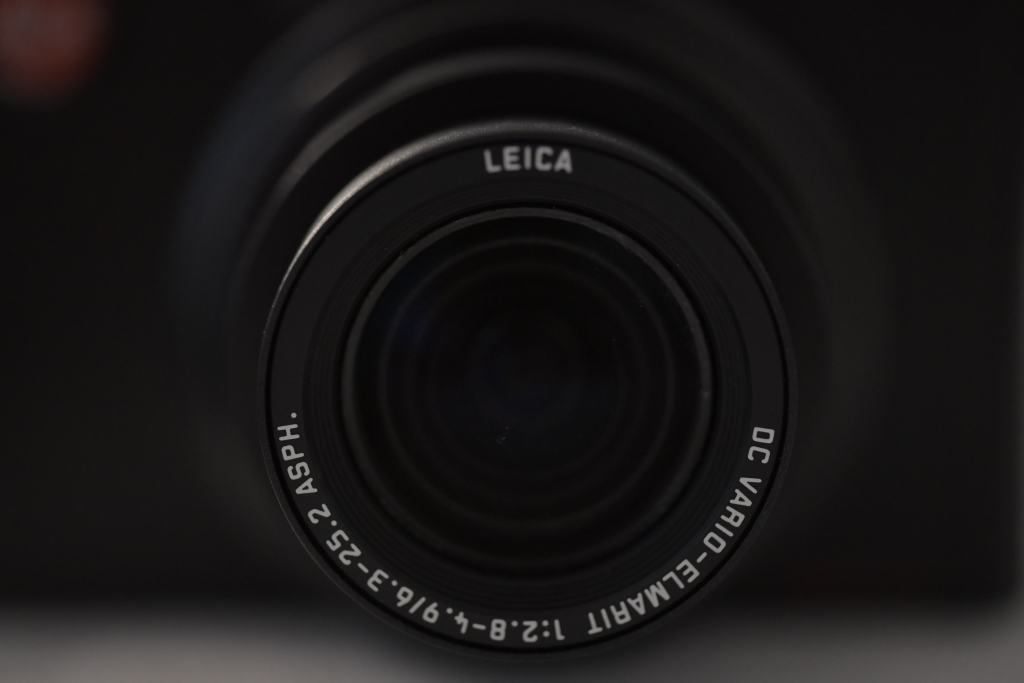
Its lens is a stabilized Leica 28-112mm with an aperture ranging from 2.8 to 4.9.
One might wonder whether such an old digital camera is still worthwhile in terms of performance. And more specifically, whether it offers any added value compared to a phone.
Build quality in line with the average mid-range compact cameras
You can tell that this camera is made by Panasonic, not Leica. It’s not an exceptional product; it’s just as well-made as any other mediocre compact camera.
The most luxurious part of the kit is the case, not the camera.
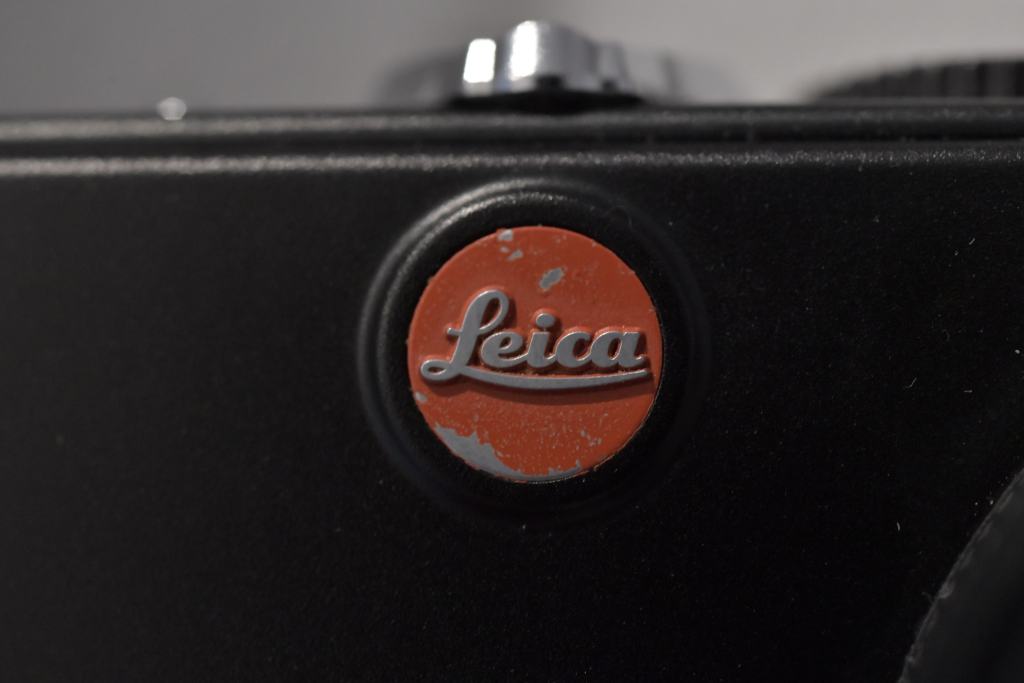
The build quality of the camera is not exceptional. It is a Panasonic Lumix LX2 body rebranded as a Leica.
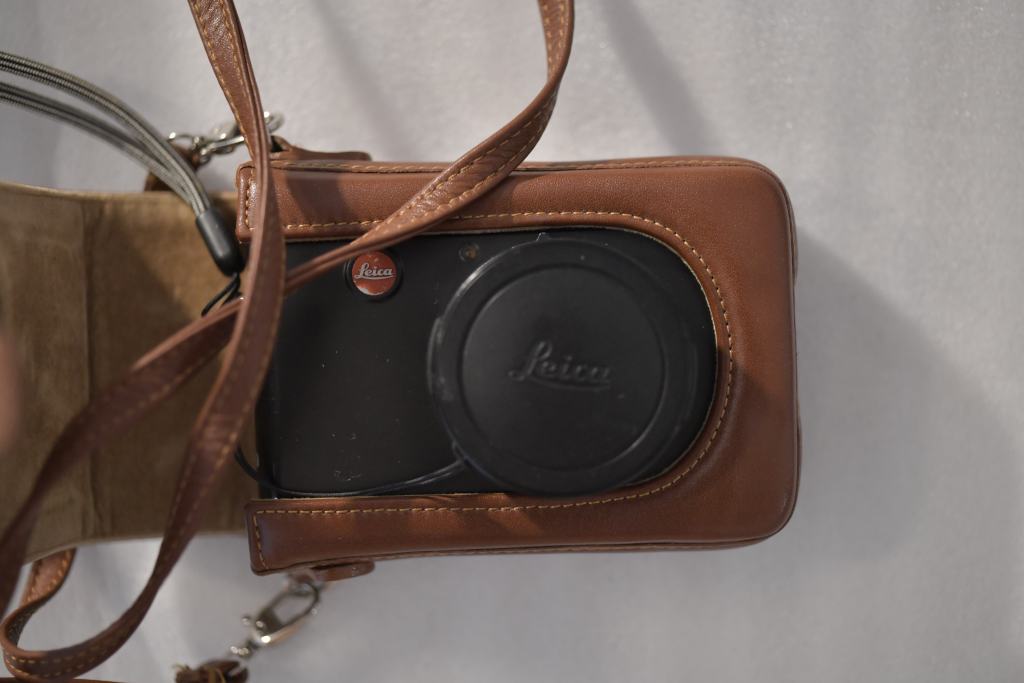
The device fits into a jeans pocket with a little effort.
The differences between the Leica D-Lux 3 and the Lumix LX2
When reading the technical specifications for both cameras, there are no apparent differences. Only a few aesthetic features and image rendering (firmware) differ.
Correct handling
The camera is quite responsive and pleasant to use.
I appreciate its two-stage shutter button with clearly separate functions (autofocus and shutter release).
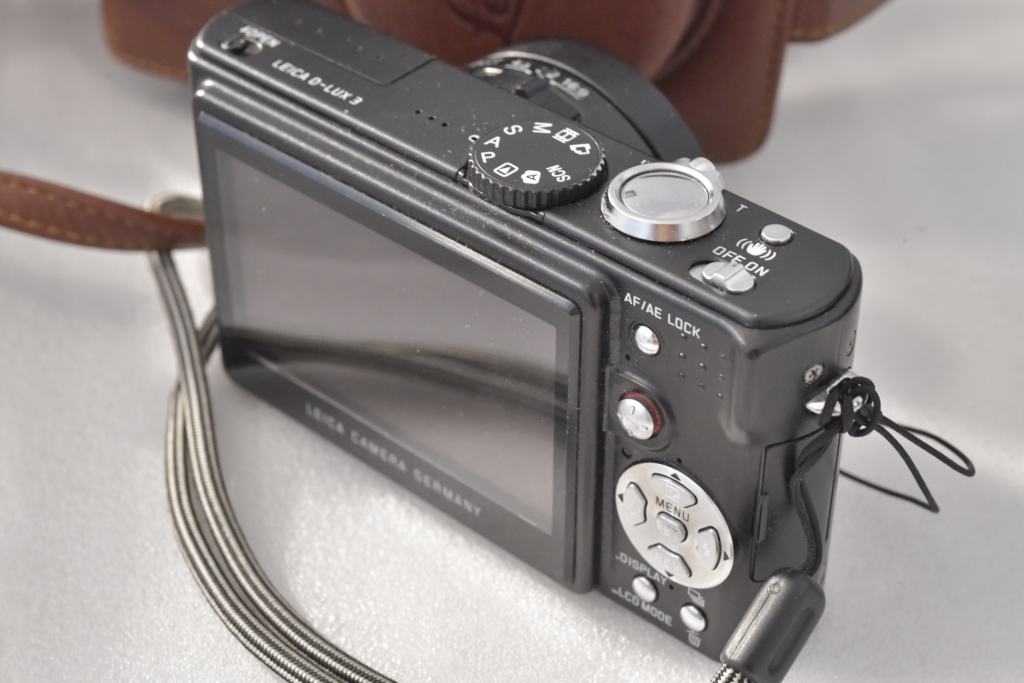
It has the same controls as most compact cameras.
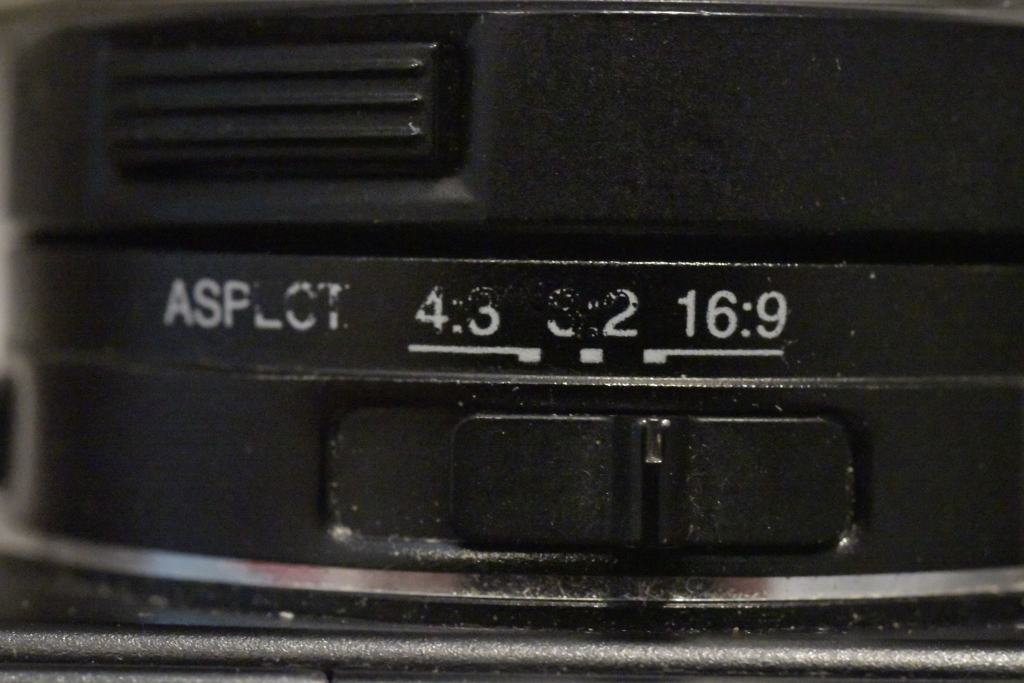
A selector above the lens allows you to choose the image ratio.
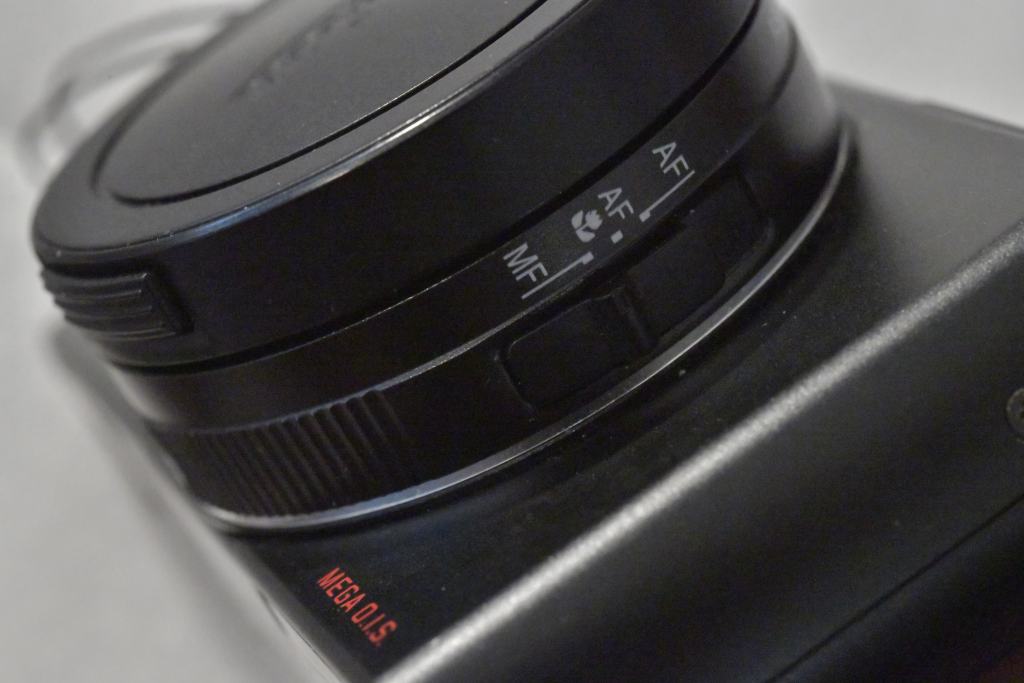
It is possible to focus manually…
or rather to control the focus motor using the controls next to the screen. A slow and tedious process…
The images produced by the D-Lux 3
I have not edited the photographs; these are JPEGs straight from the camera.
The photos were taken using the camera’s program mode.
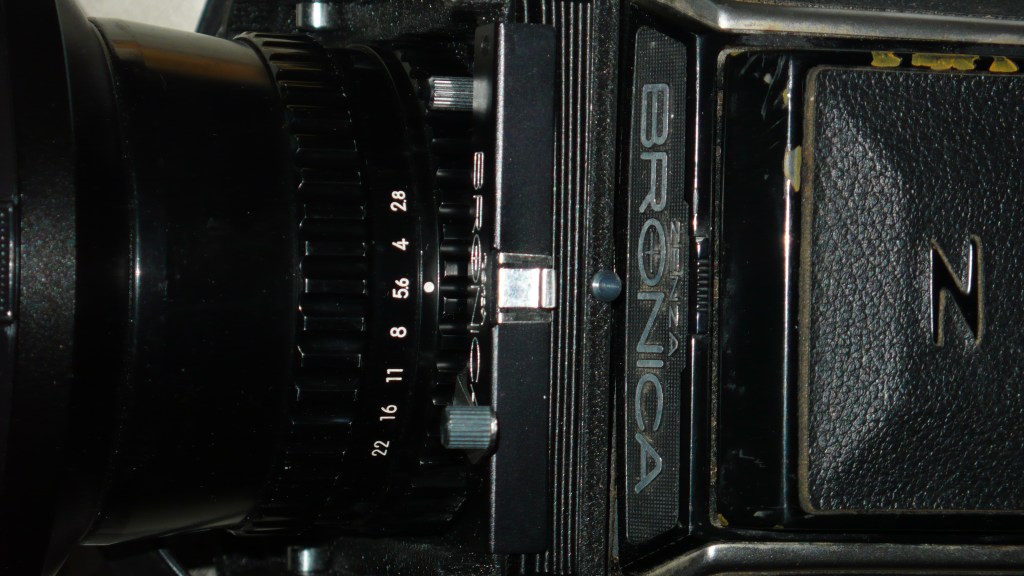
The camera is not really suited for close-up or macro photography. This photo shows the closest focus that can be achieved.
The camera is more suited for portrait or landscape photography.
This photo was also taken using the flash, which seems to work well.

The colors are satisfactory (perhaps a little unnecessarily saturated at base, but this can be adjusted).
Acutance is good.
Exposure is correct.
If you look closely, you will notice that the autofocus is not perfect.

Chromatic aberrations may appear in highlights (look at the water below or the Bronica photo).
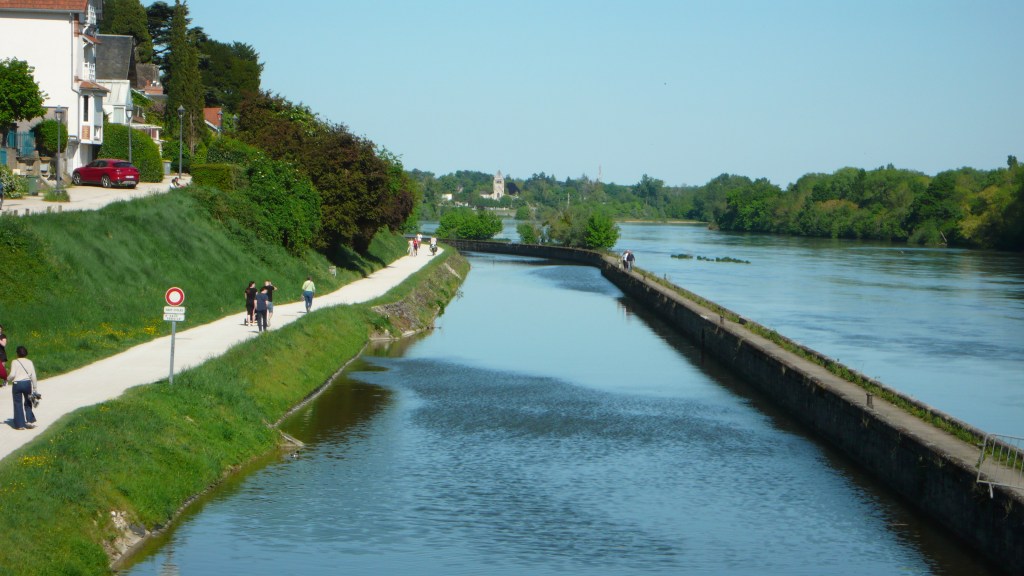
The colors are saturated and pleasing.
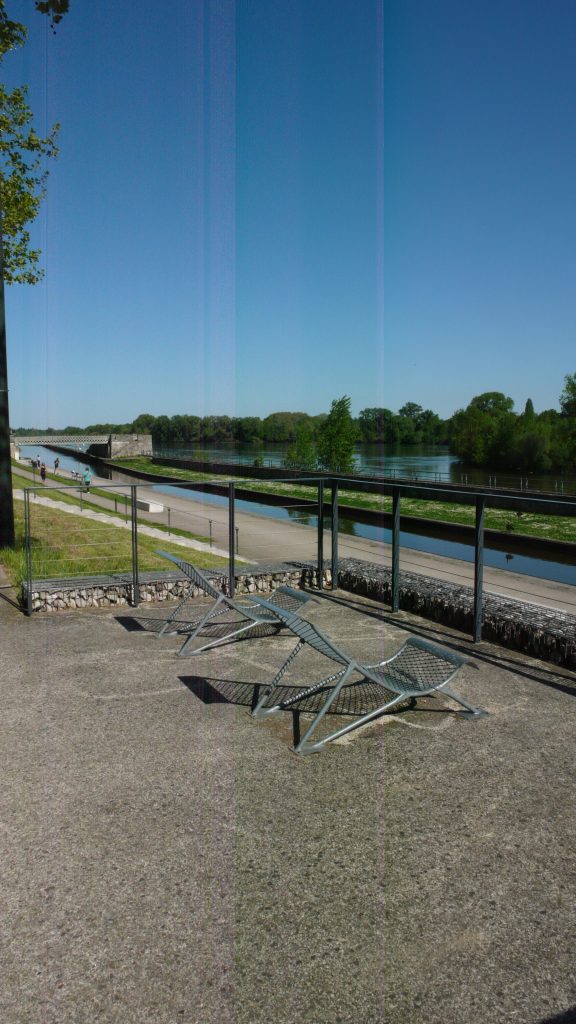
My camera sometimes has a few issues with the sensor.
Otherwise, the wide-angle photos are good: there are no distortion or vignetting.
A comparison with a telephone
My phone is a Samsung Galaxy A16 released in 2024. It is an entry-level smartphone sold for €128 new.
How do the images produced by this phone compare with the Leica D-lux 3?
Overall impression
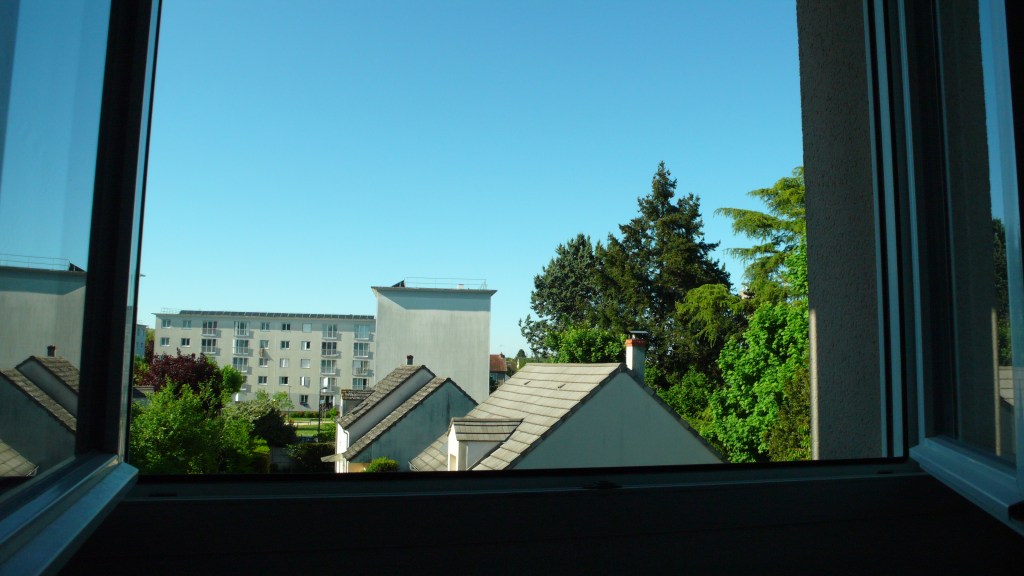
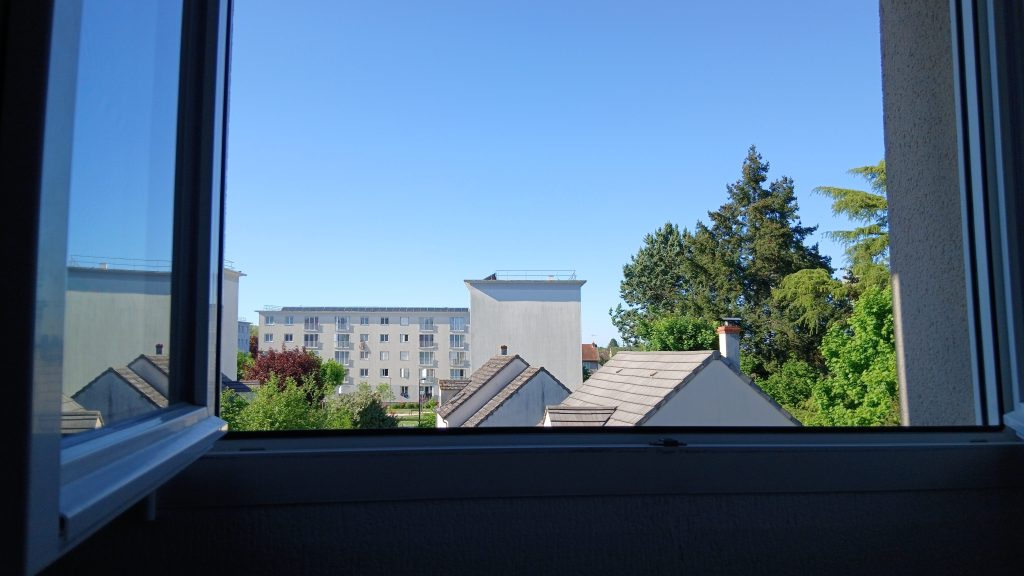
The first thing you notice is that the white balance on the D-Lux 3 is poor: there is a greenish tint to the image.
In its defense, this scene, which combines indoor and outdoor lighting, is not the easiest to handle.
The white balance performed by the Samsung Galaxy A16 (28mm) is correct. The colors are neutral and less saturated than the D-Lux 3. The image also has less contrast.
There may be a little more distortion on the Samsung side, but it’s still subtle.
The definition


We can see that the smoothing is more pronounced on the Galaxy A16.
Otherwise, the two devices (10 megapixels for the Leica D-Lux 3 versus 12 for the Samsung Galaxy A16) are similar in terms of definition.
Conclusion: Using a Leica D-Lux 3 is no longer relevant today
A Leica D-Lux 3 in good working condition costs around €200…
A Samsung Galaxy A16 costs €128 and offers equivalent image quality and much more advanced video features.
If you want to invest €200 in a camera, other newer options with less impressive names are certainly better choices. Take the Nikon J5, for example.
In my opinion, there is no reason to buy this old digital compact camera from 2006, unless you are a collector.
The images produced are not good enough and the object is not even great.









Leave a Reply