

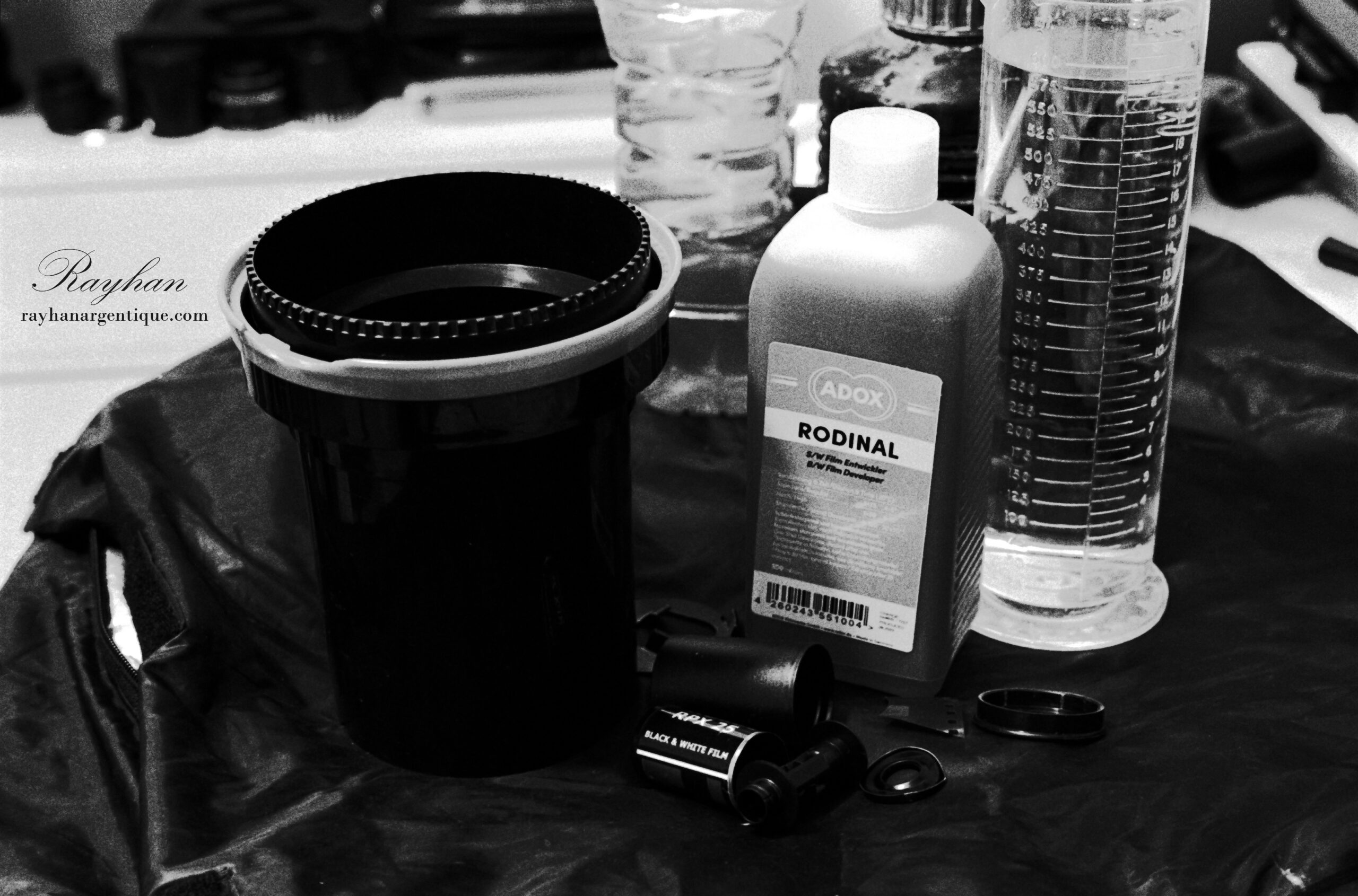

Different Possible Dilutions
When you check the datasheet for Rollei RPX 25 and look at how to develop it in Rodinal, you’ll find two options:
Develop the film for 6 minutes with a 1+25 dilution, or for 11 minutes with a 1+50 dilution.
But does it actually make a difference?
More or Less Contrast
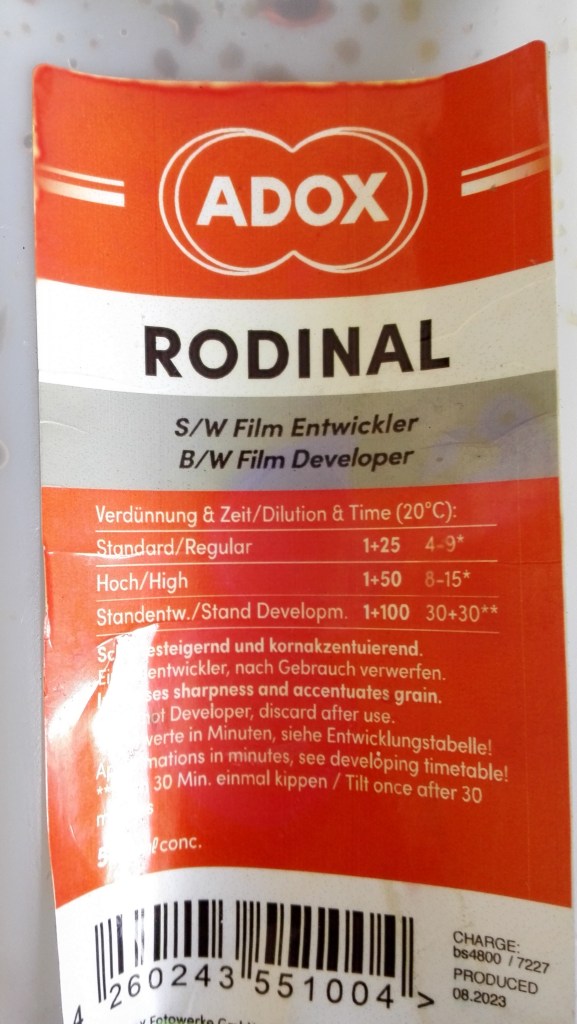
For a scene with normal contrast (“Regular”), use a 1+25 dilution.
For a high-contrast scene (“High”), use a 1+50 dilution.
The Practical Impact of Dilution and Development Time
On Contrast
For a high-contrast scene:
Using a 1+25 dilution with a shorter development time may not give the developer enough time to act on deep shadows, while its strong activity risks blowing out the highlights.
On the other hand, at 1+50 for 11 minutes, the developer has more time to act on the less exposed areas of the image. This helps bring out shadow detail while working more gently on highlights.
Simply put: the more contrast in the scene, the more you should dilute the developer (and vice versa).
On Grain
Dilution also affects grain: the more diluted the developer, the more visible and pronounced the grain will be.
Practical Examples
In this example, the development time was too short to properly render the shadows in a high-contrast (sunny) scene:
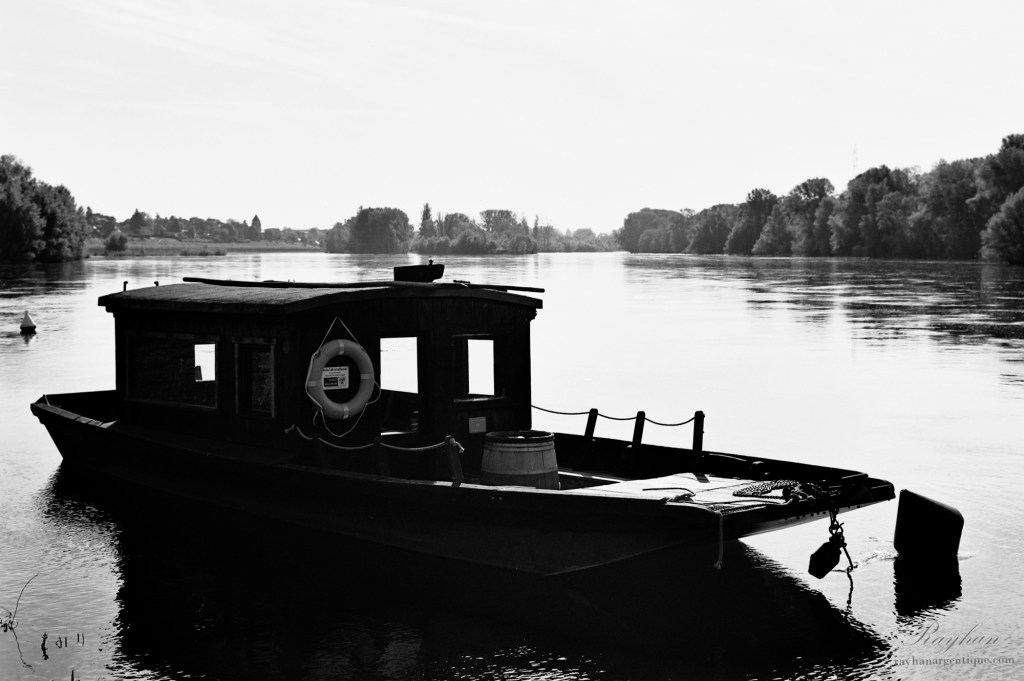
Rollei RPX 25 developed in Rodinal 1+25 for 6 minutes at 20°C
– The short development time did not allow details in the boat to emerge.
With sunny conditions increasing contrast, a longer development time would have revealed more shadow detail, as shown here:
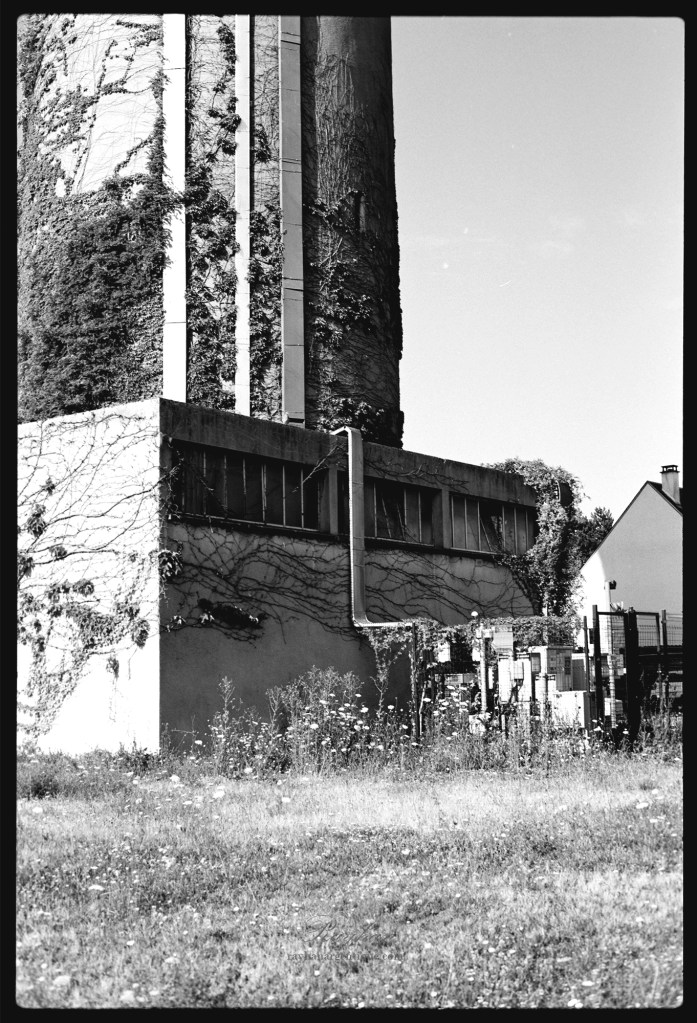
Rollei RPX 25 developed in Rodinal 1+50 for 11 minutes at 20°C
– More detail is visible in the darker areas of the scene.
A shorter development time, however, works well for low-contrast scenes (overcast weather and soft light):
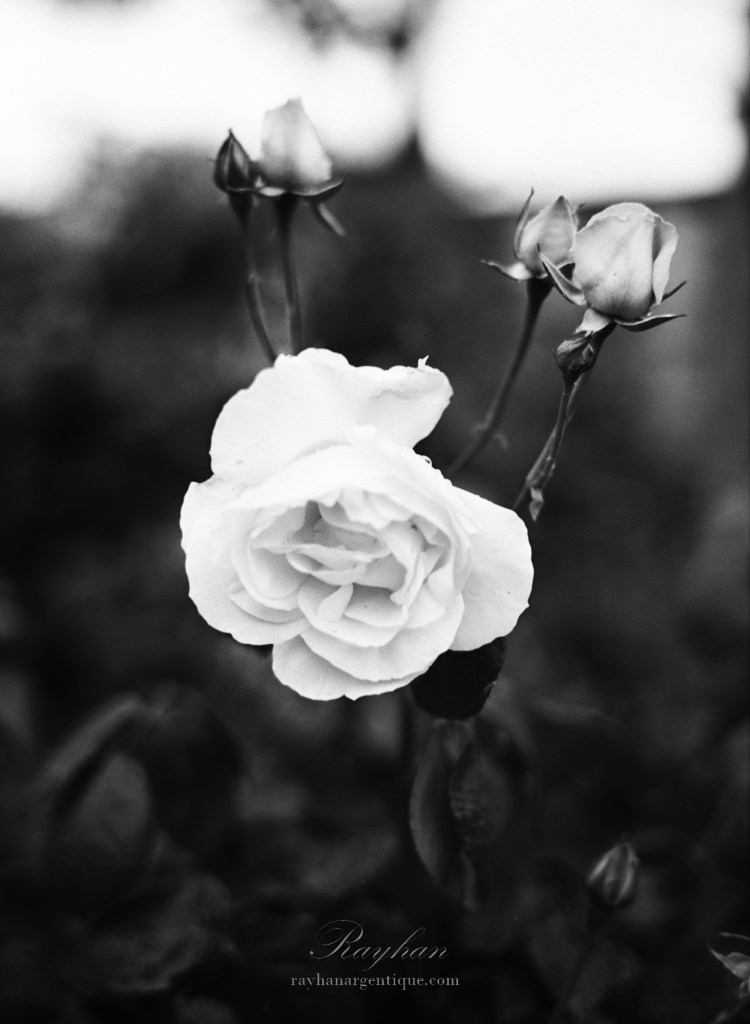
Rollei RPX 25 developed in Rodinal 1+25 for 6 minutes at 20°C
– The shorter time adds contrast to an image that would otherwise look flat with longer development.
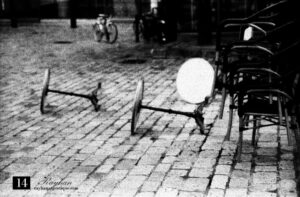
The risk of using too long a development time and too high a dilution is ending up with a flat image:

Agfa APX 400 developed in Perceptol 1+3 for 20 minutes at 20°C
– This image would benefit from more contrast; a lower dilution would have helped
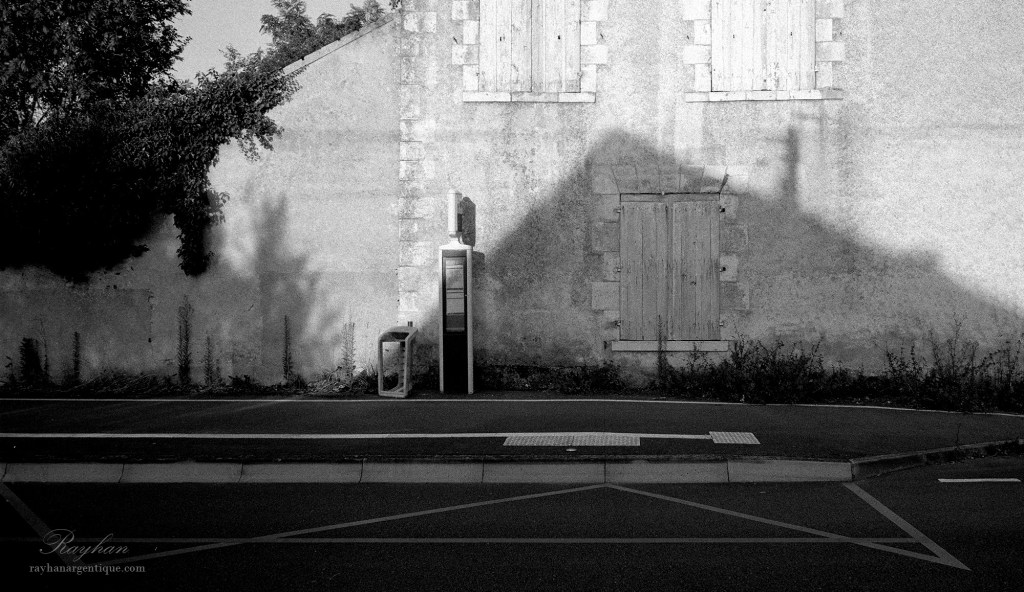
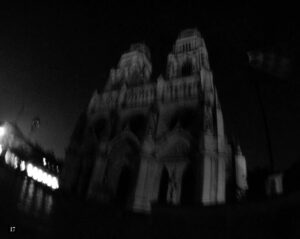
RPX 400 in Rodinal 1+50
– Here, the grain is clearly visible due to the high dilution.
Conclusion
As shown above, afterward choosing the right dilution and developer is very important. Indeed, you can develop your negatives only once, and post-processing doesn’t always solve evertyhing.
Lost shadow detail cannot be recovered once the film is developed, and a flat negative is difficult to correct without significant effort.
Achieving a well-developed negative is an essential for producing a good image.
Note: My experience is limited to Rodinal, but the same principles should apply to other developers.
I also advise you to stay in the dilution range preconised by the manufacturer (film and developer) to avoid problems.




Leave a Reply