


Black and White Film Is Sensitive to Color
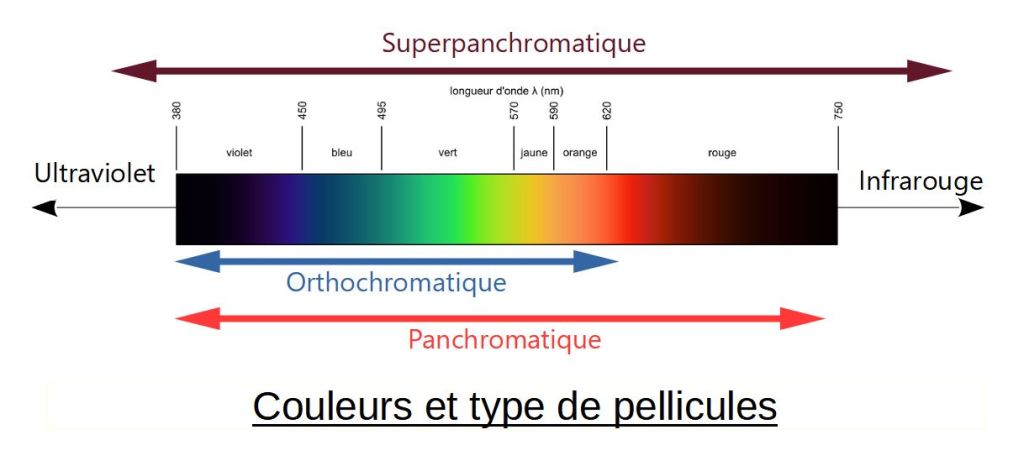
Black and white film records light intensity, but it is also sensitive to color.
As a result, certain colors – or wavelengths – are captured more strongly than others, appearing darker on the negative.
The Three Main Types of Film
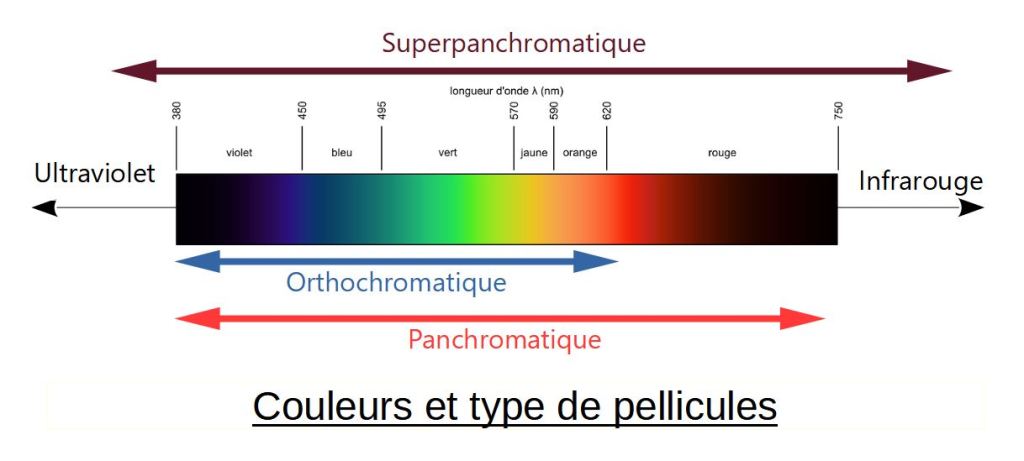
Orthochromatic Film
Insensitive to Red
At first, red light could not be captured by photographic film.
This means that even a brightly lit pure red object could appear black and without detail in the final image despite its brightness.
A film that is insensitive to red light is called orthochromatic.
Panchromatic Film
Sensitive to All Visible Colors
Later, manufacturers succeeded in producing film capable of capturing red light.
A film sensitive to all the colors visible to the human eye is called panchromatic.

Superpanchromatic or Infrared Film
Sensitive to Visible Light and Infrared
The human eye cannot perceive every wavelength of light. Infrared and ultraviolet light are invisible to us.
Some films are able to capture these wavelengths. A filter blocking visible light can then be used to isolate infrared light in the final image.
A film that captures all visible wavelengths as well as infrared light is called superpanchromatic.

For more information you can read the dedicated article on infrared photography.
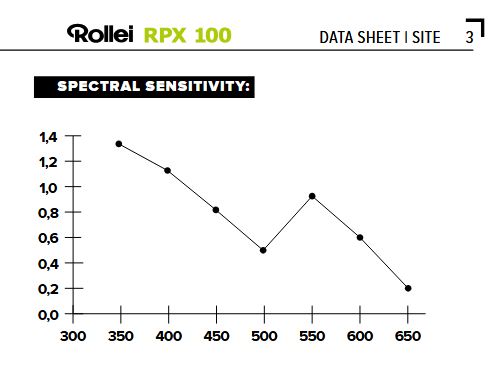
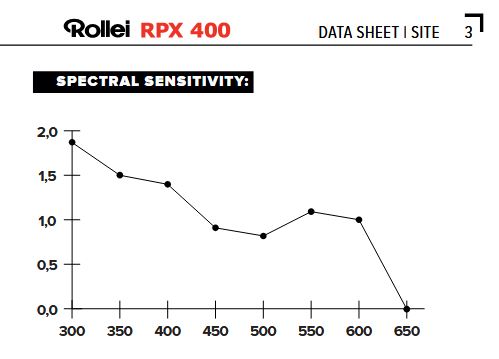
Different Spectral Sensitivities Between Films
Two films can belong to the same category while still reacting differently to colors.
For example, one film may be more sensitive to red light, while another may react more strongly to green. This is one of the factors that gives each film its unique rendering.












Leave a Reply