



1. Using an External Viewfinder System
The Advantages of an External Viewfinder
This type of viewfinder has one major advantage: since you are not looking through the lens itself, you are not affected by the color cast or density of a filter placed in front of the lens.
It also makes cameras more compact and reliable because the mechanism is simpler.
The Disadvantages of an External Viewfinder
However, it is not suitable for close-up photography, and there will be differences in perspective and rendering between what you see in the viewfinder and what is actually captured on the film or sensor.
You also have to be careful not to forget the lens cap — otherwise, you may end up with completely black photos.
The Different Types of External Viewfinders
Sports Finder
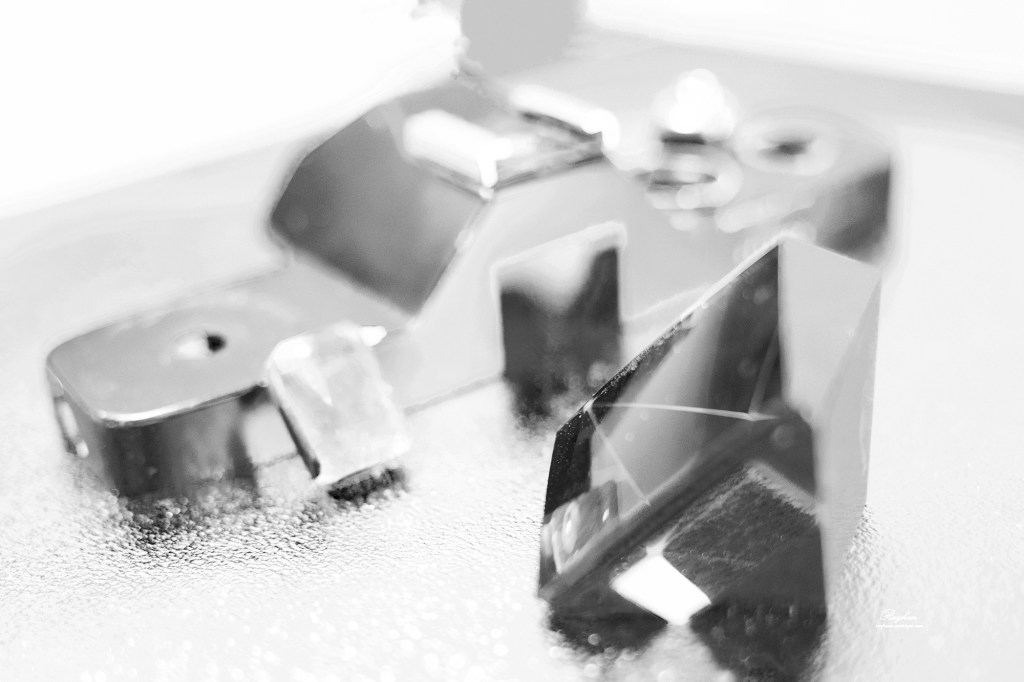
A sports finder makes framing easier. Focusing is estimated manually. Sometimes there is an optical element, as shown here, while in other cases there are simply framing guides.
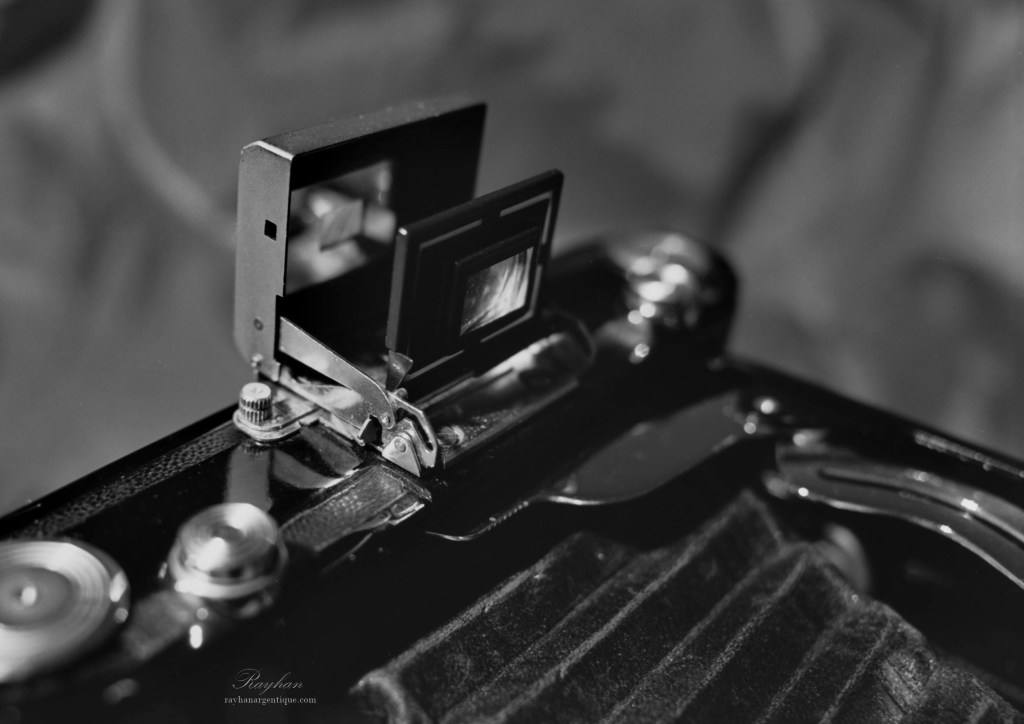
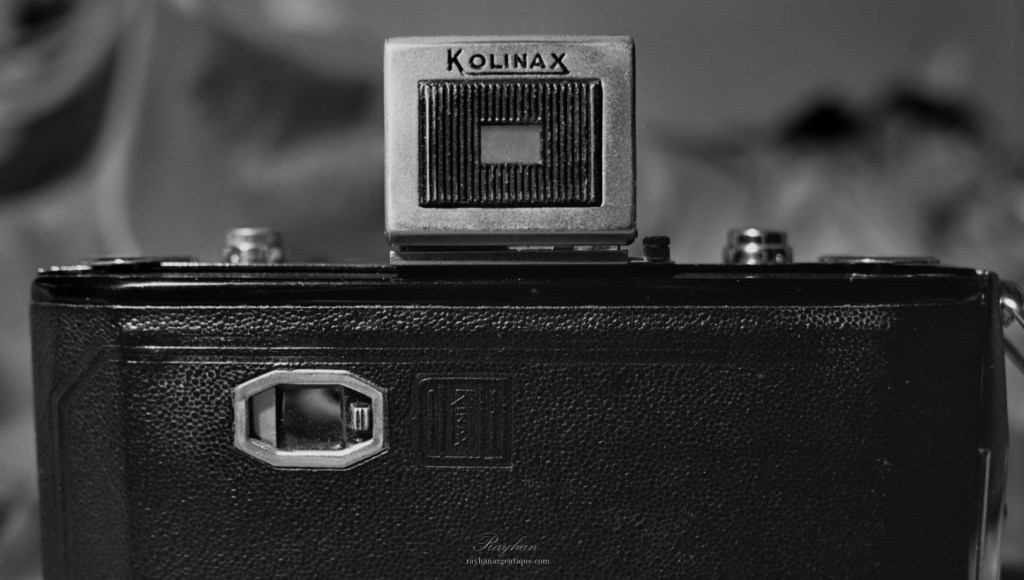
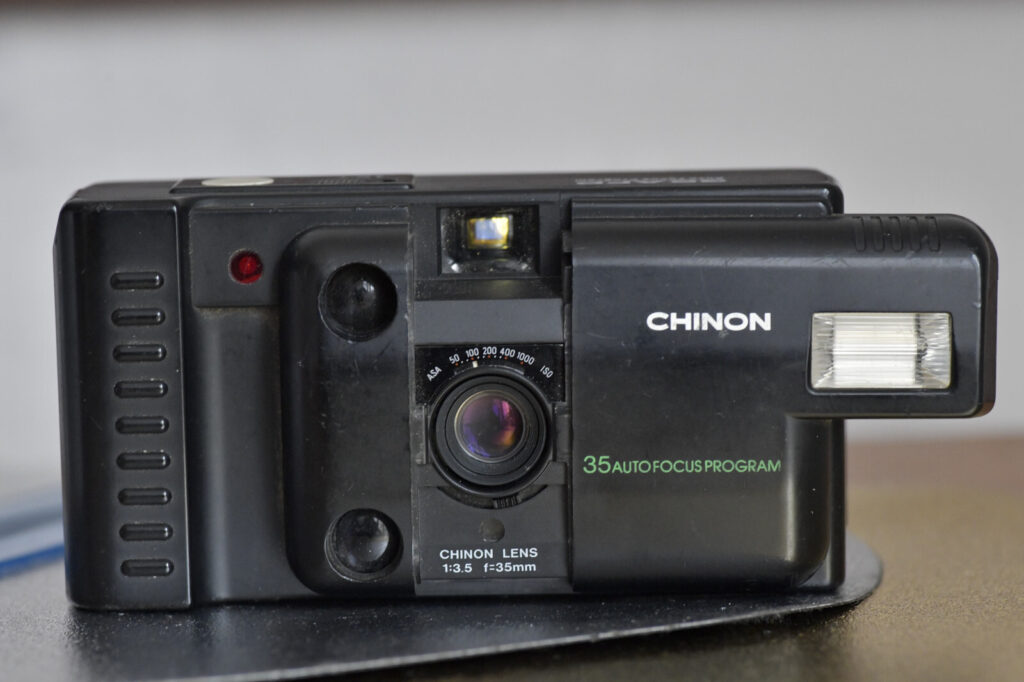
From the 1980s onward, many film cameras adopted this type of viewfinder system combined with autofocus technology.
Rangefinder
A rangefinder viewfinder includes a focusing aid inside the viewfinder.
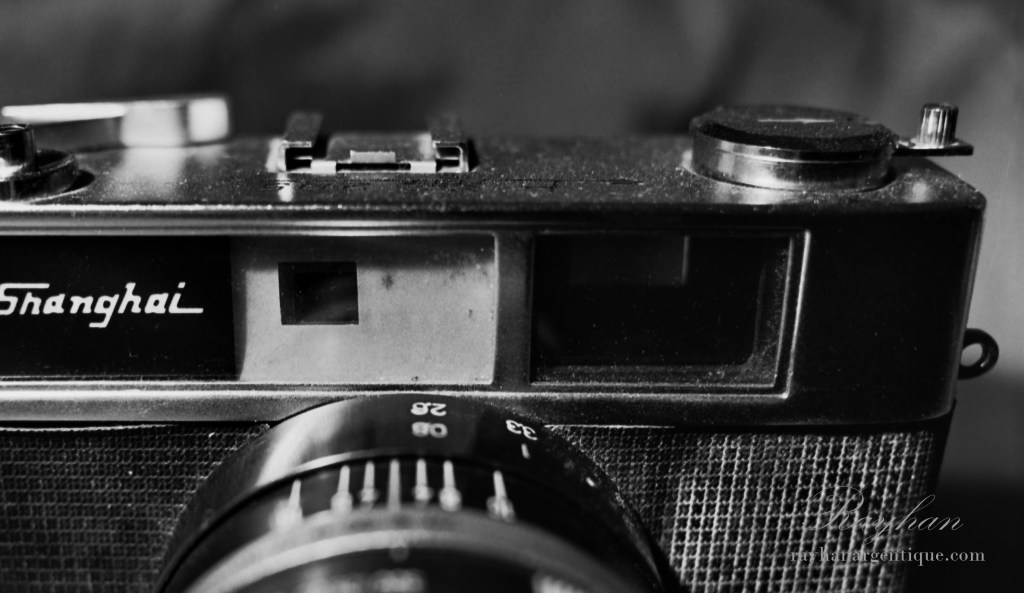
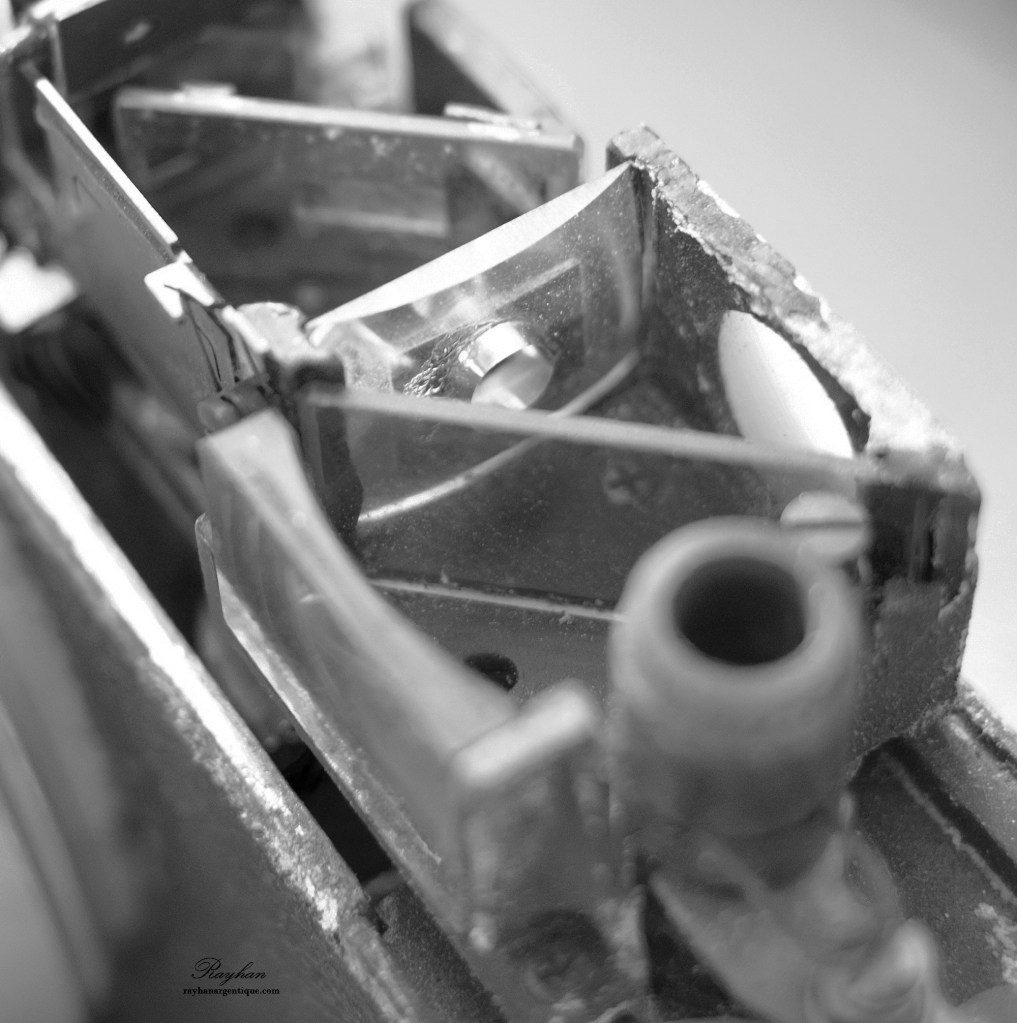
Focusing with a rangefinder involves aligning the two images coming from these windows until they overlap perfectly.
This type of viewfinder is not the brightest, and in some situations (low light or difficult subjects) aligning the images can be challenging.
2. Through-the-Lens Viewing
The Advantage of Looking Through the Lens
Looking directly through the lens provides an accurate representation of what the final image will look like on the negative: there are no parallax issues or rendering differences between the viewfinder and the lens.
The Different Types of Through-the-Lens Viewing
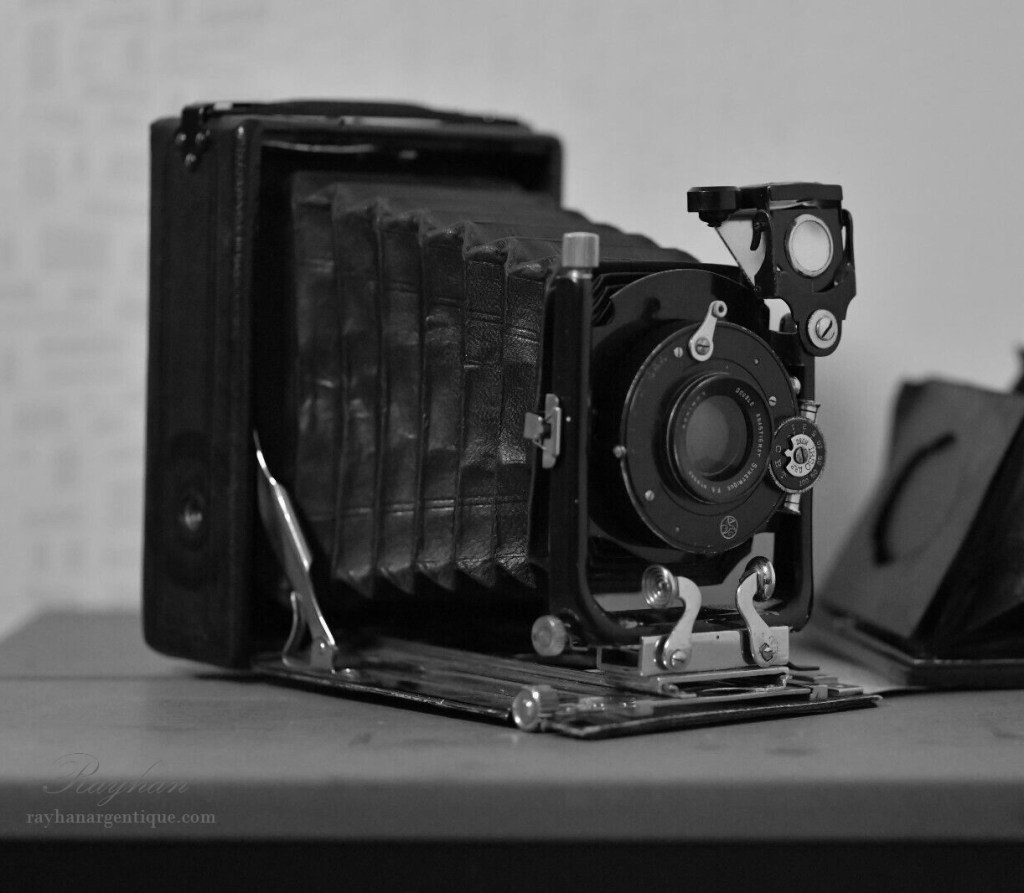
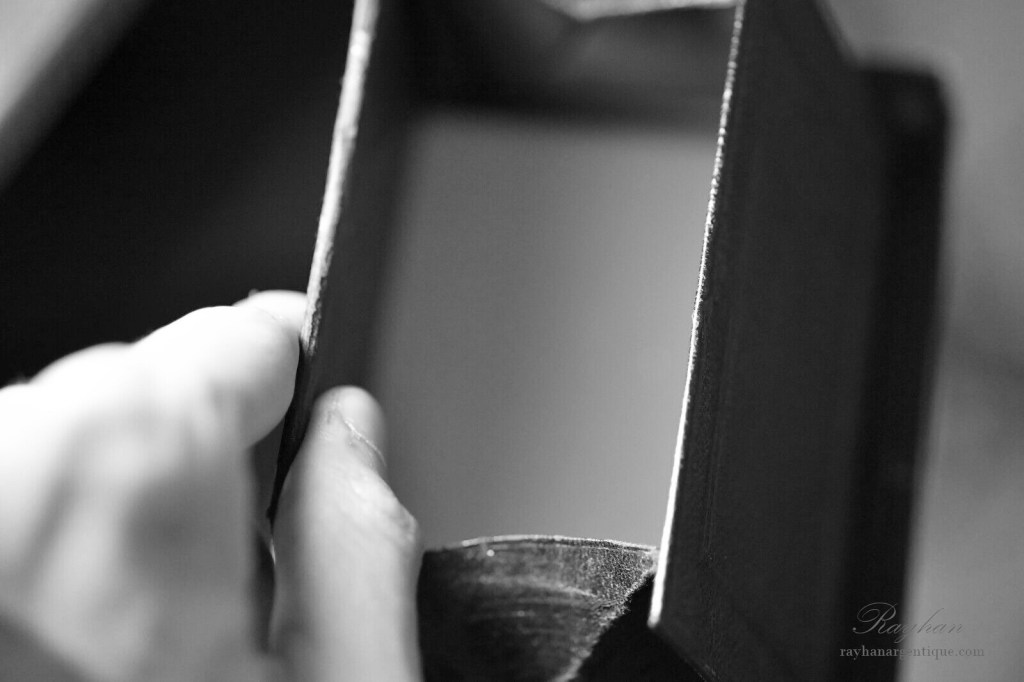
Looking Directly at a Ground Glass Screen
The ground glass is a sheet of glass onto which the image is projected. The image appears vertically inverted.
With a Mirror: The Waist-Level Finder
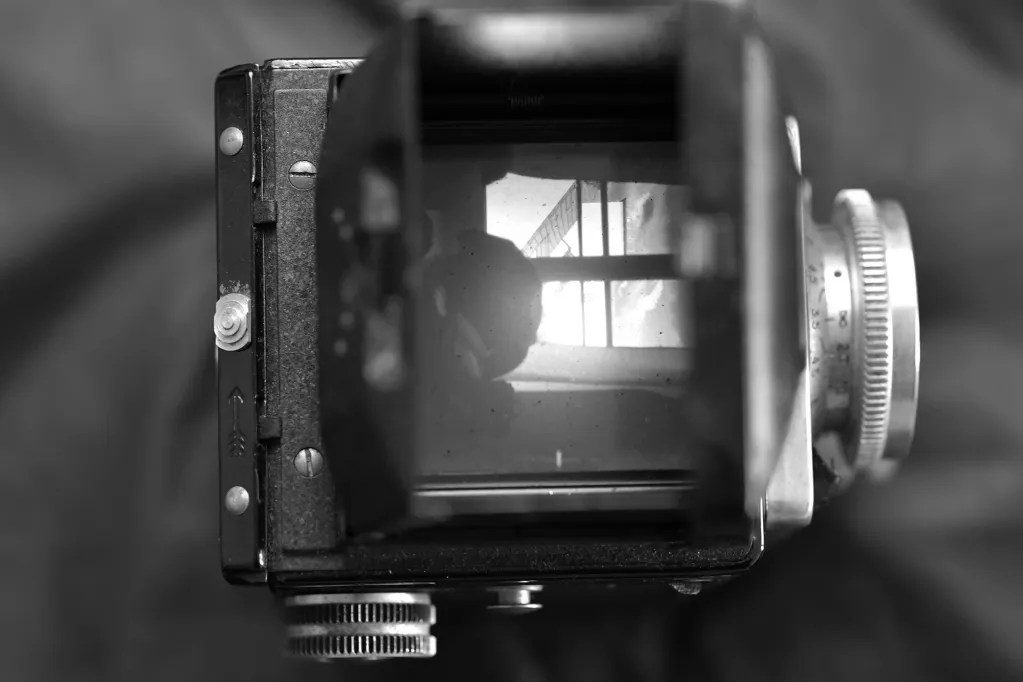
For greater convenience, a mirror system can be added to the ground glass.
As the name suggests, a waist-level finder is used by holding the camera at chest level and looking downward at the focusing screen.
When an image is projected directly onto a ground glass screen, left and right are reversed.
With a Prism / Reflex
A prism can be added after the mirror and ground glass in order to correct the image orientation. It is the system used on the so-called reflex cameras.
It also allows the camera to be used in a more instinctive way by bringing it up to eye level instead of holding it against the chest.






Leave a Reply