



A small sensitive surface film sensor
The first 110 format films were marketed by Kodak in 1972. This film was intended for small cameras such as the Yashica 16EE “harmonica” shown above.
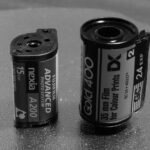
Due to miniaturization, the sensitive surface area of 110 film contained in its cassette is four times smaller than the classic 35mm format (13x17mm versus 24x36mm).
Film and even cameras dedicated to this format are still manufactured today.
Cameras in cornflakes boxes
Unlike other formats, manufacturers do not need to worry about the flatness of the film when designing a 110 format camera: this problem is handled by the cassette containing the film.
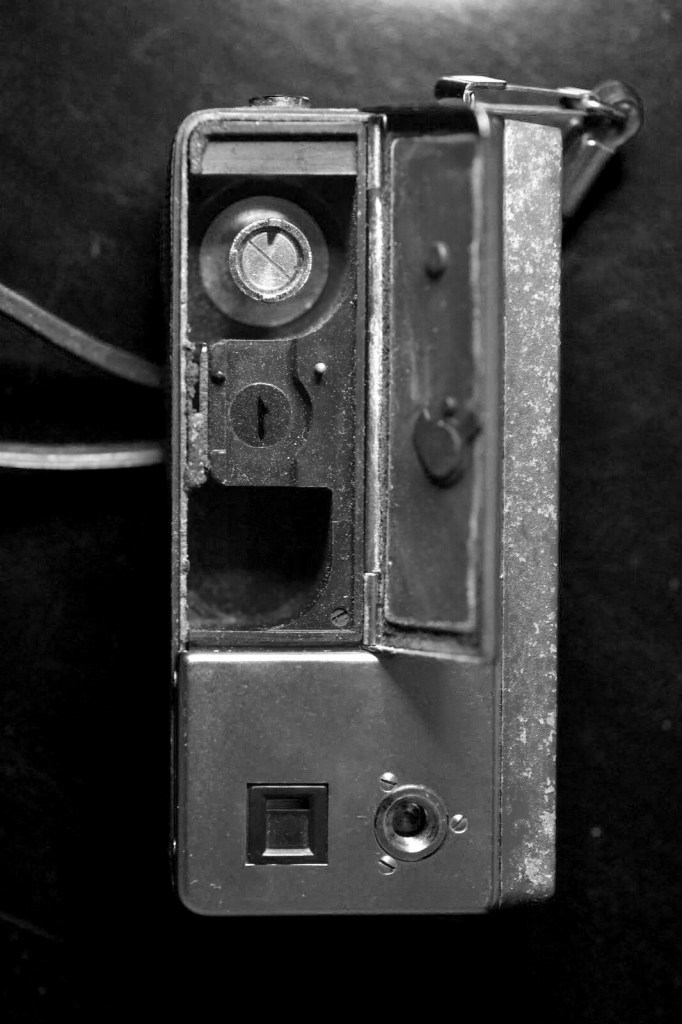
There are very few manipulations required for inserting the cassette in the camera.
But this certainly also has the effect of increasing the manufacturing cost of 110 film, as we will see below.
It is so inexpensive to manufacture a 110 format camera that, at one time, they were given away free with the purchase of a box of cornflakes.
The Pentax 110
The most advanced camera dedicated to this format is the Pentax 110 Auto. It’s a small SLR with a whole range of lenses.
But anyway, you can produce fantastic lenses, they’re not much use when the grain is so significant that you can’t appreciate their resolving power. You can’t make a racehorse out of a donkey…
Photographing in 110 format
There are many used 110 format cameras available, most of which are out of order. For a working model, you can expect to pay around €30.
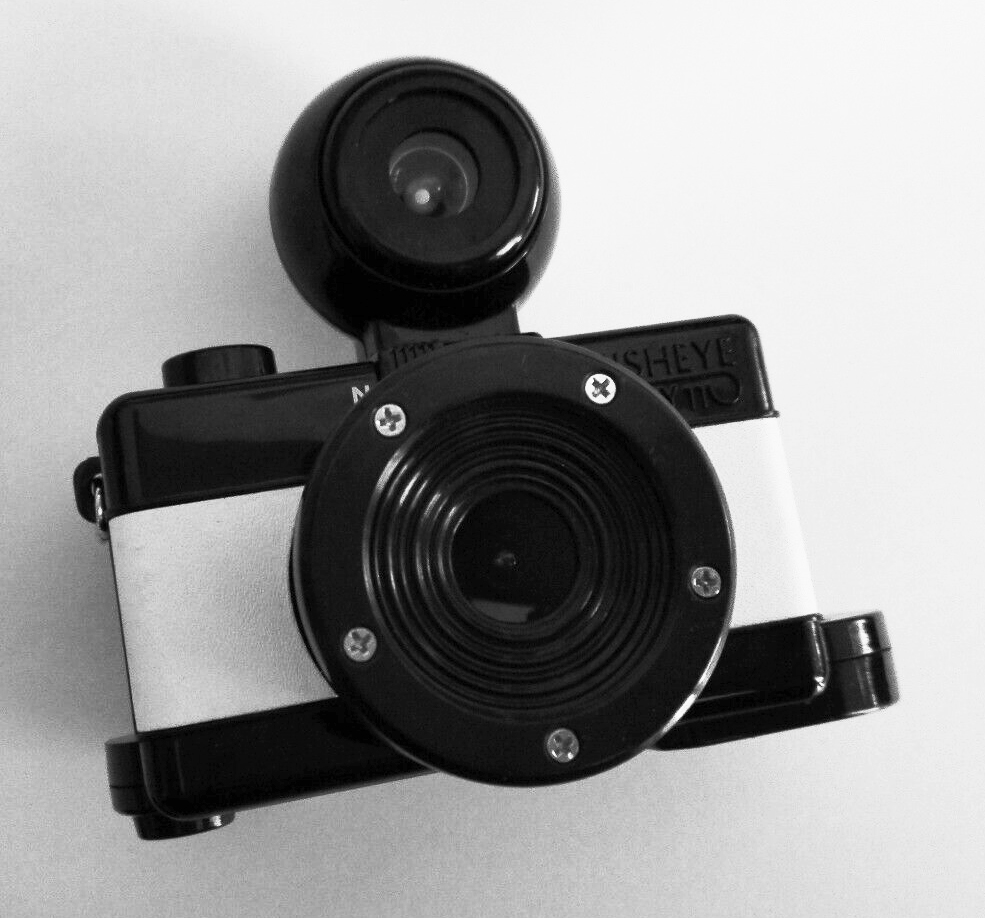
110 format cameras are still being manufactured, such as this Lomo Fisheye 110, which sells for around €30 new.
You will also need suitable reels (either homemade or purchased Jobo 1502 reels -I don’t know of any others) to develop your 110 film at home.
Similarly, if you plan to enlarge your 110 negatives, be prepared for some difficulty finding the right equipment for the job (I haven’t been able to find any).
Expensive films for poor-quality results
You might think that the smaller size of the film would make it cheaper than 35mm film, but that’s not the case: it costs €9 for 24 black-and-white exposures (https://shop.lomography.com/fr/b-w-orca-110-iso-100).
In comparison, 35mm Foma black and white film costs €6 for 36 exposures…
However, 110 format cameras remain very portable and easy to use, and some are beautiful objects, such as the Yashica 16EE and Agfa Optima 500, which resemble harmonicas to fit in your pocket.
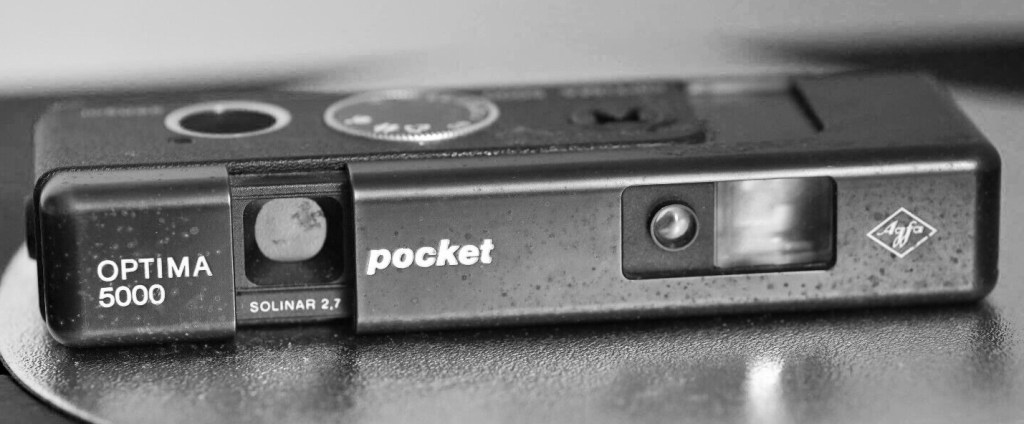
Otherwise, unless you are very undemanding or want grainy, technically outdated photos, I don’t see the point of using this format for serious photography.
Don’t waste your time with 110, invest in a 35mm camera
By investing an extra fifty euros or so, you can easily find a much better 35mm camera that works with film that is 30% cheaper.
Sources :
https://en.wikipedia.org/wiki/110_film




Leave a Reply