

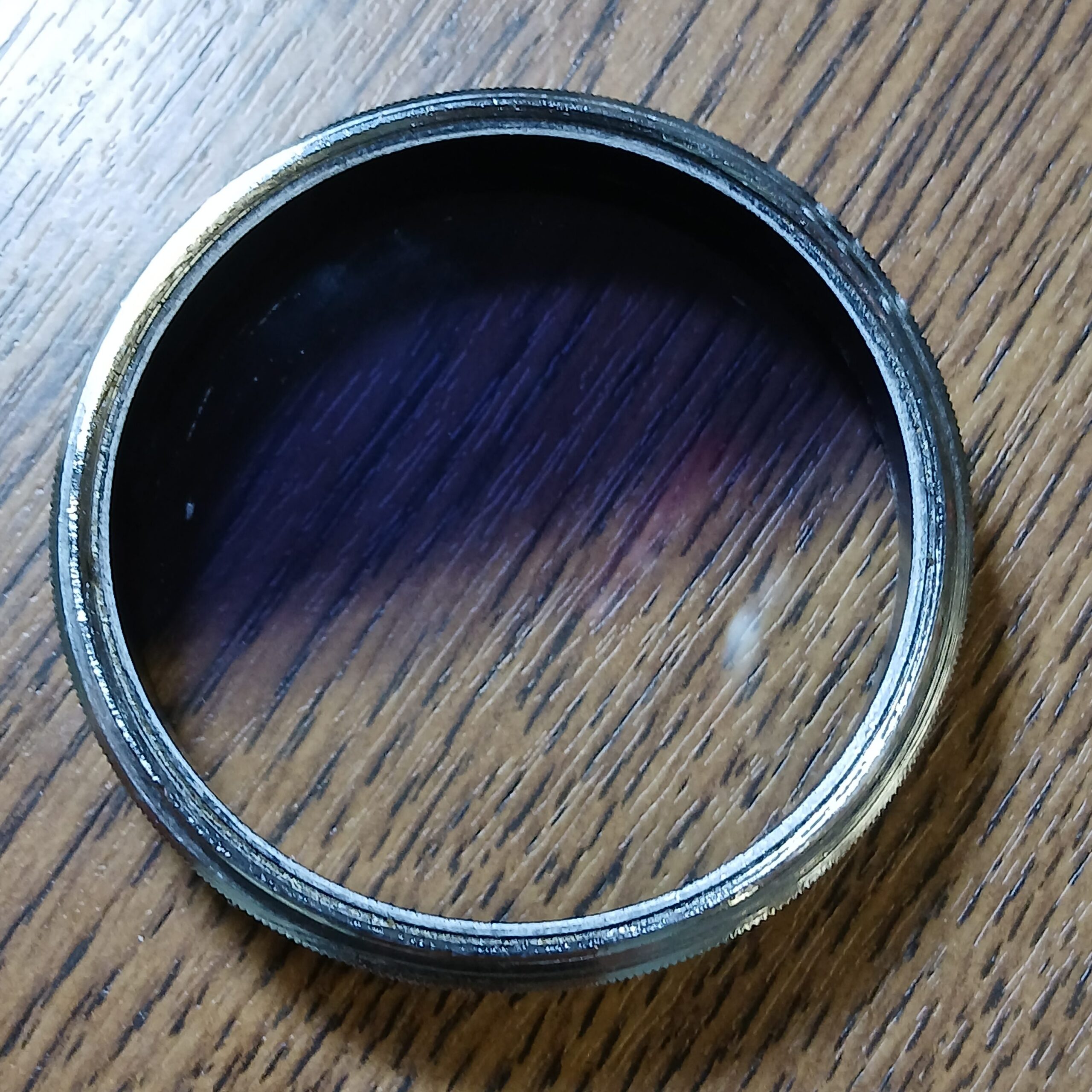

What Is a Graduated Filter?
A graduated filter is a filter that features one colored section (neutral gray or tinted) and another transparent section.
These two areas are separated by a transition line located near the center of the filter.
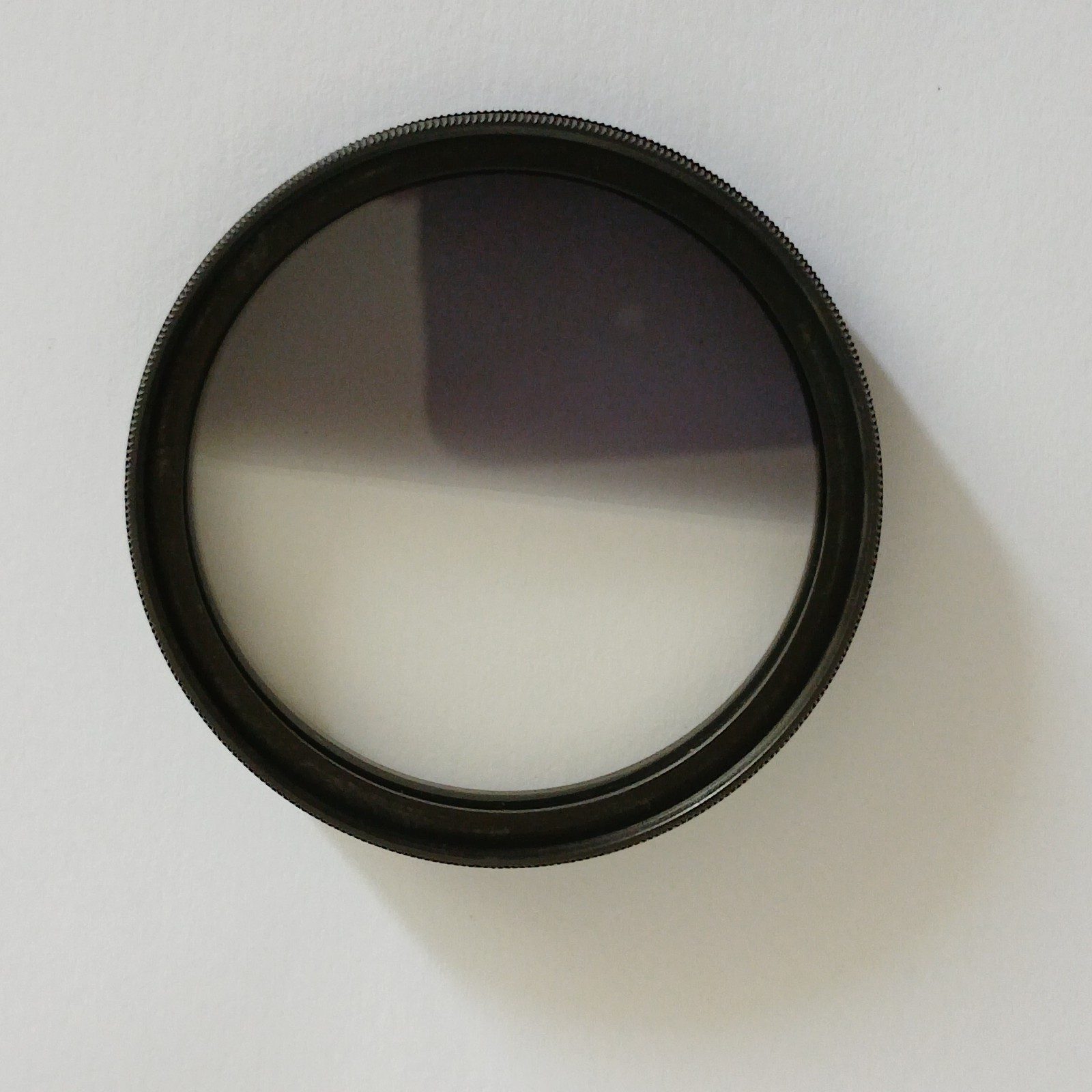
The transition between the two sections is gradual rather than abrupt in order to avoid a harsh visual change in the final photograph.
The Purpose of a Graduated Filter
The Problem with Sunny-Day Photography
When shooting during the day, photographers often face a strong difference in brightness between the sky and the ground.
As a result, you usually have to choose between a blown-out white sky or an underexposed black foreground.
Darkening the Sky to Preserve Details
A graduated filter solves this problem. It allows you to maintain proper exposure for both the sky and the ground by darkening only the brighter part of the scene – typically the sky.
Different Colors and Effects
The colored portion of the filter can come in different shades to achieve different visual effects.
For example, a filter with a red upper section will create more contrast in the sky than a neutral gray filter.
You can also vary the opacity of the upper section to darken the sky more or less intensely.
The Limitations of Graduated Filters
The Problem with Uneven Horizons
Graduated filters are not ideal when the separation between sky and land is not straight.
For example, in mountain landscapes, the horizon line is irregular.
This can result in parts of the mountains becoming unnaturally dark while some sections of the sky remain unaffected by the filter. In addition, the transition line may become visible, creating an unattractive effect.
Limited Composition Possibilities
Keeping the Horizon Centered with Circular Filters
If you use a circular graduated filter, you will generally need to keep the camera level and align the horizon with the center of the filter.
This greatly limits your composition options.
Using a Filter Holder to Adjust the Horizon Line
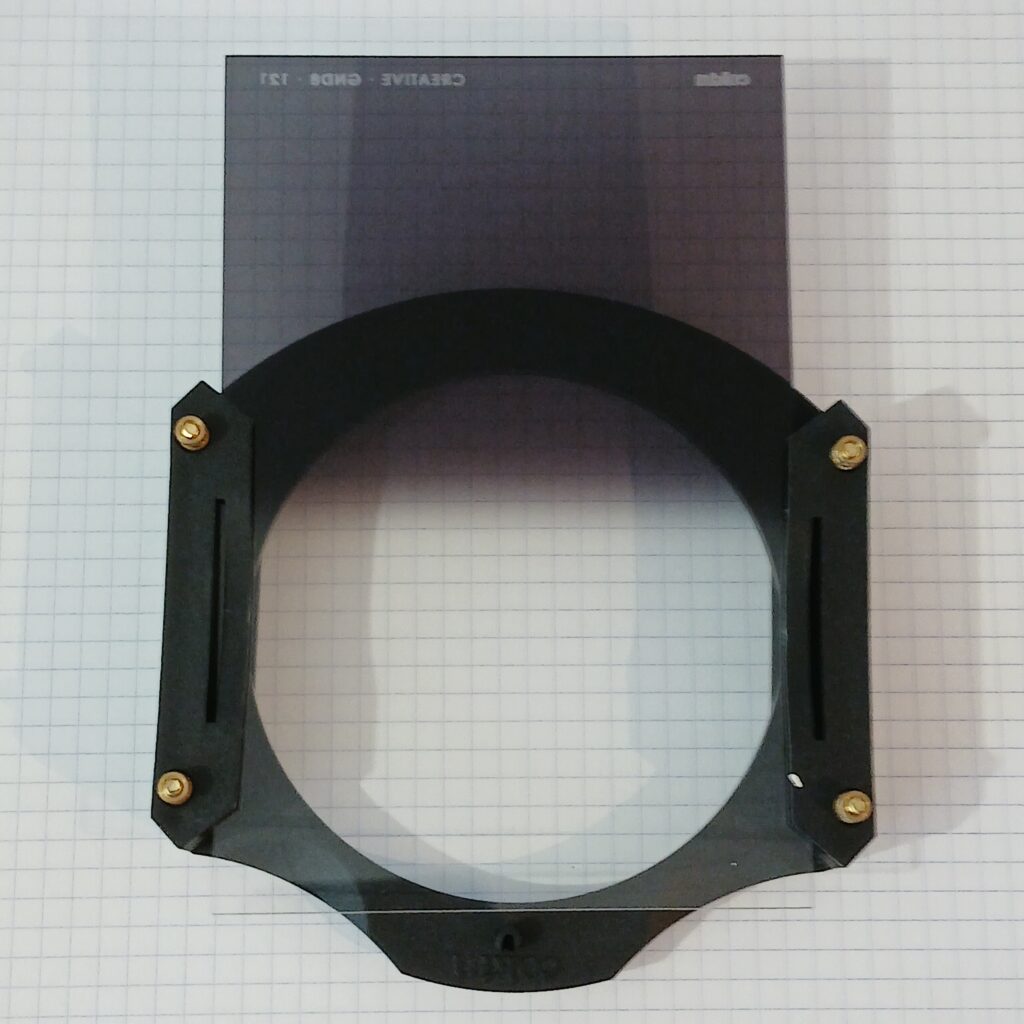
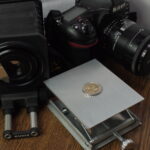
However, if you use a filter holder system, you are not forced to align the filter with the exact horizon line.
You can slide the filter up or down to position the transition wherever you want in the frame.




Leave a Reply