


A Rice Merchant Passionate About Photography
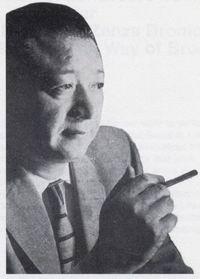
In 1941, Zenzaburo Yoshino worked in his family’s prosperous rice trading business.
But Zenzaburo was also passionate about photography: he owned many cameras (Leica, Contax, Rollei, etc.) and enjoyed studying their mechanical designs.
From there, the idea of building the ideal camera slowly began to take shape in his mind.
The End of the Rice Business and a Career Change
Food Markets Under State Control After World War II
At the end of World War II, food supplies were rationed in Japan.
The family business therefore faced increasing difficulties as its industry became heavily regulated by the government.
A New Project in 1946
Zenzaburo then decided to leave the rice trade behind and move toward new ventures.
Opening a Camera Store
Without the financial means to design and manufacture cameras, he opened a photographic equipment store in Tokyo in 1946, hoping that one day he would be able to finance his dream project.
And Manufacturing Simple Luxury Items
As early as 1947, the company expanded beyond retail by producing small luxury goods (cigarette cases, jewelry, makeup boxes, then watches, bags, and accessories) that proved especially popular with American occupation troops.
Mid-1950s: The Birth of Bronica
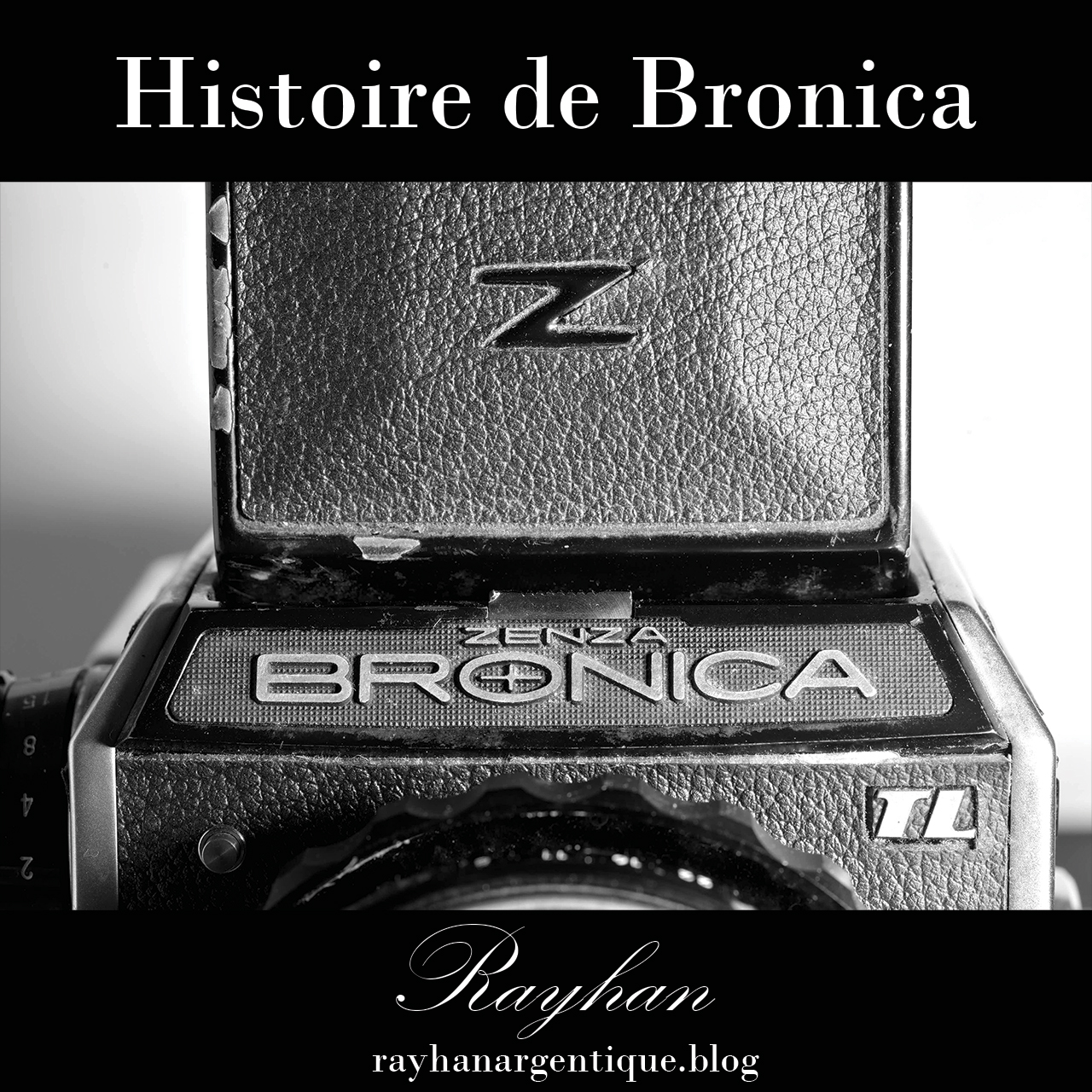
By the mid-1950s, thanks to the growing expertise of its staff and the development of its manufacturing capabilities, the company embarked on the ambitious project of creating a camera and adopted the name Bronica.
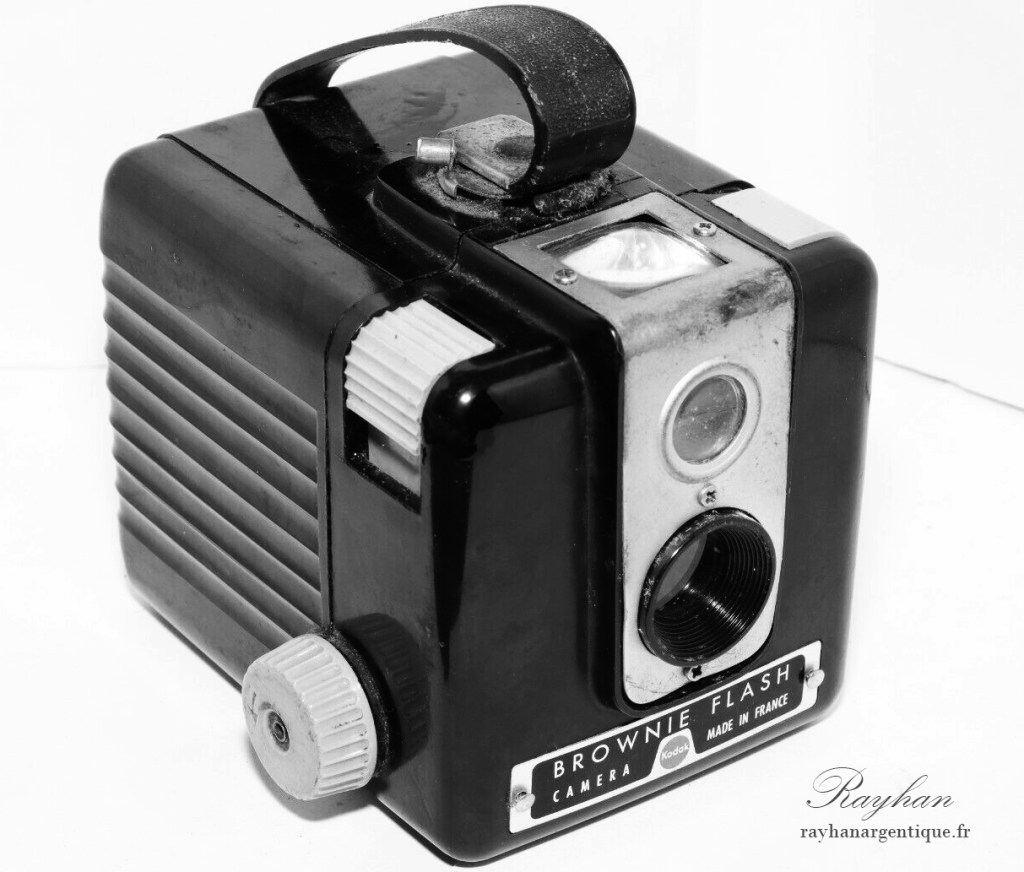
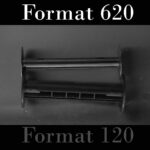
Bronica comes from the contraction of Brownie (a Kodak camera using 120 film format) and camera.
Kodak Brownie camera
Zenzaburo Yoshino’s vision was to create a medium format camera with a square 6×6 image ratio. It had to allow through-the-lens viewing, be portable, high-performing, versatile, and as simple as possible to use.
Bronica completed its first prototype in 1956 before launching the Zenza Bronica Z in 1958.
The Z was quickly replaced by the improved Zenza Bronica D and later the S.
The Best Technology of Its Time
The instant-return mirror, maximum shutter speed of 1/1250th of a second, and numerous mechanisms preventing user errors were groundbreaking features for such a camera in 1958.
And in addition to offering a more advanced specification sheet than its main competitor, the Hasselblad 500C (1957), the Bronica Z – followed by the more reliable D and S models – was also significantly less expensive.
A Well-Executed Communication Strategy
But having the best product is not enough – people also need to hear about it.
And in that regard, Zenzaburo Yoshino proved particularly skillful.
The camera produced by this small company, still unknown in the photography world, quickly built a reputation for itself, especially in the United States where Japanese cameras were already highly appreciated.
Success in the 1960s and 1970s
Bronica achieved commercial success with the Bronica S and its successors.
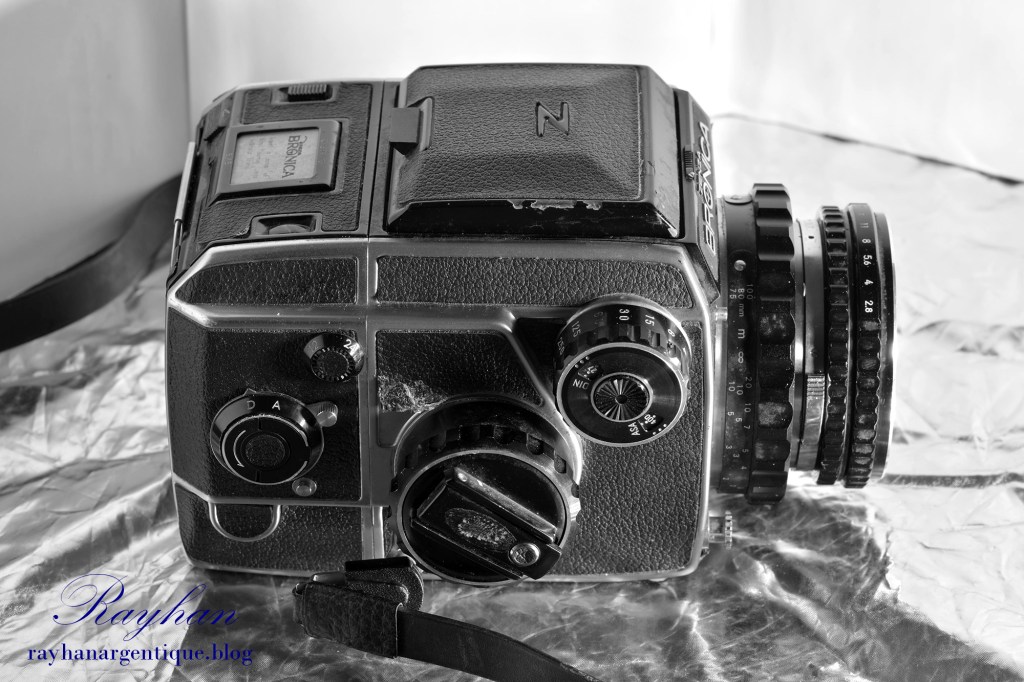
The peak came in the mid-1970s with the Bronica EC, the culmination of the S series in terms of both reliability and technical performance.
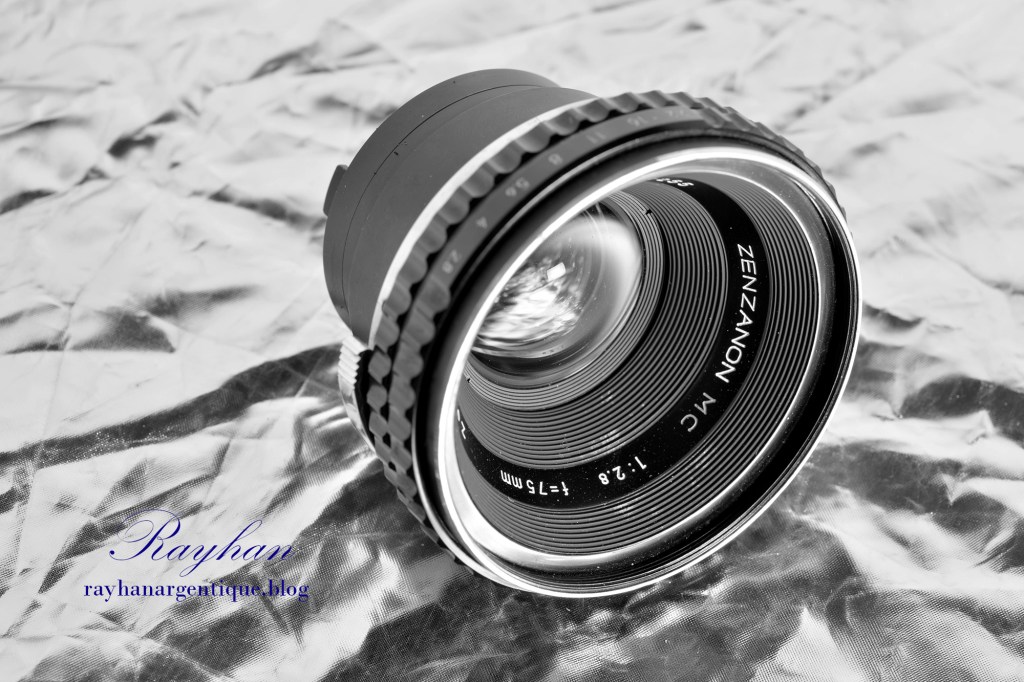
Before manufacturing its own lenses in the mid-1970s, Bronica relied on other manufacturers (mainly Nikon, but also Komura, Topcon, Norita, and even Carl Zeiss Jena for a short period).
Limited Resources That Eventually Became Fatal
Market Evolution in the 1980s
Photographers Wanted New Image Ratios
The market evolved during the 1980s, and photographers increasingly wanted image ratios other than the 6×6 format previously offered by Bronica.
Bronica Introduced New Models
Bronica therefore introduced additional models with different image ratios, such as the ETR series (6×4.5) in 1976 and later the GS-1, a multi-format camera (6×4.5, 6×6, and 6×7) released in 1983.
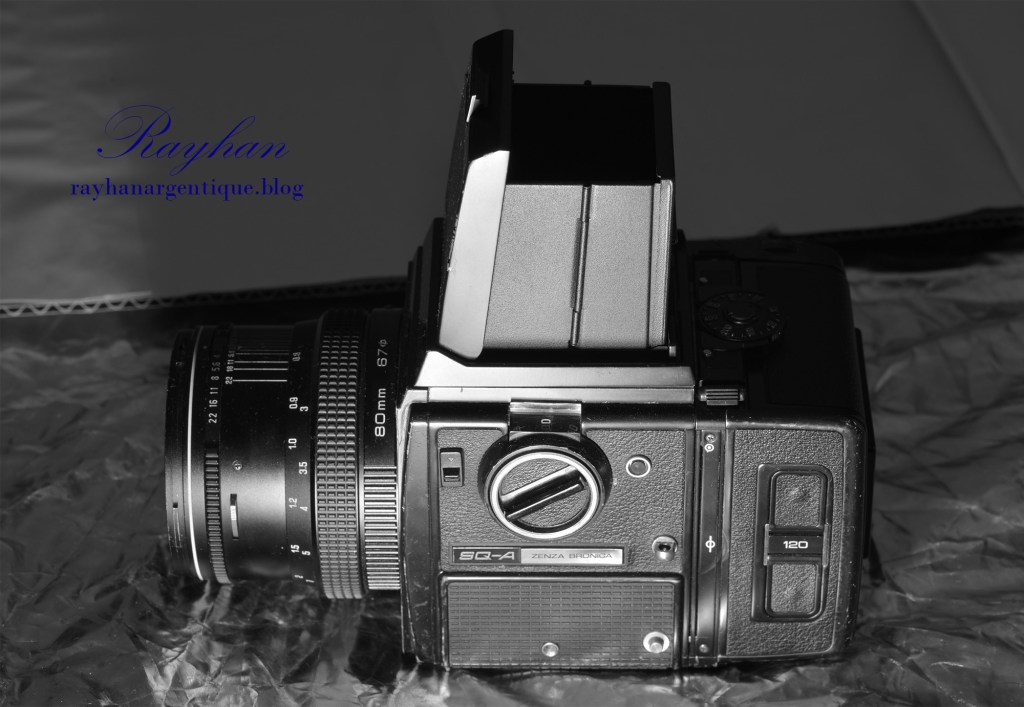
The Bronica SQ (6×6 format), a lighter and more compact successor to the S series, never achieved the same success as its predecessor.
All of these cameras continued to be produced and improved until the early 2000s.
Mixed Results
However, aside from the ETR series, none of these cameras achieved the expected commercial success.
The Death of Zenzaburo Yoshino in 1988
The death of the company’s founder in 1988 and the loss of his creative vision likely weakened the brand’s ability to reinvent itself.
Decline in the 1990s and 2000s
Missing the Digital Transition
From the 1980s onward, the brand gradually declined and lacked the financial resources needed to transition into digital photography, unlike Hasselblad which continues to manufacture cameras and lenses today.
The Failure of the Bronica RF645
Even the Bronica RF645 – one of the most compact medium format cameras ever released, launched in 2000 – failed to save the brand.
Bronica Acquired by Tamron
Bronica was acquired by lens manufacturer Tamron in 1998.
After the commercial failure of the RF645, Tamron discontinued the Bronica brand in 2005.
Using a Bronica Today
Used Bronica cameras can still be found today. These cameras continue to produce beautiful images comparable to the best modern equipment. However, replacement parts for these cameras have become increasingly rare…
Sources:
https://www.jcii-cameramuseum.jp/academy/museum-lectures/2010/12/11/7261/
https://ja.wikipedia.org/wiki/%E3%82%BC%E3%83%B3%E3%82%B6%E3%83%96%E3%83%AD%E3%83%8B%E3%82%AB
https://petapixel.com/bronica-history/
https://rangefinderforum.com/threads/the-zenzanon-lens-saga-part-1-why-did-nikon-really-stop-making-lenses-for-bronica.4757645/





Leave a Reply