


Don’t Be Afraid of the Rain
It rains, people open their umbrellas, put on raincoats, or decide to stay home.
Photographers who are afraid of damaging their gear stay inside, while those who love beautiful images go out and face the elements.
There are means to protect your gear from the rain
It is of course important not to damage your gear. Rain can harm your equipment, whether by affecting the electronics of your camera or seeping into your lens.
Some cameras and lenses are weather-sealed and designed to withstand rain. Even then, using a UV filter is still a good idea to protect the front element.
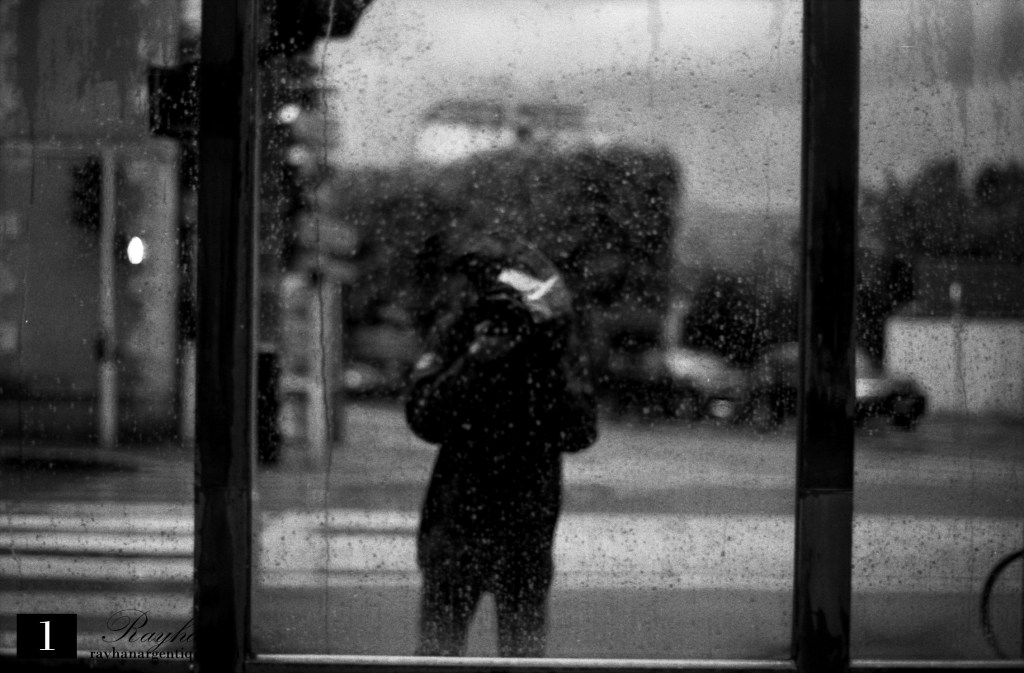
There are also ways to protect your equipment: you can buy protective sleeve if your gear isn’t weather-sealed, and use a UV filter to protect your lens.
That’s what I do with my old film cameras.
A Moment to Not Miss
Unlike sunsets, rain is a moment that is relatively under-photographed.
My idea of photography is that it should offer new images, not repeat or slightly vary what has already been photographed a thousand times.
So for me, rain isn’t a nuisance but an opportunity.
You need to observe your surroundings carefully and know where to look to find the opportunities this weather condition offer.
What Rain Changes in Your Images
Reflections on the ground, raindrops falling and sliding across windows and walls, beads of water settling on flowers… Rain can radically change the nature of a scene or a place.
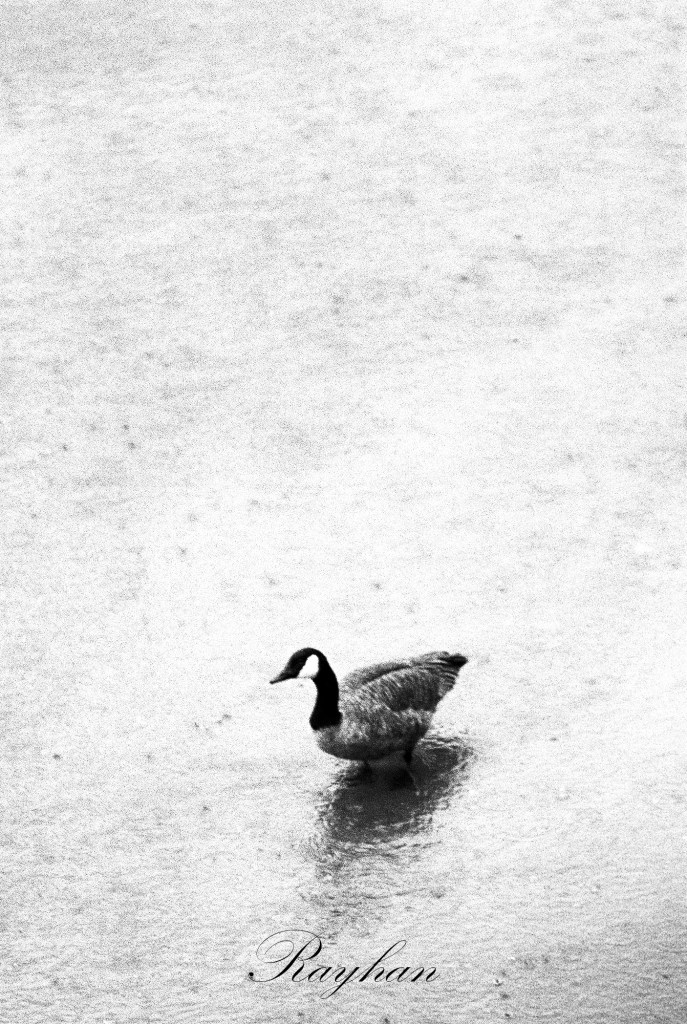
New Patterns
Rain brings life to otherwise monotonous environments. A flat, boring concrete surface can become visually interesting in the rain: raindrops hitting the ground, puddles forming.
Reflections
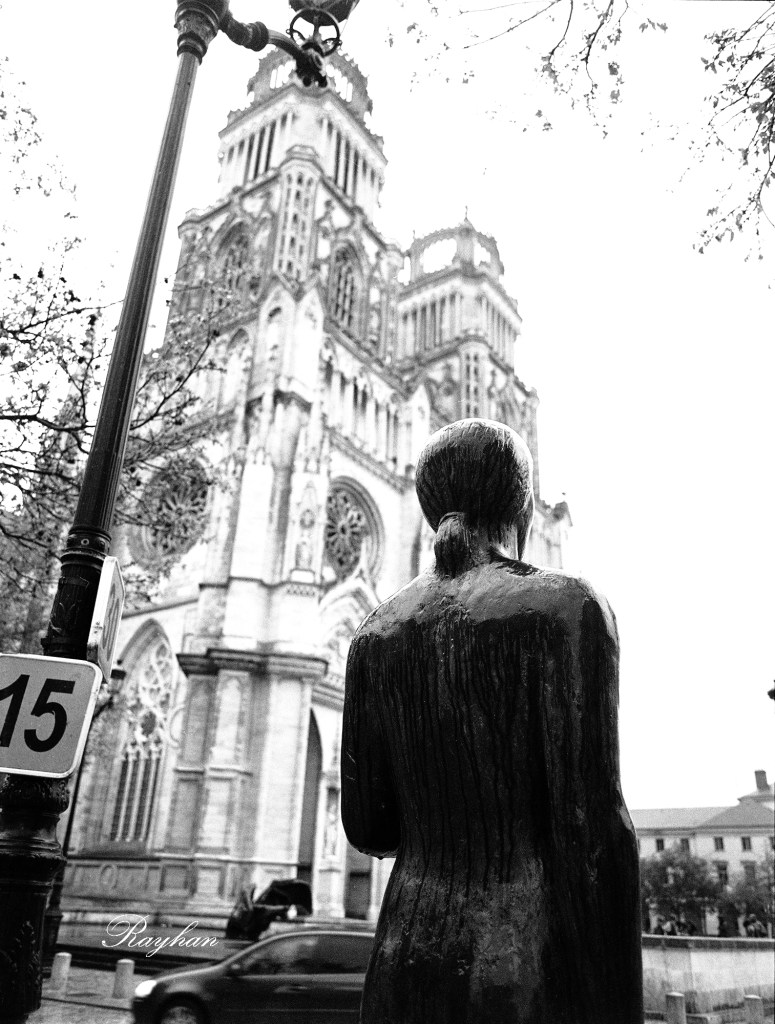
Reflections forming in puddles, and light sources stretching across wet ground, offer new creative possibilities.

Water droplets resting on flowers, animals reacting to the rain. Nature appears differently in those conditions and offer good photographic opportunities.
How to Photograph Rain
Choosing the Right Shutter Speed
It would be a shame to shoot in the rain, go home, and realize that the falling rain isn’t even visible in your images.
Freezing falling raindrops
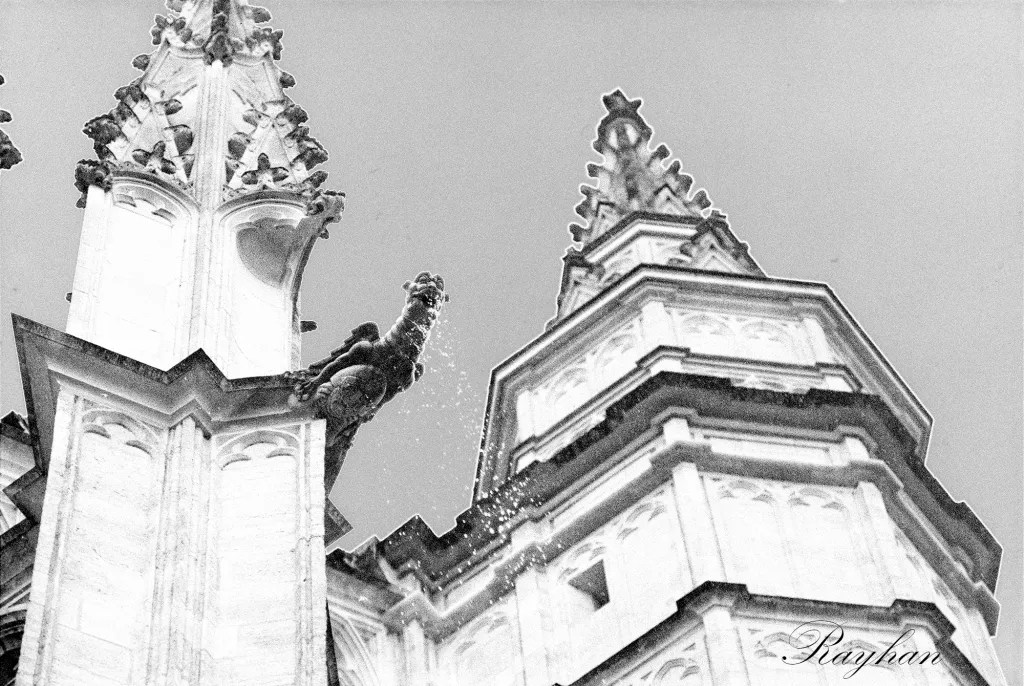
Shutter speeds that are too slow won’t capture falling raindrops. These moments last only a fraction of a second. Only fast shutter speeds can freeze them (at least 1/250 second).
Do not hesitate to raise ISO and open the aperture. The goal is to capture motion, not to achieve the highest image quality.
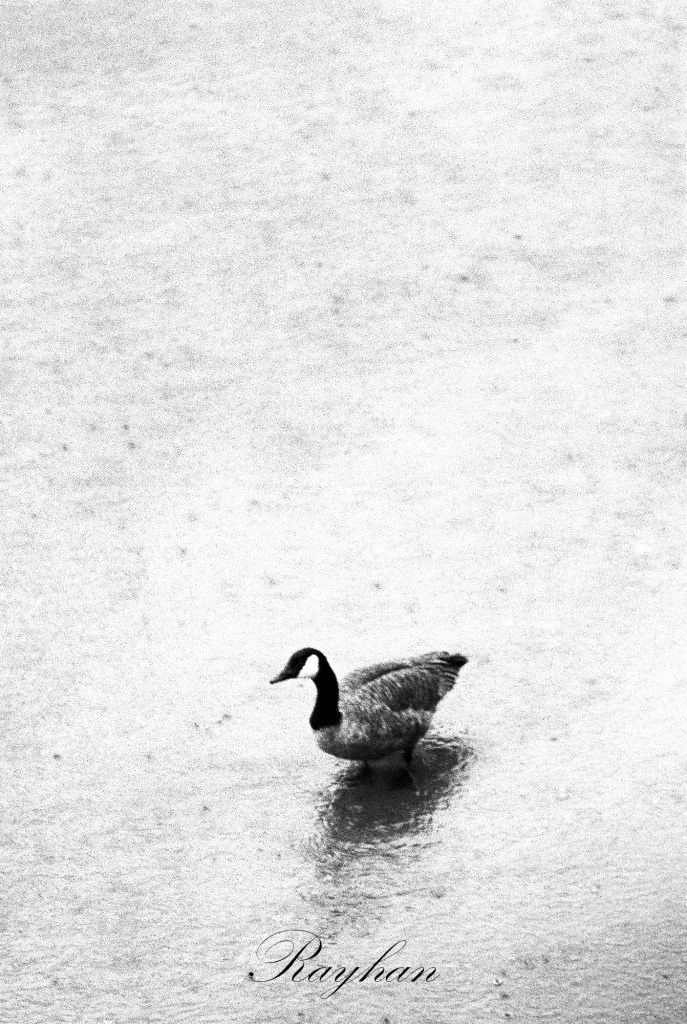
Seeing the impact of raindrops on water makes the weather tangible and gives the image more impact.
Having a camera with a high-performance shutter is a plus.









Leave a Reply