

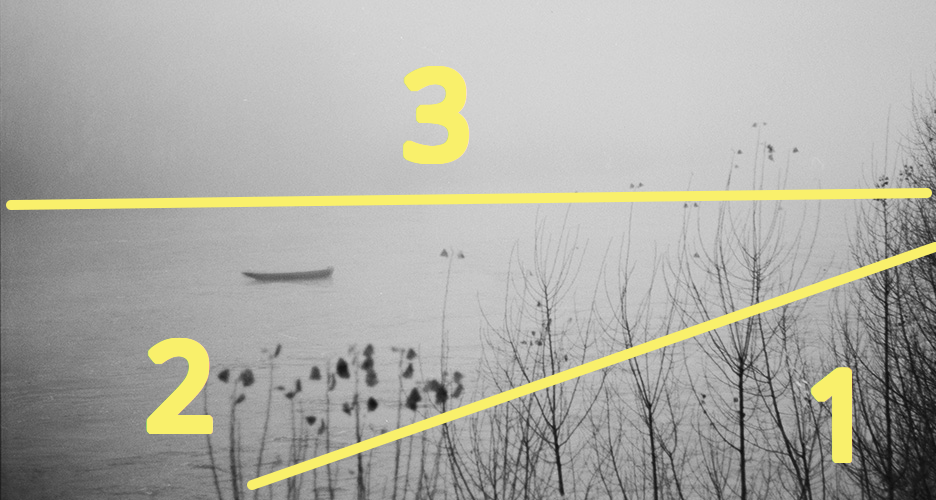

Why is composition important in photography
To take a photograph, all you need is a camera and being there.
But to take a good photograph, not just a documentary one, you need to achieve a good composition.
What is composition ?
Composition is the art of placing the elements of a scene in the right place and at the right angle on your images.
The meaning of a scene can drastically change depending on the composition. With the composition, a photographer expresses his artistic vision, telling their own story about a scene.
Mastering it will enhance your photographs, making you a photographer rather than just anyone using a camera.
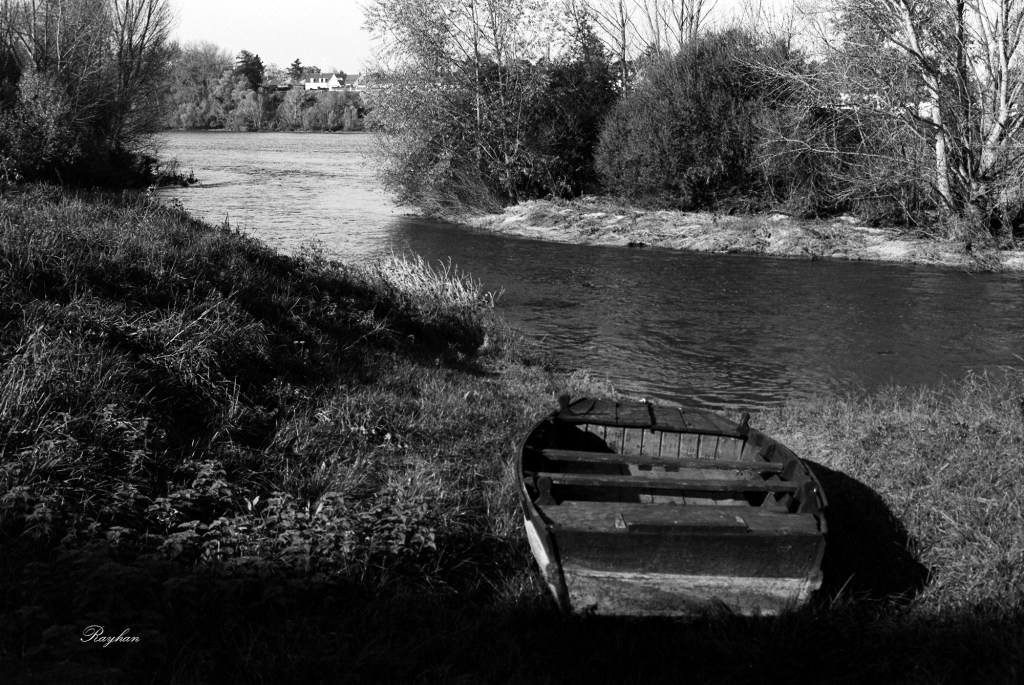
Basic questions to ask yourself when composing an image
To help yourself find the right composition, there are recurring questions you can ask yourself:
Before starting to compose : What is the important thing in this scene ?
It is the first question you have to ask yourself while taking a picture : what do I want to show ?
Indeed, composing is not just the art of making things look good, it is about telling a story.
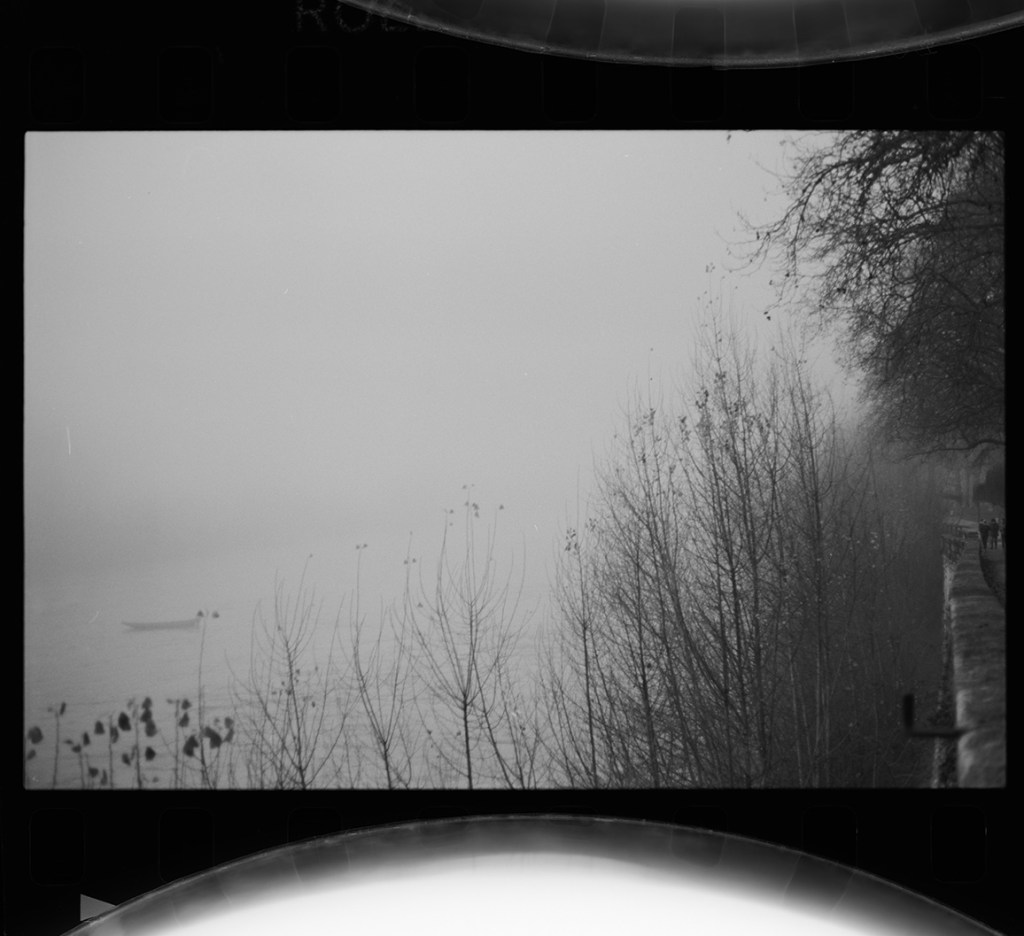
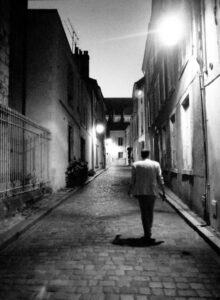
Something is not right with this composition. Can you see it ?
You can retrieve a detailed analysis of this photograph in this contact sheet :
https://electrocroissant.art/en/contact-sheet-1-the-loire-and-the-mist-1-3/
How can I make this look important ?
Put it at the center of the image ?
At the end of the road ?
Isolating it or putting it in context ?
There are no objective answers. Every photographer has their own vision. Each will see different things and find their own way to tell a story.
This creative freedom is why photography is an art and not just craftsmanship.
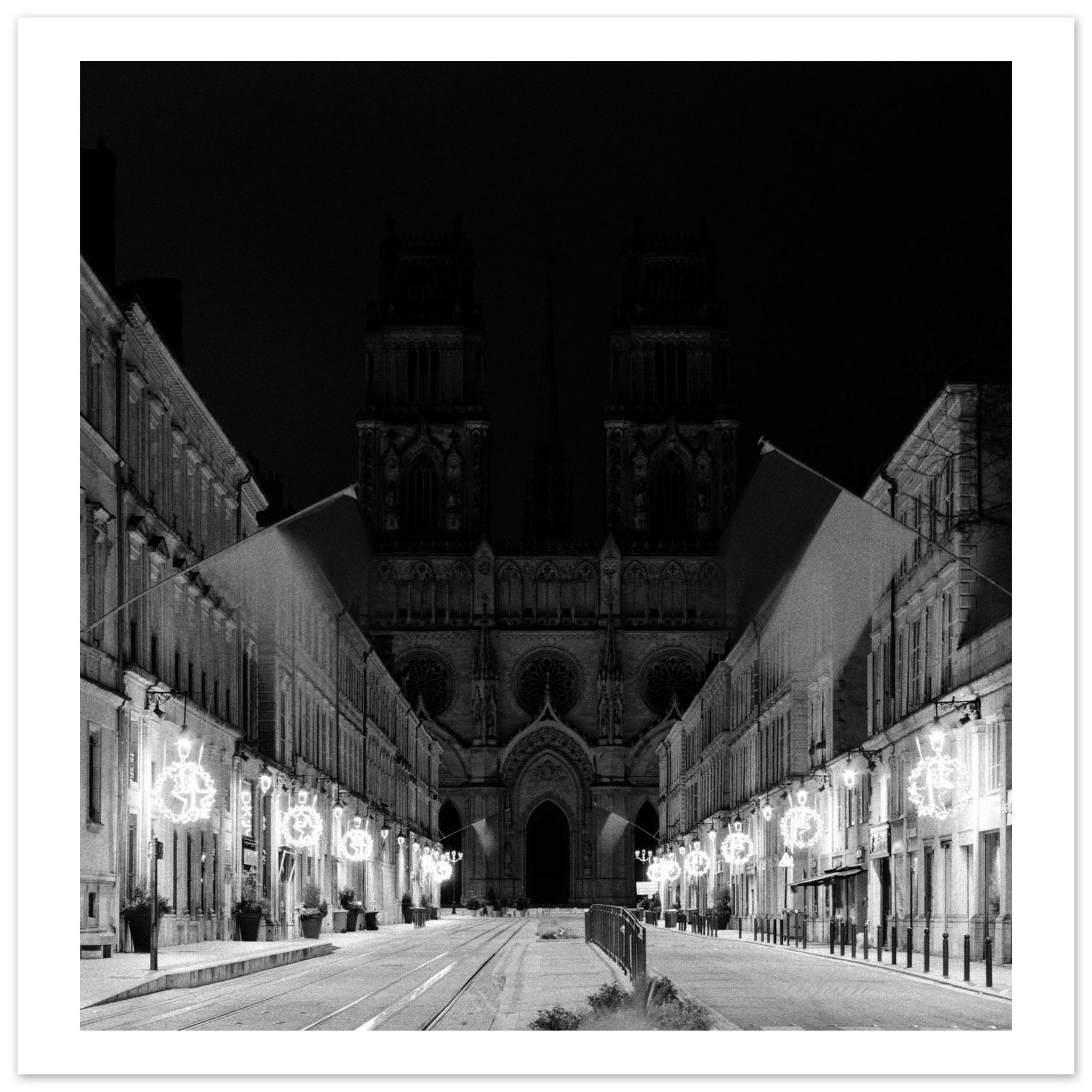
Composing an image does not stop at the framing moment
Framing is just a part of the process of creating an image.
Reworking your images on the computer or under the enlarger is an essential part of creating an image and develop what you want to say.
Re-framing the picture
Re-framing a picture is essential. Sometimes the perspective is right, but there is an element that you don’t want to appear on your images. Sometimes you want to place an element at a place of the frame to make it visible.
Some people don’t like to re-frame. For me, it is an essential part of building an image. It allows me to express more precisely what I want to say.
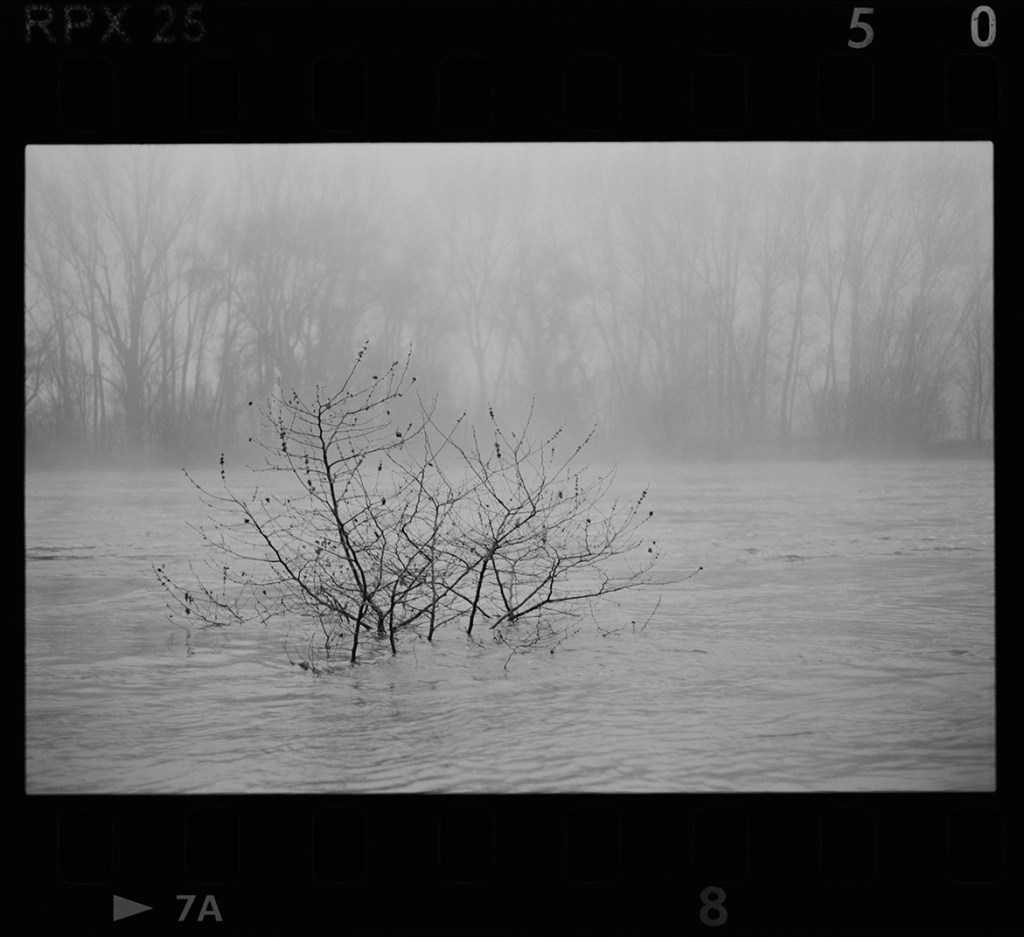
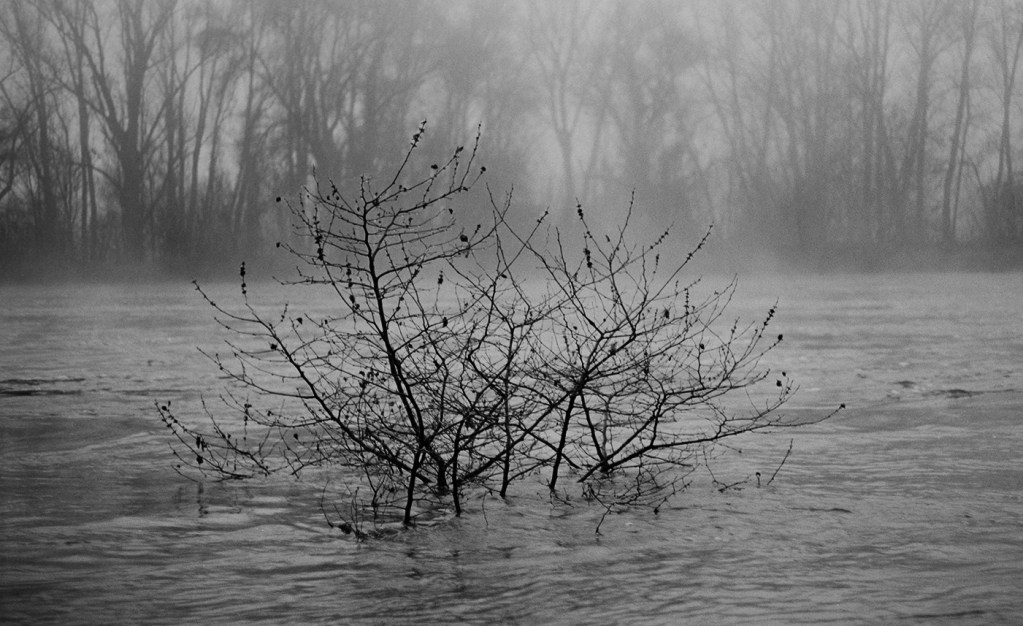
When used with care, re-framing and retouching are powerful tools to enhance a photograph.
Retouch the photograph
Retouching a photograph is not about changing drastically the image- for example, adding an element that was not there.
No, like re-framing, it has to be used to refine your vision of the scene.
For example, increasing the contrast of an image to show that a storm is coming.
Or dodging someone’s face to make it stand out.
Or saturating the colors to make it look joyful.
Creating an image never ends at the framing point, there are ALWAYS things to improve after.
It takes time to be good at composing an image
You first need to educate yourself : go to the museum to see paintings or look the work of great photographers. Analyze them and take conclusions.
Try to apply what you have learned and analyze your own photographs to see what can be done better.
If you want to go further on this topic, I publish once a week a “contact-sheet” where I analyze and explain my photographs.
You can see the first one for free and subscribe for those which will come here :
http://electrocroissant.art/en/contact-sheet-1-the-loire-and-the-mist-1-3

Leave a Reply