


Two Pseudo Scientific Concepts that Youtubers Are Fond Of
I am done seeing videos on youtube using dubious concepts like the so-called golden ratio or rule of thirds claiming to teach you composition in photography.
Without further ado, I tell you: these rules and other mathematical patterns are a scam. They won’t make you a good photographer. The assertion that they are a universal standard of beauty found in nature is false and has no ground.
These two rules are not to be taken seriously or literally. I advise you to ignore them and avoid lessons from those who treat them seriously.
Two Useless Rules
My experience
As a fine art photographer, I’ve never needed to overlay the rule of thirds or the golden ratio on my pictures to get them right.
In fact, when I frame, I simply don’t think about them. The same applies for post processing.
I have written tens of thousands of words about composition in photography in the contact sheets or various posts on ElectroCroissant. Correct me if I am wrong, but I don’t mention those “rules” even once.
This just goes to show you how important these so-called rules which seem to obsess a lot of youtubers actually are.
The Golden Ratio and the Rule of Thirds have no Influence in Painting
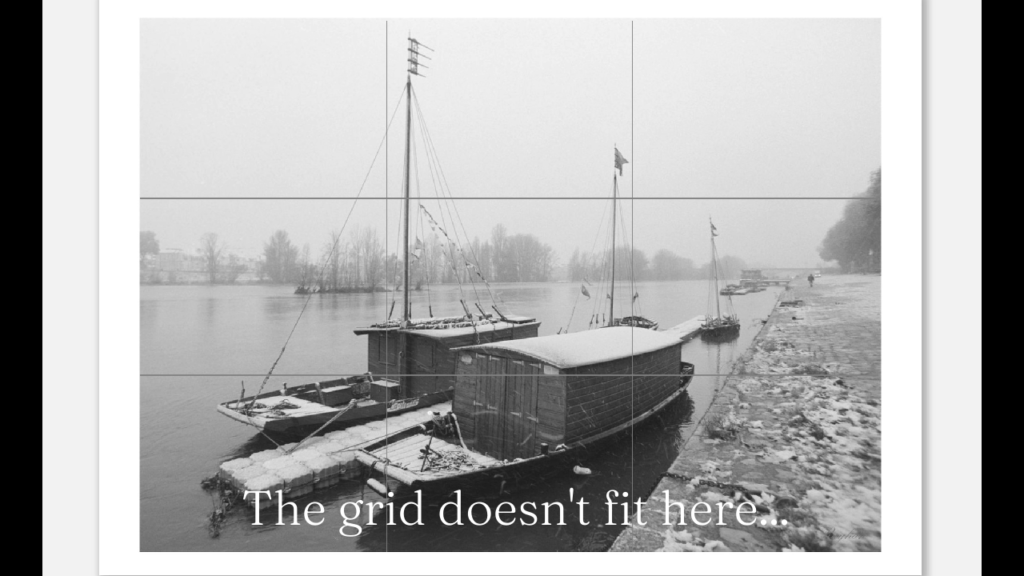
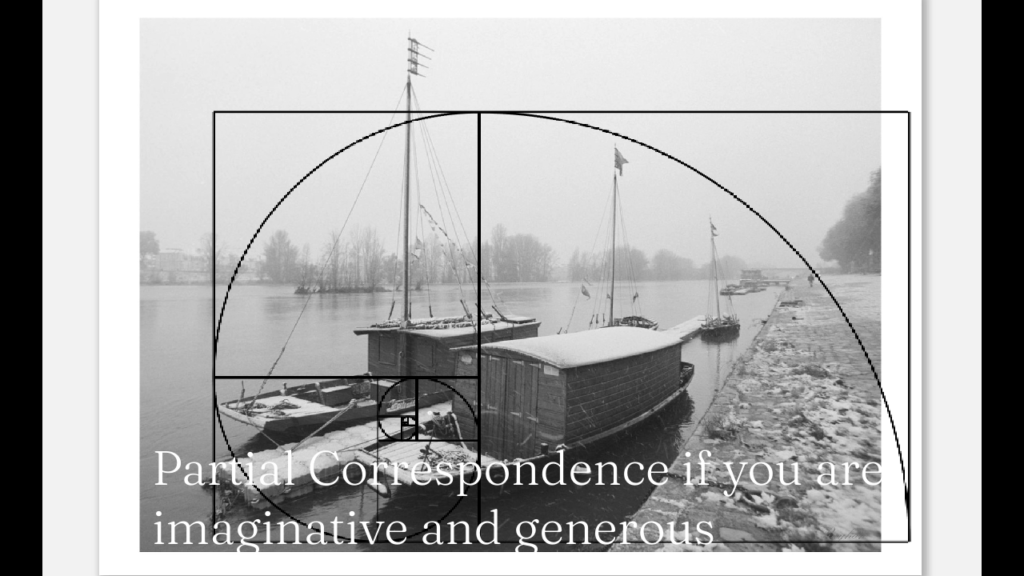
Another legend is that great painters, consciously or instinctively, use the golden ratio or rule of thirds. That is false. At best, there is a vague correspondence if you are imaginative. Most of the time, they simply don’t match.
It is true that some painters such as Da Vinci or Dürer TRIED to find “perfect” mathematical patterns for composition. But on the other hand, philosophers like Giordano Bruno argued that art couldn’t be imprisoned in mathematical rules.
A serious painter will think about their subject and the best way to express it in a harmonious manner. Sometimes it may end up with some pattern that may look vaguely like the rule of golden thirds, but is purely anecdotal or coincidental.
You are wrong if you think a serious painter, photographer or even an architect dogmatically applies or even thinks about a specific pattern when choosing a composition for their work.
Or if they choose do it, they do so for their own pleasure, not because a strange force of nature prompted them to do so.
Golden Ratio and Rule of Thirds are a Bad Dream
Inventing rules because some people see, or should I say, hallucinate patterns they want to see is fallacious.
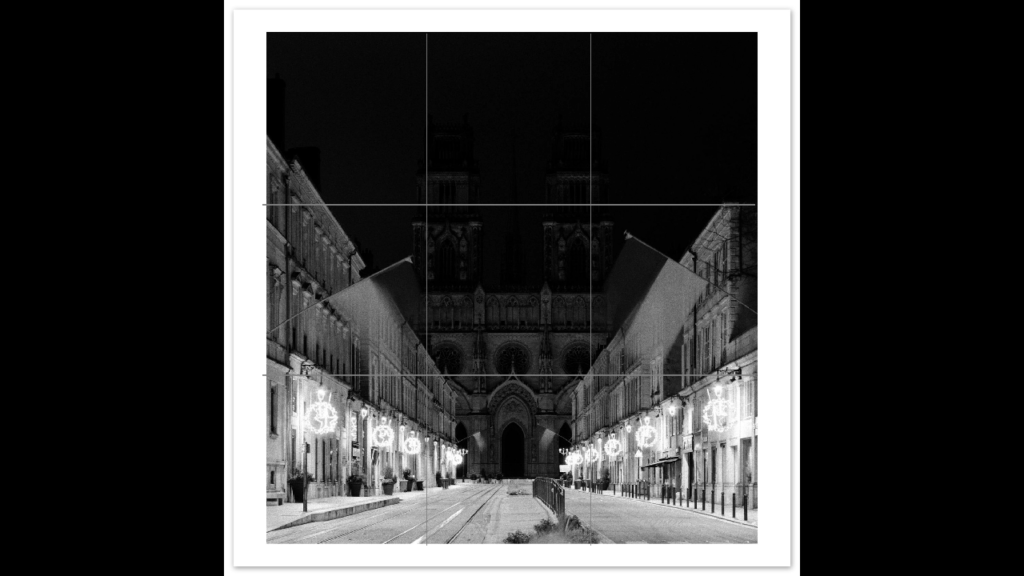
There are no such rules when taking a picture. At best, these are anecdotal recurrences that are of no use to you.
Some people dream of rules that make good pictures magically. And they take their dreams for reality. Wouldn’t it be terribly boring if such rule existed? Where is the beauty of the art if things are that easy?
If you want to improve your composition skills, take time to learn composition seriously. It is like everything: being good at something requires learning.
Of course, there are principles of composition that I teach, but the golden ratio and rule of thirds have clearly have no place among them.
An Analogy with Literature to Demonstrate the Absurdity of these Rules
Imagine a guy who comes out of nowhere and tells you: “most of the best books in history have 200 pages and are divided in 2000 words chapters. So if you use this structure, you have a much better chance of being a great writer.” How seriously would you take him?
These books are good because of the interest people have in the subject or the quality of the text, certainly not because of the way the book is organized! Some great books certainly have a quite unique structure!
The same goes for composition in photography. The golden ratio or any other pattern are not relevant to making a good photograph.
Various Studies Confirm that the Golden Ratio Is Rubbish
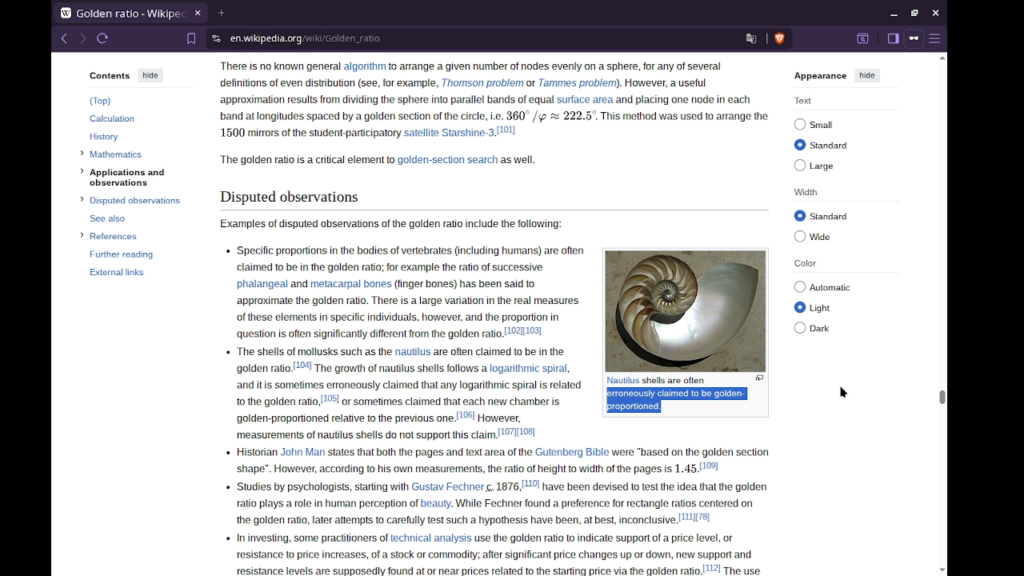
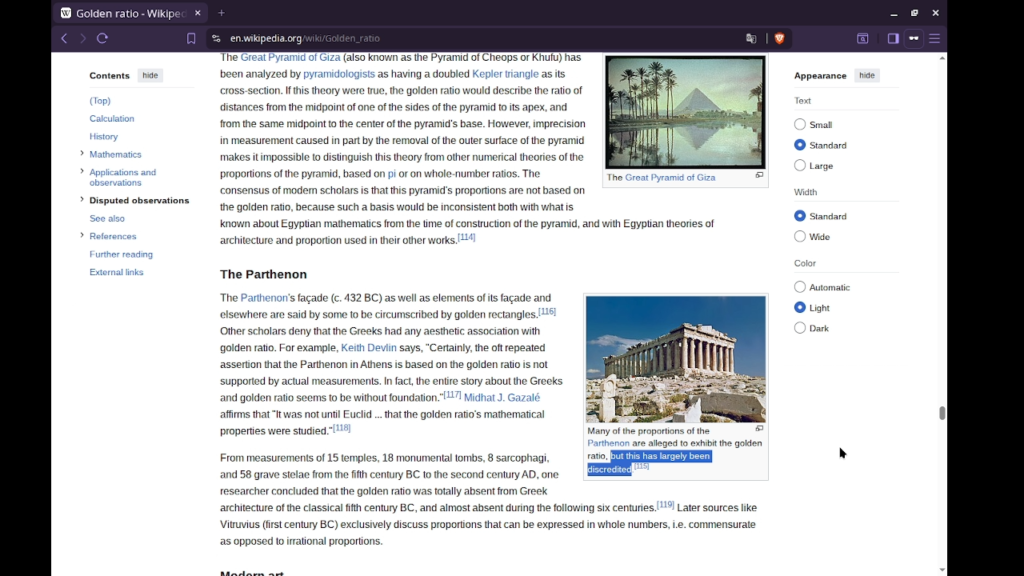
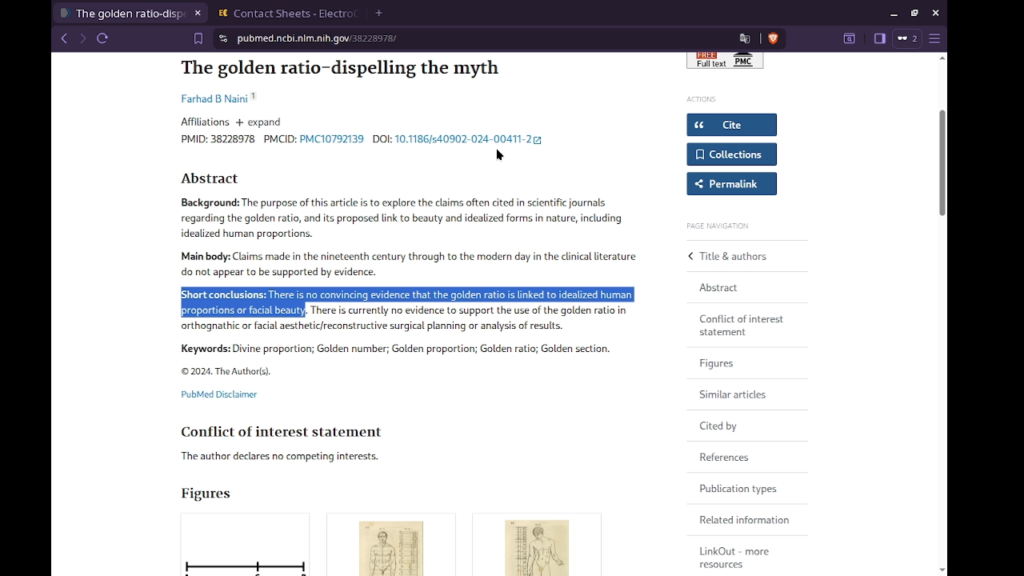
And to drive the final nail into the coffin, numerous studies about the golden ratio were done and they all say the same thing. The golden ratio as a universal standard of beauty is rubbish.
Don’t Suffer from Apophenia: Learn Composition Seriously!
In English, apophenia is defined as the tendency to perceive meaningful connections, patterns, or interpretations between random, unrelated, or meaningless things.
This is what the golden ratio and the rule of thirds lovers suffer from: apophenia.
I understand that some of you may be disappointed that such magical hacks to make great photographs do not exist.
But as an experienced fine art photographer, I can confirm to you that each situation necessitates a specific framing. In fact, what is expected from you is to find your OWN way of telling the story you see.
And not to achieve a generic picture relying on idiotic and arbitrary rules.
Learn Composition with the Contact Sheets Posts
If you want to stop wasting hours watching videos such like “x techniques to” or “the secret to etcetera” that keep you stuck in the same place, I’ve got a solution.
I offer lessons that will teach you the foundation of the art of composition with concrete examples. Instead of hacks you’ll forget within an hour, you’ll be shown the inner mechanics of how a photograph is made. You’ll understand the logic -like composition principles- that will allow you to create your own photographs instead of relying on hacks that do not work.
So, if you really want to learn what composition is, you can read the contact-sheets on Electrocroissant. They are accessible for a thousand dollars- no I am joking. You can access all of them for just 8$ a month. And if you are not satisfied with the content, you’ll get a full refund if you cancel your subscription within the first three days.
Read an excerpt of the first Contact Sheet.
Corresponding video on the youtube channel (there are some variations, though): https://youtu.be/twOVuzZOhlI
Leave a Reply