


Introduction
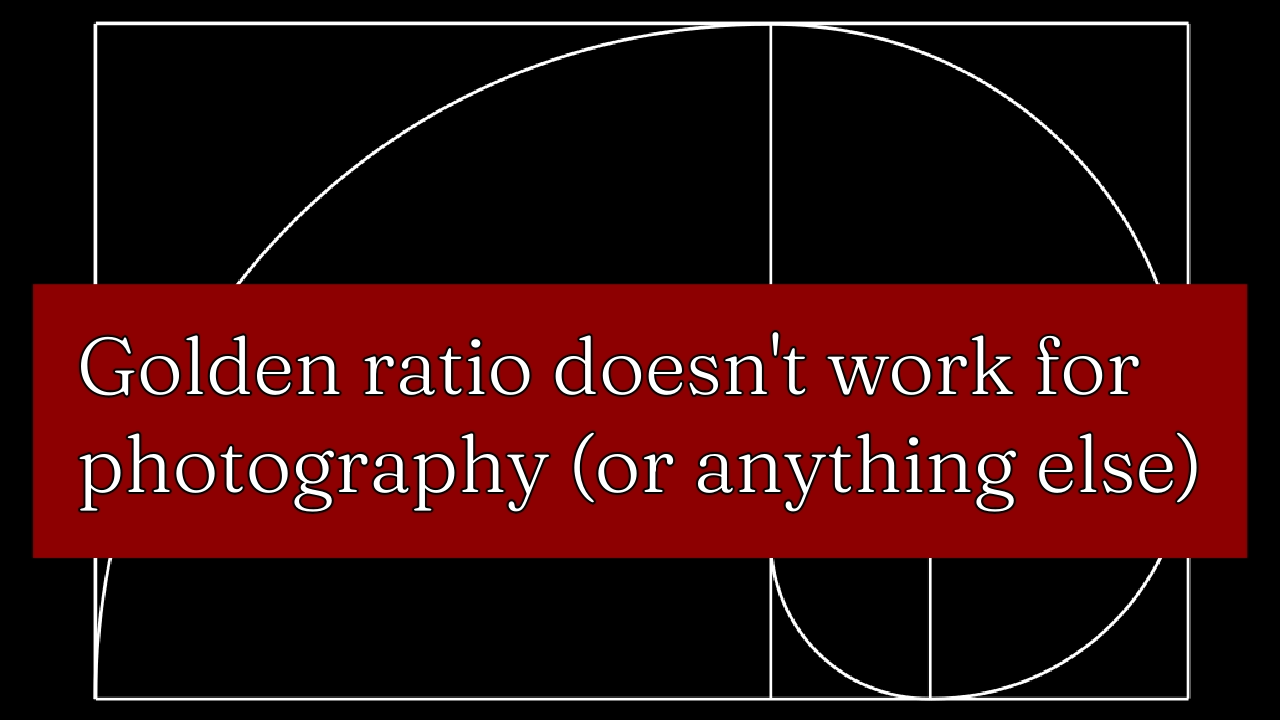
The golden ratio, whether I like it or not, is one of the first thing many people think about when it comes to composition in photography.
In this post I’ll try to find out whether the golden ratio is a universal standard of beauty in photography or just cultural (a trend if you prefer).
Universal and Cultural
But what is the difference between universal and cultural?
Something universal should work for everyone, regardless of culture or historical period.
Something cultural is specific to a particular group of people at a particular time.
Universal Or Not? What Scientific Studies Say About The Golden Ratio
First, scientific studies have confirmed that the golden ratio is NOT a universal standard of beauty or a recurring pattern in nature.
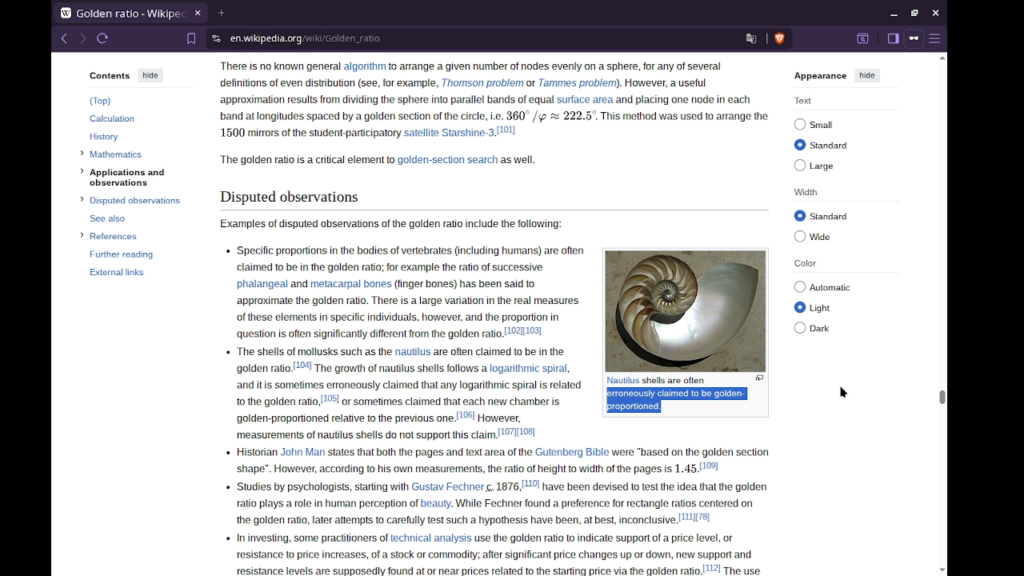
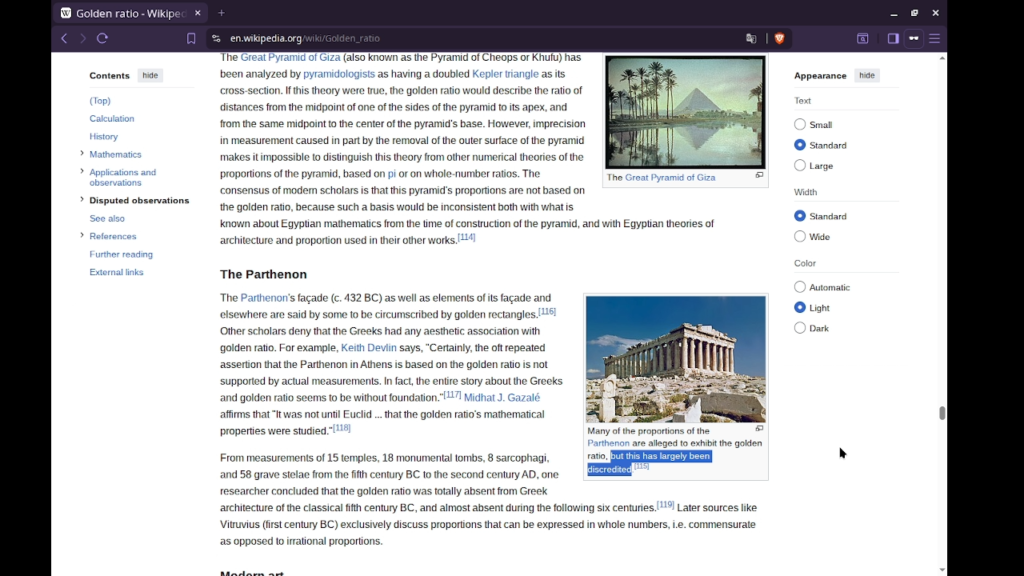
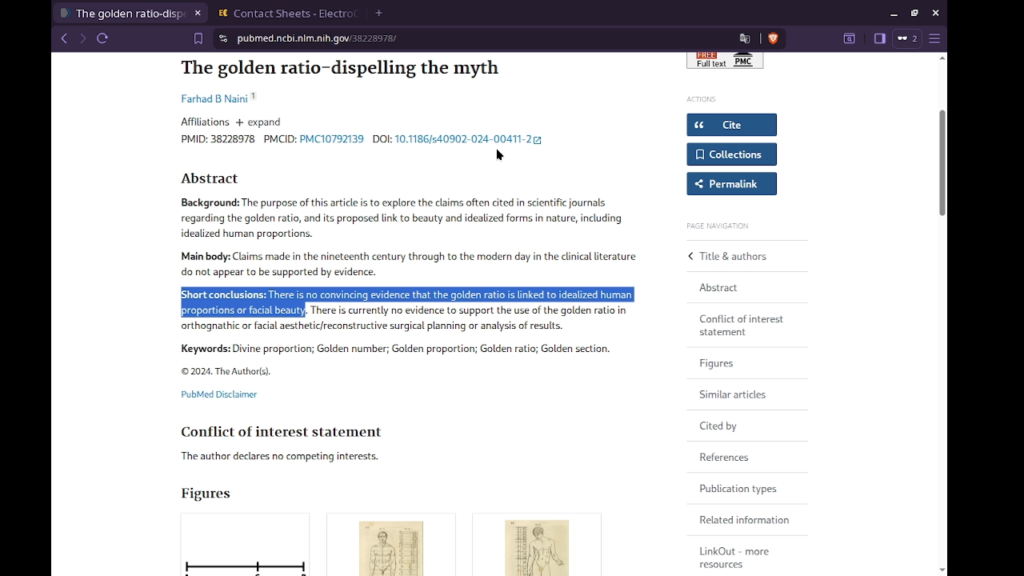
Some studies may suggest that people have a slight preference for the golden ratio in the abstract geometric context.
But it would be very audacious to say that people are “naturally” attracted to the golden ratio and not just accustomed to it.
And to come to our subject: when people are shown photographs, they show no preference for photos composed according to the golden ratio.
Quote:
“Both explicit and implicit evaluations did not reveal a clear preference for the golden ratio over other ratios.”
Time to Let Go? No Automatic Aesthetic Preference for the Golden Ratio in Art Pictures
Stieger, Stefan and Swami, Viren – 2015
The photographers who justify their use of the golden ratio by saying it’s “scientific” or “a universal standard in nature” are, to put it politely, wrong.
To be clear, I am not saying that the golden ratio has no interesting property mathematically. It certainly does. But when it comes to photography and reality in general, the conclusion is unambiguous: the golden ratio is nothing special.
Of course, you are free to follow the long-standing trend of using the golden ratio. But don’t fool yourself about why you are doing it. It is a matter of belief, copying what other people do, or not wanting to make a real effort to compose your photos.
For me, someone who says that the golden ratio is an unavoidable concept in photography is wrong. Talking about the golden ratio is a dead end: it gets you nowhere.
The Golden Ratio is clearly cultural and not universal or scientific. It is a trend that has fed itself through the decades. It is a powerful myth because it sells the promise of nailing composition with just knowing one rule. Everyone talk about it because everyone talk about it. It is a vicious circle that doesn’t seem ready to stop.
But just because you repeat misleading information, such as claiming that the golden ratio in photography is scientifically proven, doesn’t make it true.
Golden Ratio In Photography Is Cultural, Not Universal
This post is about the golden ratio, but any other rigid rules that tell you to place elements in a precise location within the frame -like the rule of thirds- are also useless to me.
I understand that sometimes you have to make decisions quickly and don’t really have time to compose your photo. So, having a pre-made rule to follow can be comforting, but I wouldn’t call that composition.
I have studied composition for years, it is something I take very seriously. And my experience, like science, has clearly taught me that you don’t need to take the rule of thirds or the golden ratio into consideration to nail composition.
They are useless if you really want to learn composition in photography. At best, you’ll waste time learning it. At worst, you’ll miss good photos by forcing yourself to follow it.
If you are interested in learning composition, I teach verified principles and research methodology that worked for me, not commonplaces like the golden ratio that have no real added value.
SUBSCRIBE for $8 per month to access all the STUDIES, CONTACT SHEETS, BOOKS, LESSONS and GALLERIES! Or Log In.








Leave a Reply