


No Serious Definitions on the Internet
Vague and Empty Definitions
You can find countless long-winded and grandiloquent articles online that supposedly define contemplative photography.
Yet after reading them, you are often left scratching your head without any clear idea of what contemplative photography actually is.
Giving a Cartesian Definition of Contemplative Photography
All these discussions about “meditation”, “mindfulness”, or “mystery” found in those pretentious essays go completely over my head.
I have never needed any of that to create or appreciate contemplative photography.
It all feels like an overly complicated way of talking about an art form that can simply be appreciated naturally.
Below, you will find my Cartesian definition of contemplative photography. It will help you determine whether an image belongs to this style or not.
A Simple Definition of Contemplative Photography
Contemplative photography can be appreciated without context and allows for free interpretation. It conveys a sense of calm and serenity.
Appreciated Outside of Any Context
Unlike documentary photography, which requires context to be fully appreciated, contemplative photography can be enjoyed without knowing anything about the photographer, the location, or the subject being photographed.
Does Not Force an Interpretation
Contemplative photography does not tell a story in a directive way. The viewer enters a contemplative image however they wish.
A counterexample would be an architectural photograph where you clearly feel that the photographer framed the entire building because that was the subject they wanted to show.
Conveys a Sense of Calm and Serenity
You should feel soothed after looking at contemplative photography. It allows the viewer to escape without burdening the mind with questions.
To achieve this effect, photographers generally follow certain principles.
The Choice of Subject
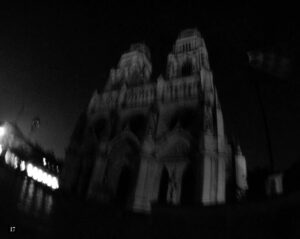
The subject should be compatible with the idea of calm and serenity (nature, monuments, sky, etc.).
A common counterexample would be a lingerie model in a suggestive pose.
The Distance Between the Subject and the Photographer
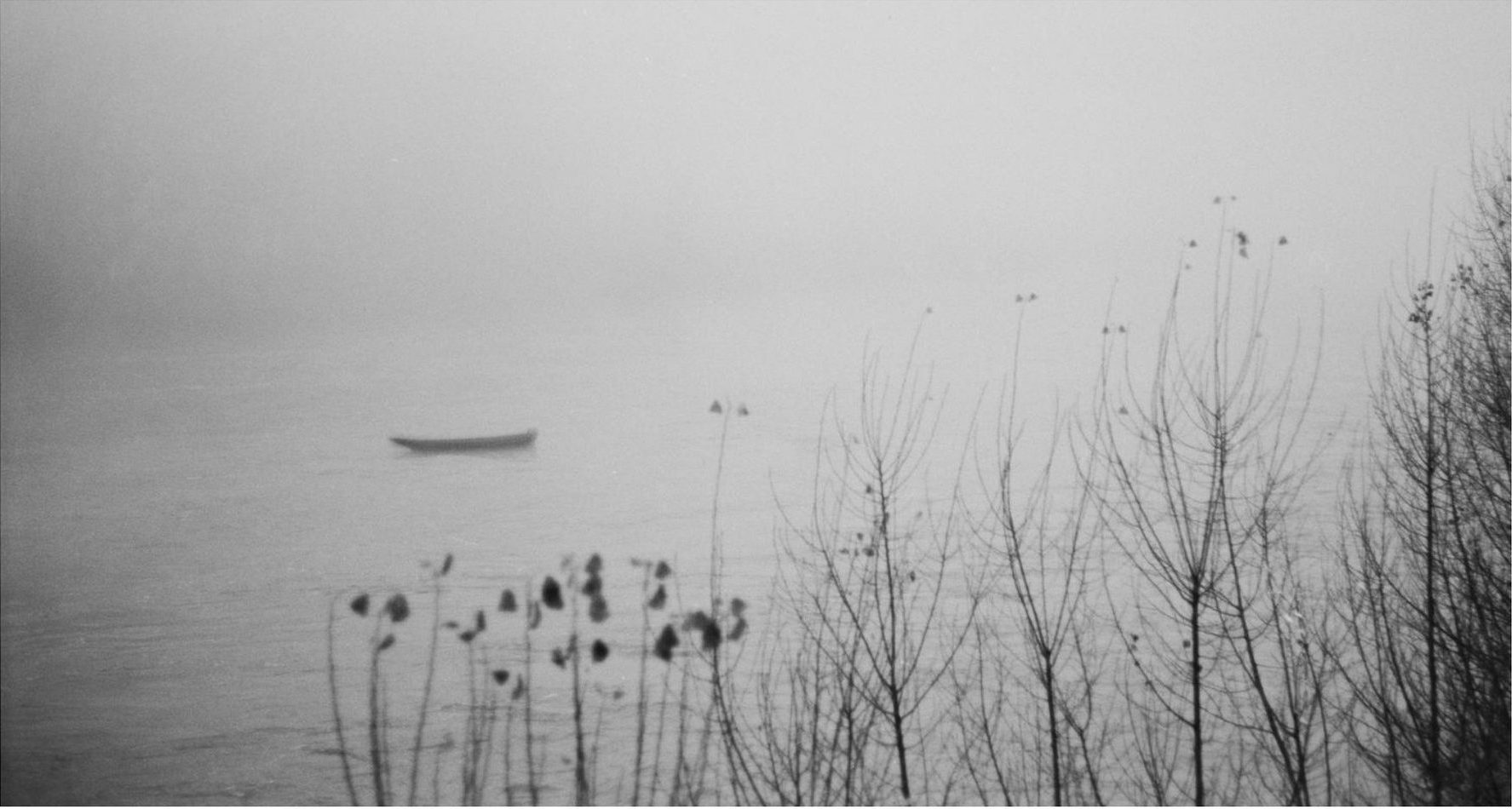
In contemplative photography, you should not feel the photographer’s presence.
A Harmonious Composition
A Balanced Composition
The image should feel balanced and should not visually “lean” to one side. Visual weight must be evenly distributed.
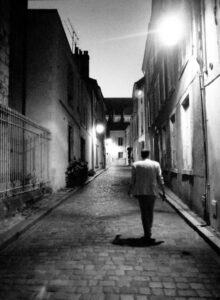
A counterexample would be street photographers who get very close to people and focus on faces, expressions, or scenes without concern for composition.
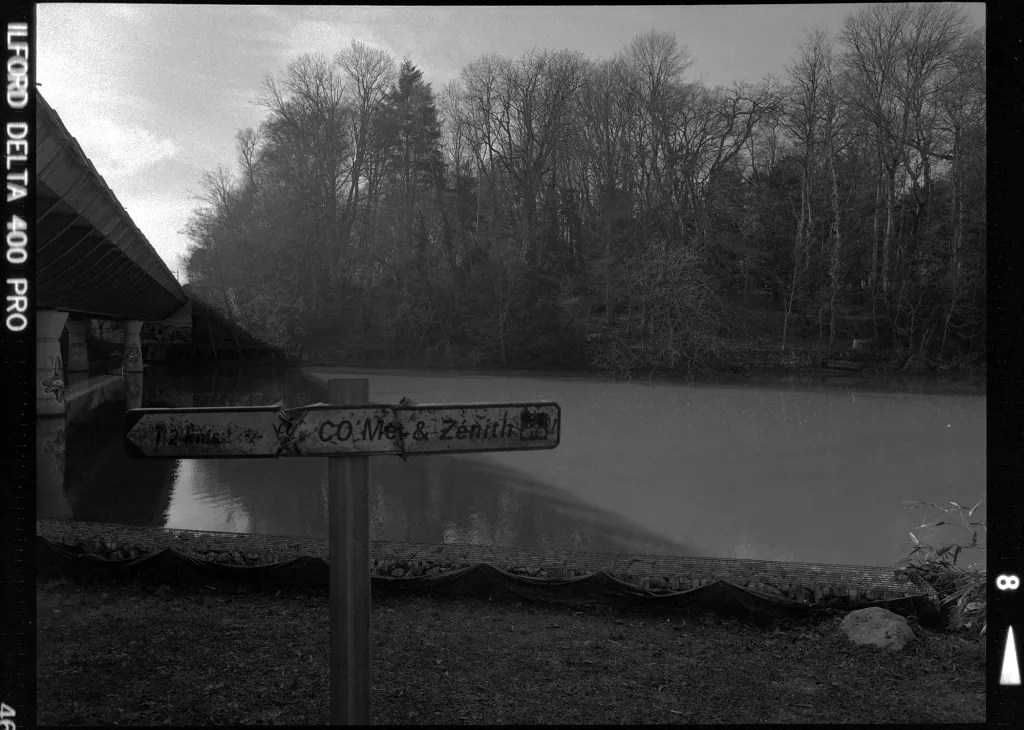
A Low-Contrast Image
Colors or grayscale tones should not feel aggressive. The image should have low contrast.
A counterexample would be a highly saturated and high-contrast magazine cover photo designed to aggressively capture your attention.
This definition may not satisfy everyone on every detail, but it will help you determine whether a photograph is contemplative or not.
If you would like to see photographs that belong to this style, feel free to continue exploring this website.
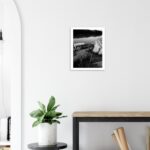
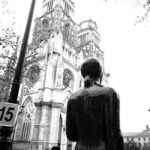
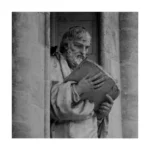
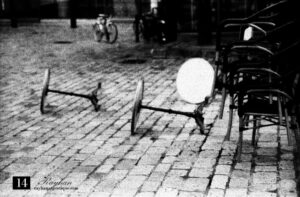
You will discover a wide variety of contemplative photographs created by photographer Rayhan Rahim Khan.


Leave a Reply