


| Ilford Delta 400 (200 ISO) | FX-39 II |
| Format: | 120 |
| Exposed at: | 200 ISO |
| Developer dilution: | 1+19 |
| Development time: | 17 minutes |
| Temperature: | 20°C |
| Agitation: | 8 inversions initially, then 4 inversions every minute |
My intentions
I have often been disappointed by the lack of shadow detail I could recover when using Delta 400 at its nominal sensitivity.
Spring and bright sunlight are also here, which means scenes with strong contrast.
By lowering the film speed, I aim to expand the film’s dynamic range (I want to recover detail in both shadows and highlights). I am pursuing the same goal by further diluting the developer (1+19 instead of 1+9).
Will the grain become significantly more visible?
And what about the tonal rendering? Will the images still have enough contrast?
An undocumented dilution
I could not find any development times for this dilution. So I simply doubled the recommended development time for a 1+9 dilution.
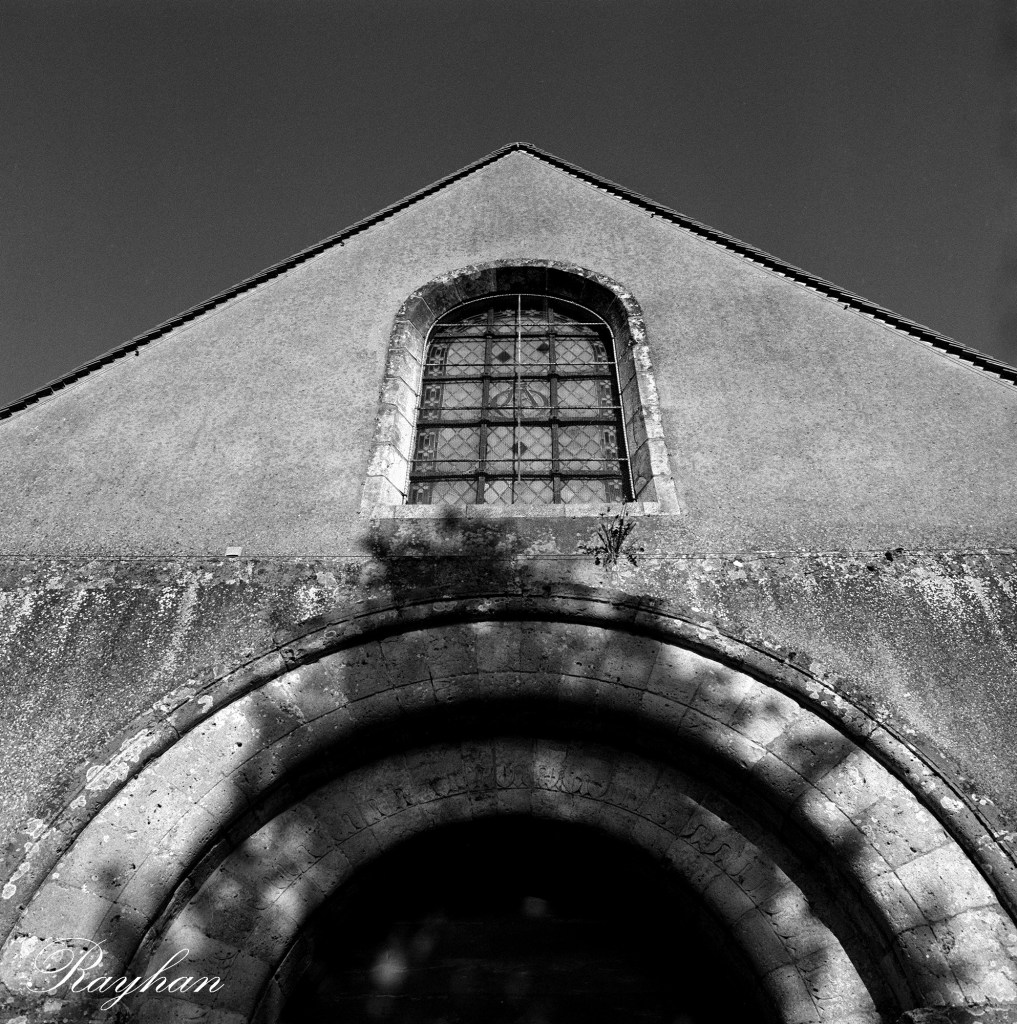
A beautiful dynamic range
There is still plenty of detail in the sky – a characteristic of this developer – as well as in the shadows. This is especially pleasing for bright springtime scenes.
More visible grain, stronger acutance
The grain remains fairly discreet, even though it is obviously more noticeable than with a 1+9 dilution.
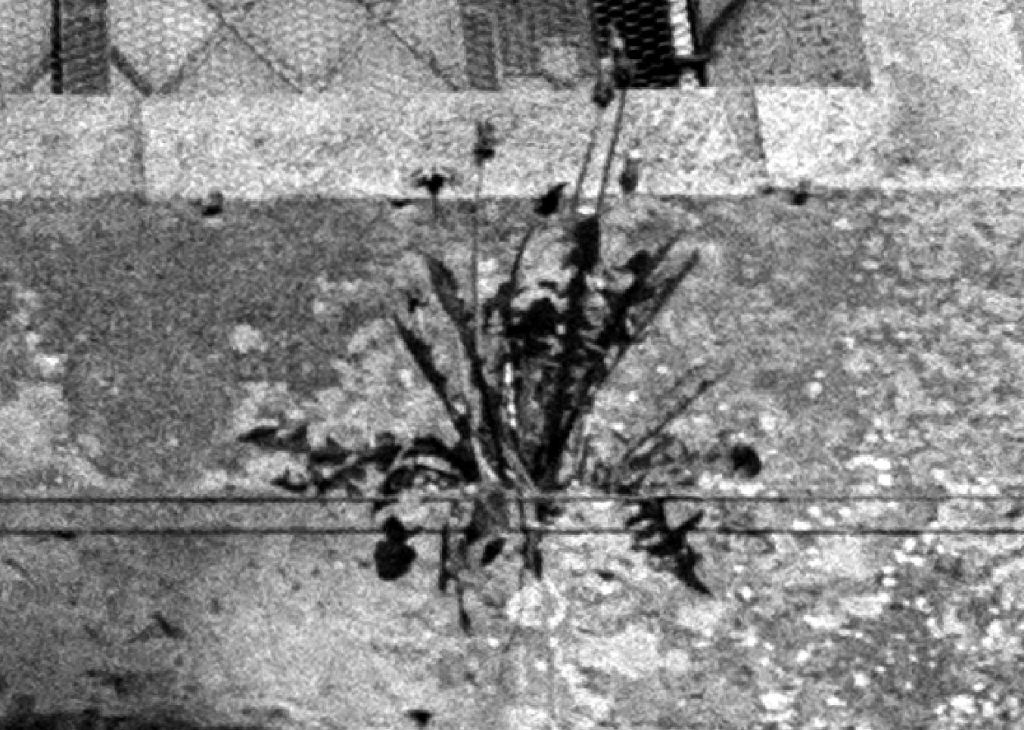
On the other hand, the sense of acutance is more pronounced. Details and textures stand out more clearly.

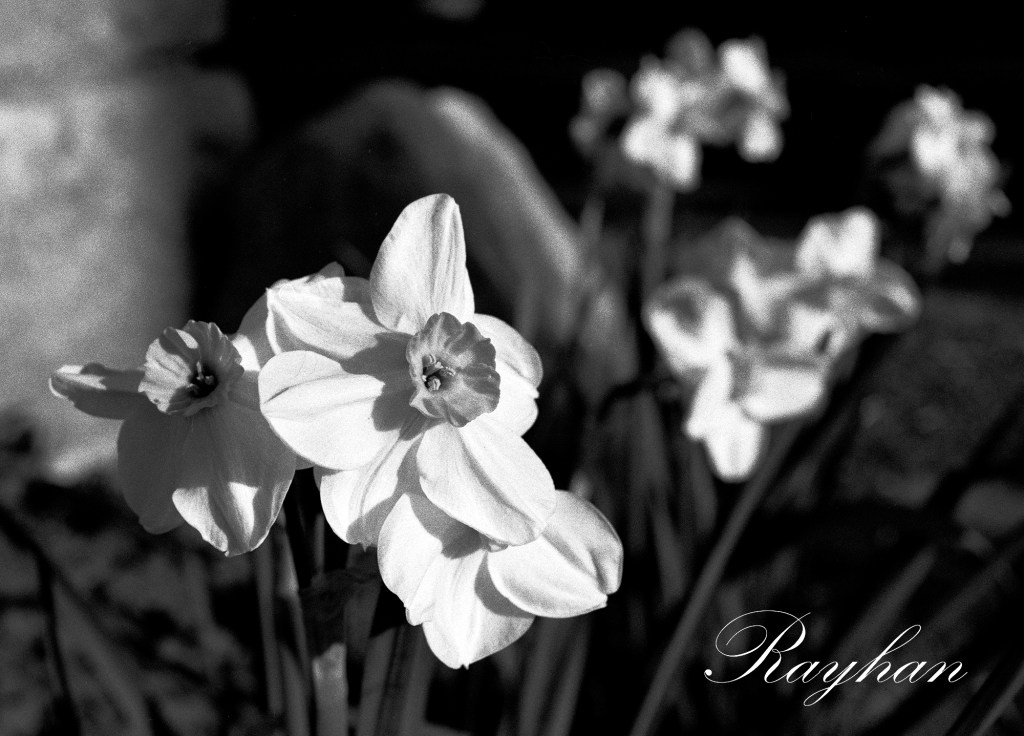
Flat midtones
As for tonal rendering, I do regret somewhat flat midtones that do not separate enough from one another. But this is also the trade-off for retaining detail in both the shadows and the sky. You cannot have everything.
Interesting results
I am not entirely satisfied with the midtones, but I find these results promising in terms of acutance and the amount of shadow detail I managed to recover.










Leave a Reply