


Basic tips
There is no use having a high quality camera if it is limited by a bad lens.
Don’t try to get a lens that does everything. Take what you need.
Focal length: closer or wider
“28mm”, “50mm”, “135mm”, the bigger those numbers, the narrower the field of view. The smaller those numbers, the larger the field of view.
Concrete examples will make things clearer:
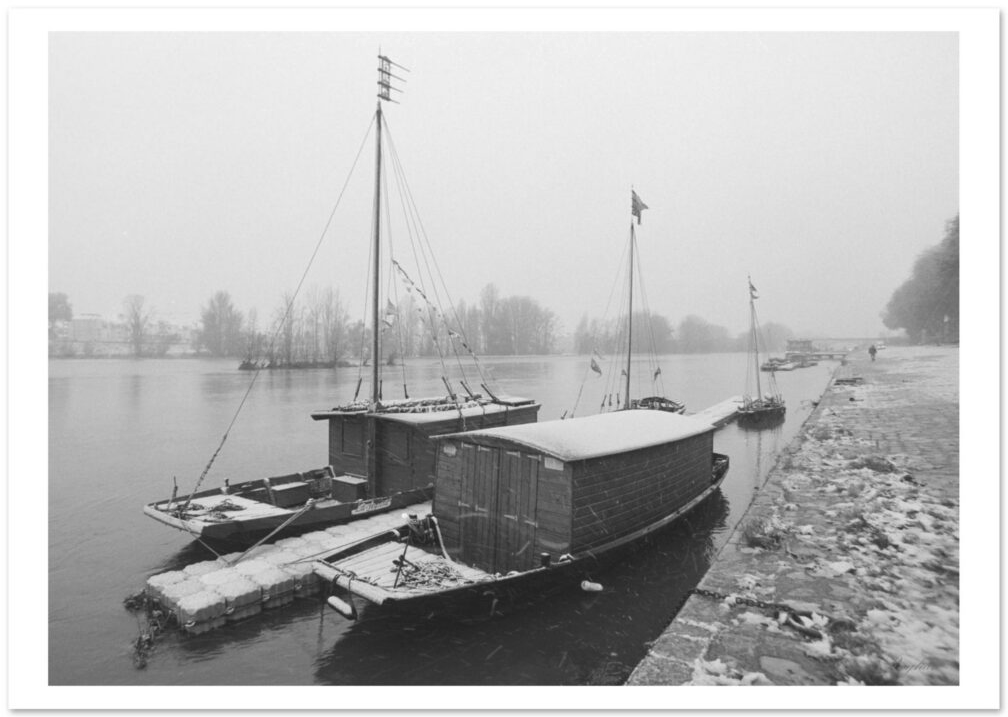
Focal length: 19mm
Field of view: 87°
This photo was taken with an ultra wide angle.
This type of lens is useful for landscape and interior photographs. It provides a wider field of view, allowing you to fit more into the frame.
With this type of lens, objects appear farther away from one another.
It can be difficult to obtain good images with it if you are beginning.
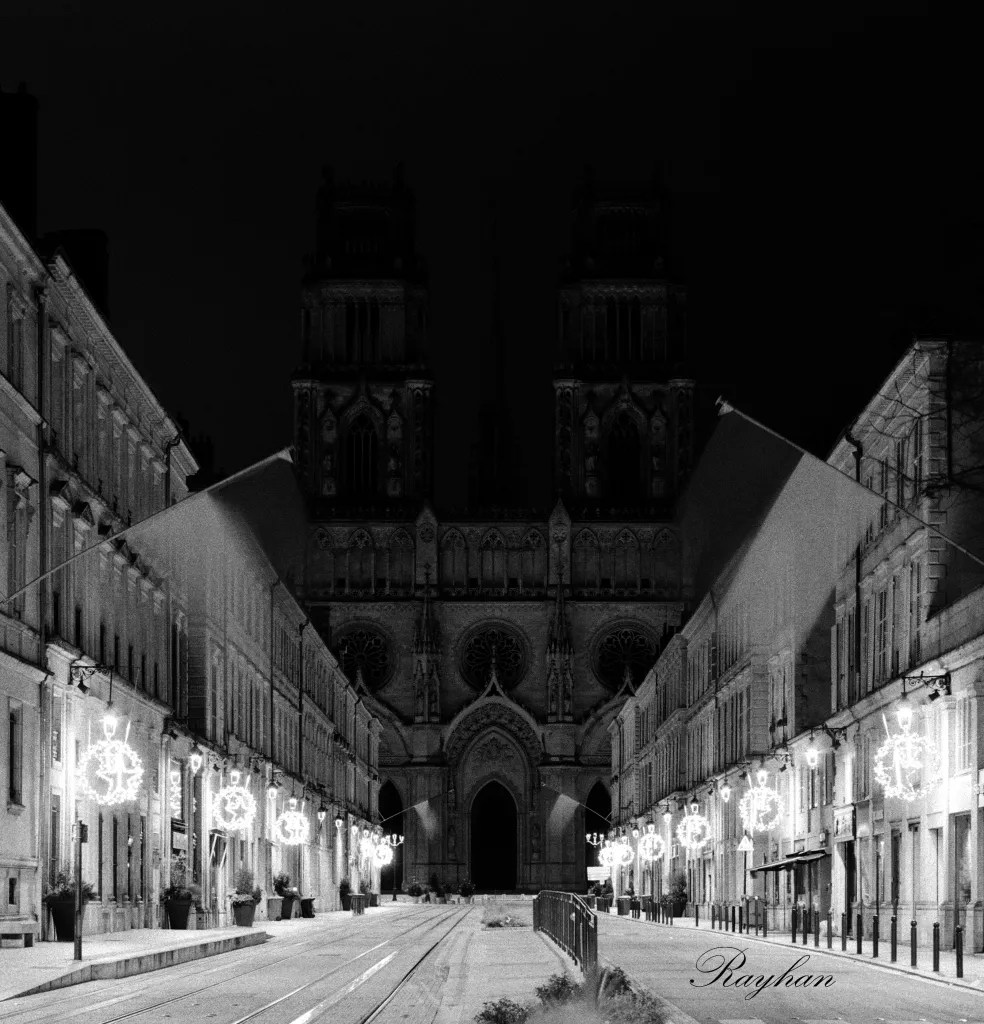
Focal length: 50mm
Field of view: 39.6°
This photo was taken with a standard lens.
As the name standard indicates, this type of lens renders the perspective as your eye is used to see them in reality.
It is a very versatile lens, and useful for most types of photography.
As it renders what you see with greater fidelity than other focal length, it is also a good choice if you are a beginner.
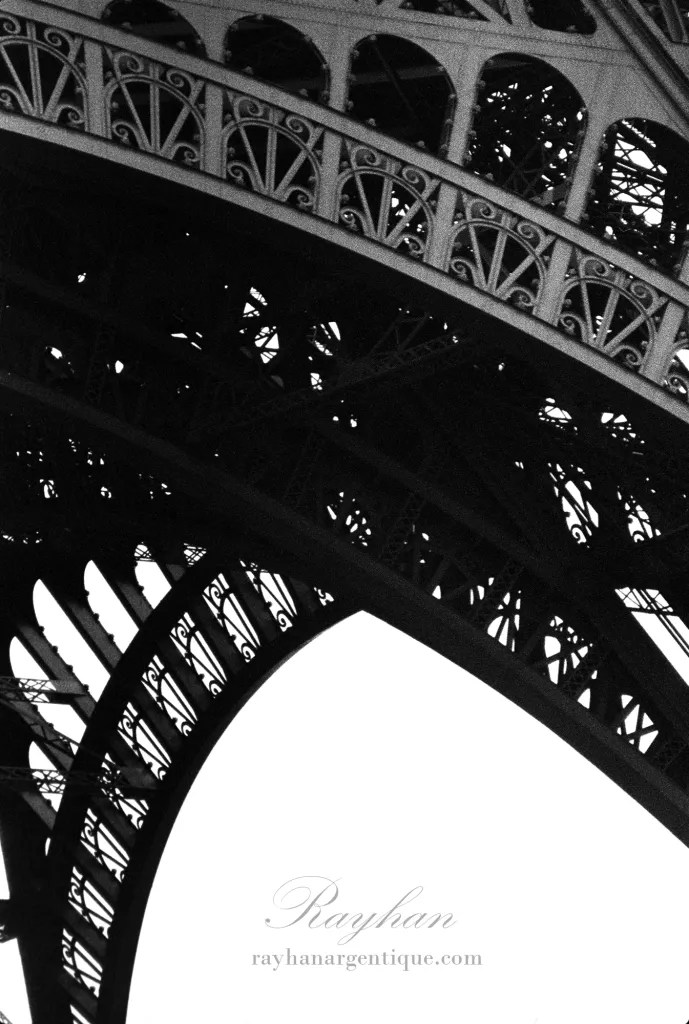
Focal length: 240mm
Field of view: 8.6°
This photo was taken with a telephoto lens.
A telephoto lens allows you to frame distant subjects tightly. This type of lens flattens perspective, making objects appear closer than they actually are.
They are used for close-up portraits, or animal photography, but can also give great landscape photographs.
Different lengths regarding the sensor
For the same focal length, the field of view value vary proportionally to the size of the sensor. The values given here are for a 35mm format, but if you use a Micro Four Thirds, the focal length will have to be two times shorter to obtain the same field of view.
Aperture (f/..)
Wider aperture
A lens’s maximum aperture is its widest available aperture. The smaller the number is, the greater the amount of light ending up on the sensor will be. It allows you to use faster shutter speeds which is great in low light condition.
Bokeh
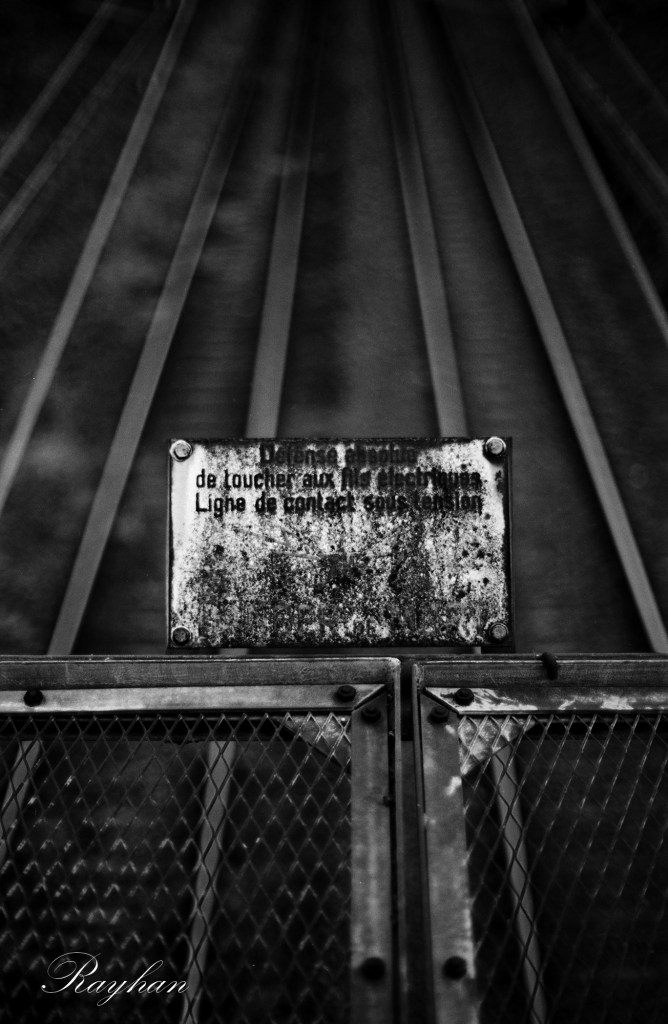
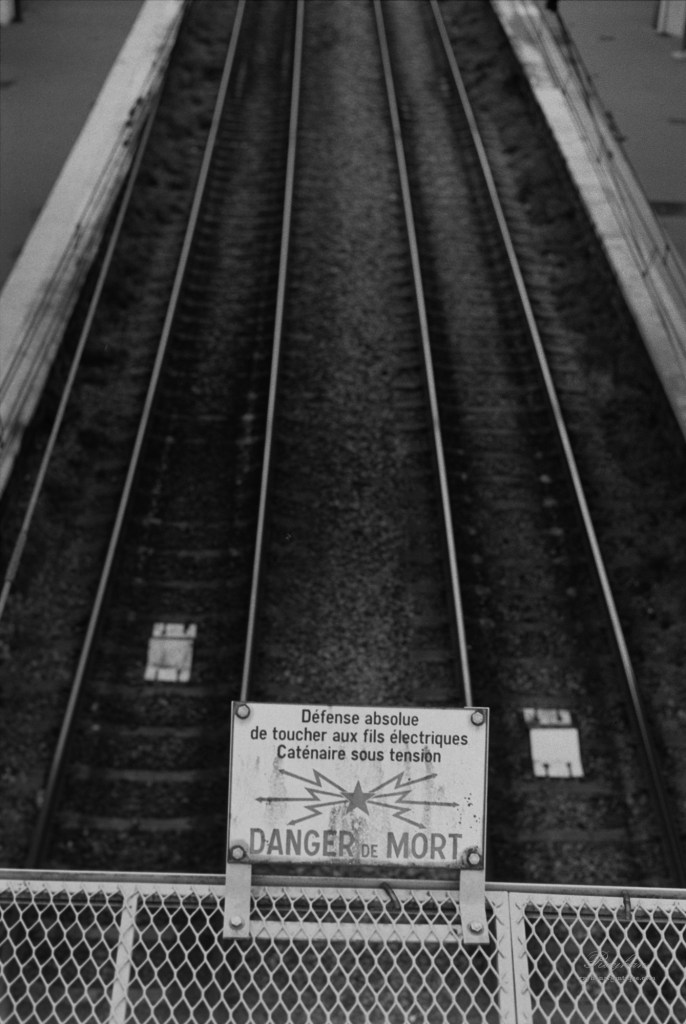
The wider open a lens is, the more background it will produce, if you are after this effect, thus you need a lens with a wider aperture.
Wider is not better
Wider lenses aren’t the cheapest and they will not necessarily be better. A f/2 lens may be better or equivalent than a f/1,2 lens. Again, buy one if you think you’ll really need those bokeh and extra light.
Zoom and Fixed Focal Lenses
The difference between them
A zoom lens allows you to change the focal length. For example you can use a 28mm or a 50mm without changing it.
Prime lenses (or fixed focal lenses) have generally wider open aperture than zooms.
Why do I recommend a 50mm for a beginner
If you are beginning I’ll advise you to use a prime 50mm lens. And if at some point you think you need something different than a 50mm, go ahead, buy it.
At this stage of learning, less is more. All the possibilities given by the zoom may overwhelm you. And a zoom can also make you lazy: instead of moving to find the right angle, you’ll just zoom on it.
Autofocus and manual lenses
For the kind of photography I’ll be teaching here, autofocus is not mandatory. It is not hard to focus manually with most of the cameras.
Personally, even if the lens has autofocus, I have taken the habit to focus manually.
Macro lenses and focusing distance
Some lenses allow you to come closer to your subject, because they have a shorter focusing distance. For example with a lens you can go down to 20 cm of your subject while others only allow you to focus as close as 50 cm.
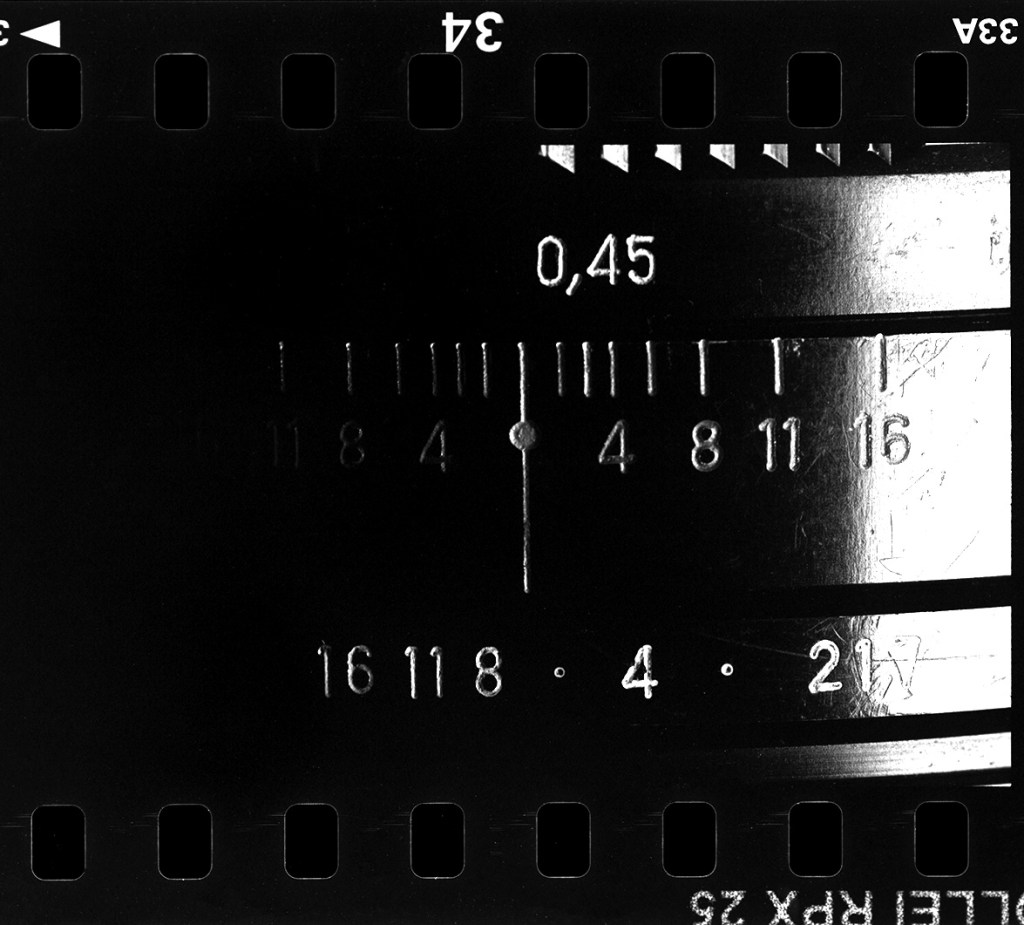
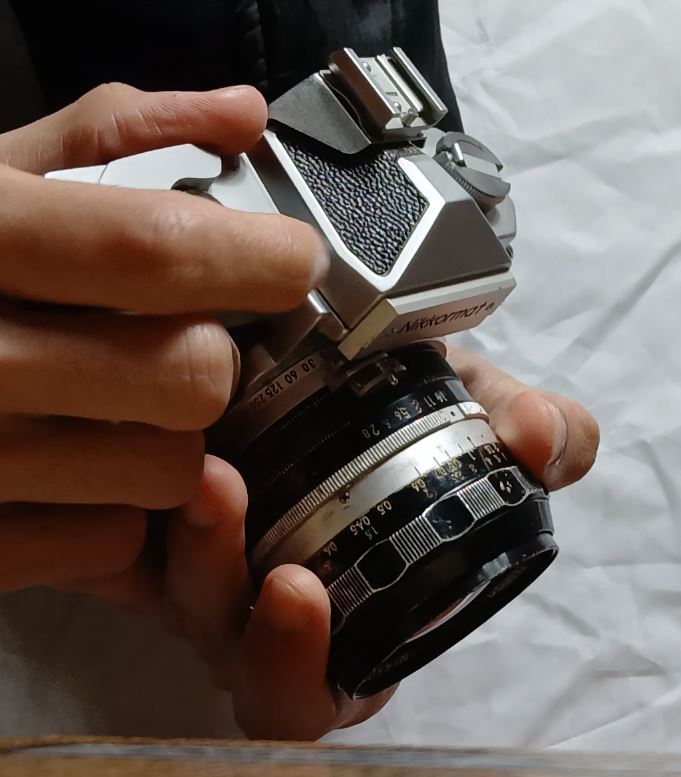
Minimum focusing distance on this mm lens is 0.45 m.
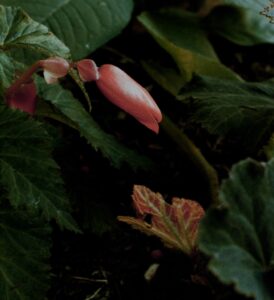
If you plan to photograph flowers for example, be sure to take the right one.
Macro lenses
Macro lenses are a special type of lenses that allow you to focus very closely to your subjects. They work also for landscape photography but are calibrated for this purpose mainly.
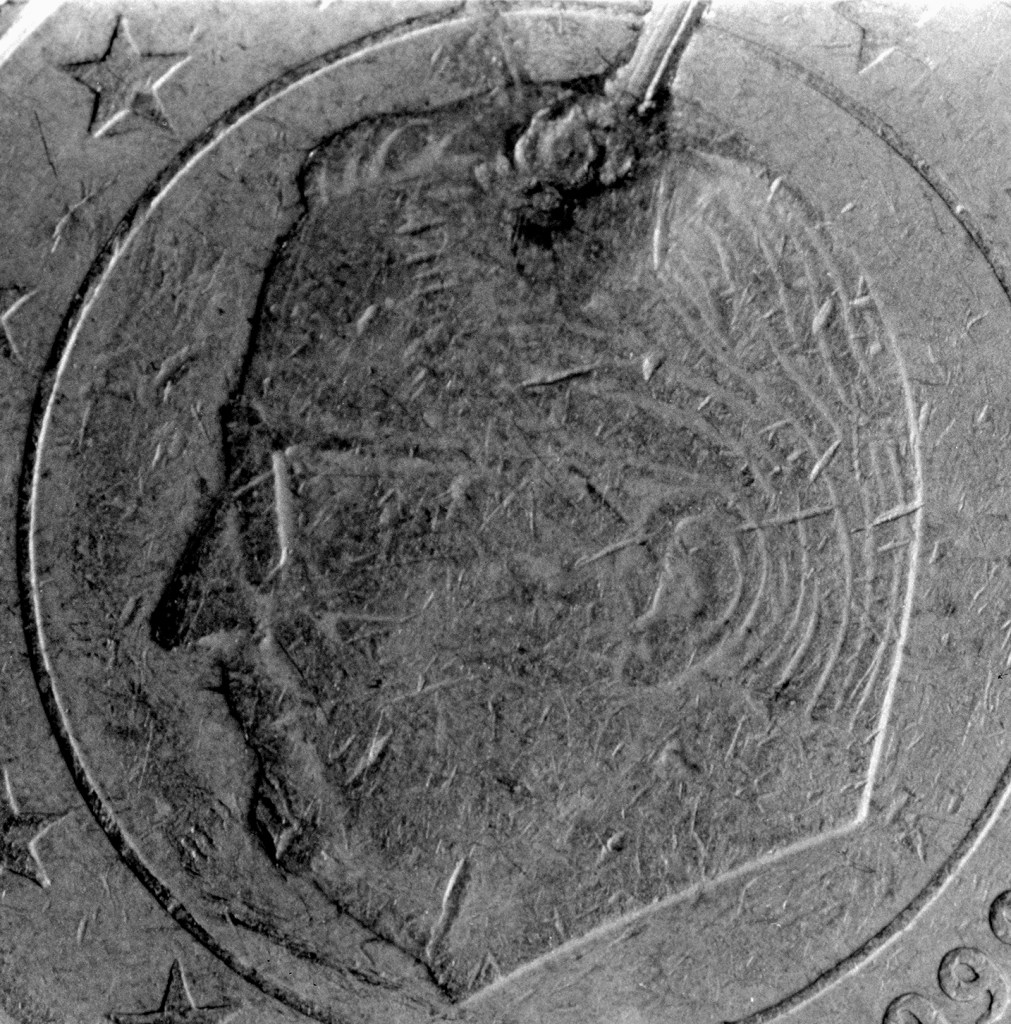
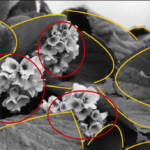
An example of macro photography.
Stabilization
Some lenses are indicated as stabilized. Basically it corrects camera shake. It is a plus if you do handheld photography or uses telephoto lenses as it will allow you to use slower shutter speeds.



Leave a Reply