


A principle over 2,000 years old
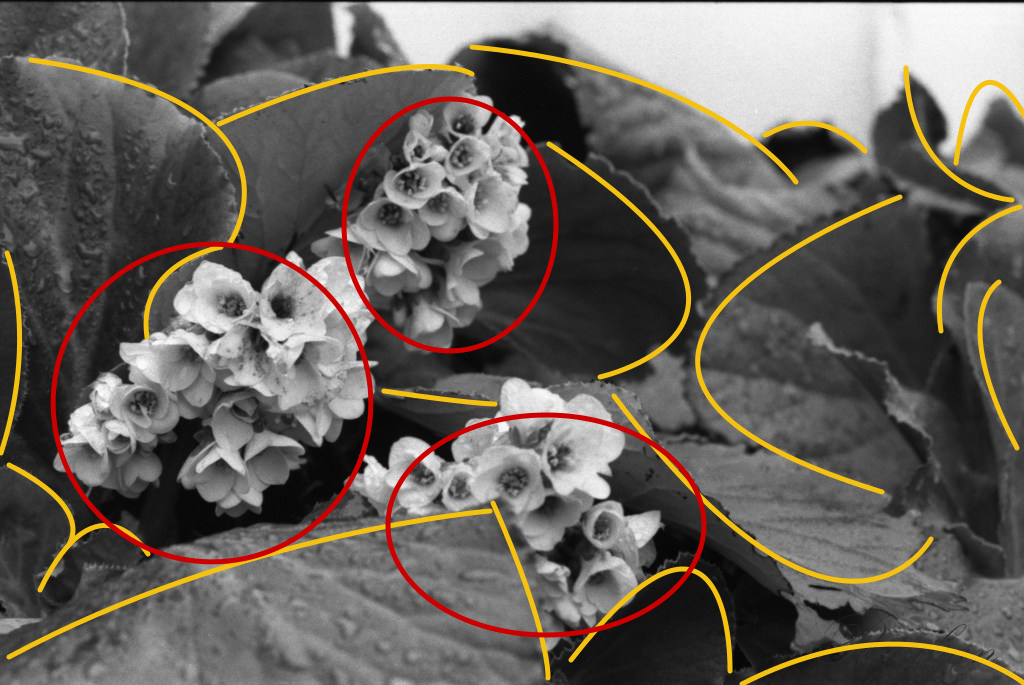
Unity in variety is a principle can be traced back to ancient Greek philosophy. It applies to music, literature, architecture and art in general, but can also be applied in photography.
It is a way of analyzing an image that will help you create pleasing and successful compositions for your photographs.
What is this principle about
The name is quite self-explanatory, “unity and variety” may sound antagonistic, but according to this principle, a pleasing photograph is about finding a balance between these two elements to achieve a pleasing composition.
Too much unity? Boring.
Too much variety? Chaotic.
Reasonable variety with no cohesion (with no unity)? Incoherent.
Unity in variety or variety in unity? Great!
How does it apply to photography
Whether it’s shapes, colors, or patterns, great photography is often about finding that perfect balance.
Finding “unity in variety” is a practical compass to create photos with a composition that works. You can use it while shooting and composing your images but also while selecting photographs or post-processing while cropping or dodging and burning.
Like any principle, it won’t make your photograph magically good. You’ll have to bring other qualities to it, such as an interesting subject, for example, to achieve a great picture.
Concrete examples from the contact sheets
SUBSCRIBE for $8 per month to access the rest of this post. Or Log In.







Leave a Reply