

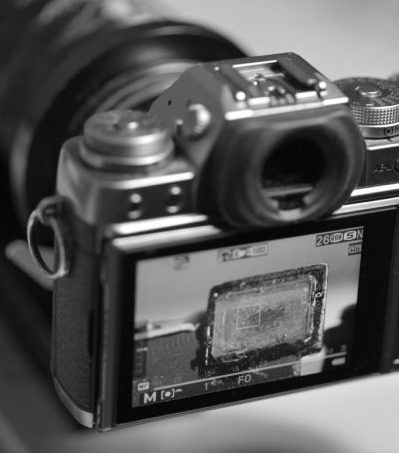

What is the difference between RAW and JPEG?
Your camera can save your shots in different ways: it can process your shots to create an optimized and ready to use file (JPEG) or just give you directly a file containing all the information captured by the sensor (RAW).
JPEG will give you a final (or almost final) result. JPEG is interesting if you don’t intend to post-process your photograph.
On the contrary, RAW is not intended to be shown. You have to develop the RAW file through software like Photoshop or Gimp… to create a presentable JPEG image.
RAW allows for a higher level of control and more flexibility while post-processing.
Basically, shooting in JPEG means that you let the camera do the post-processing for you, while shooting in RAW means that you will do the post-processing yourself.
A compromise would be to shoot in both JPEG and RAW. So, if your camera allows you to do that, do it. Thus, if in the future you decide to rework the rendering of your photos in depth, you’ll have the RAW file to work with.
Should you shoot in JPEG or RAW?
As you can guess, RAW is mainly used by professional photographers who want to precisely control the rendering of their photos.
That does not mean you should do that. In fact, I think that if you are a beginner, having to reprocess your photos to get a final result is tedious and demotivating.
Thus JPEG appears to be the best option. You’ll get photograph effortlessly that you can reflect on and maintain your motivation to practice photography.
Shooting in JPEG
As stated earlier, the camera does the post-processing job before creating the JPEG. But you may not like the post-processing (for example, the colors or the contrast).
Most cameras offer different presets of post-processing for the JPEG it creates (standard, saturated, etc, film simulations on Fuji cameras). Choose the one you like the most.

Leave a Reply