

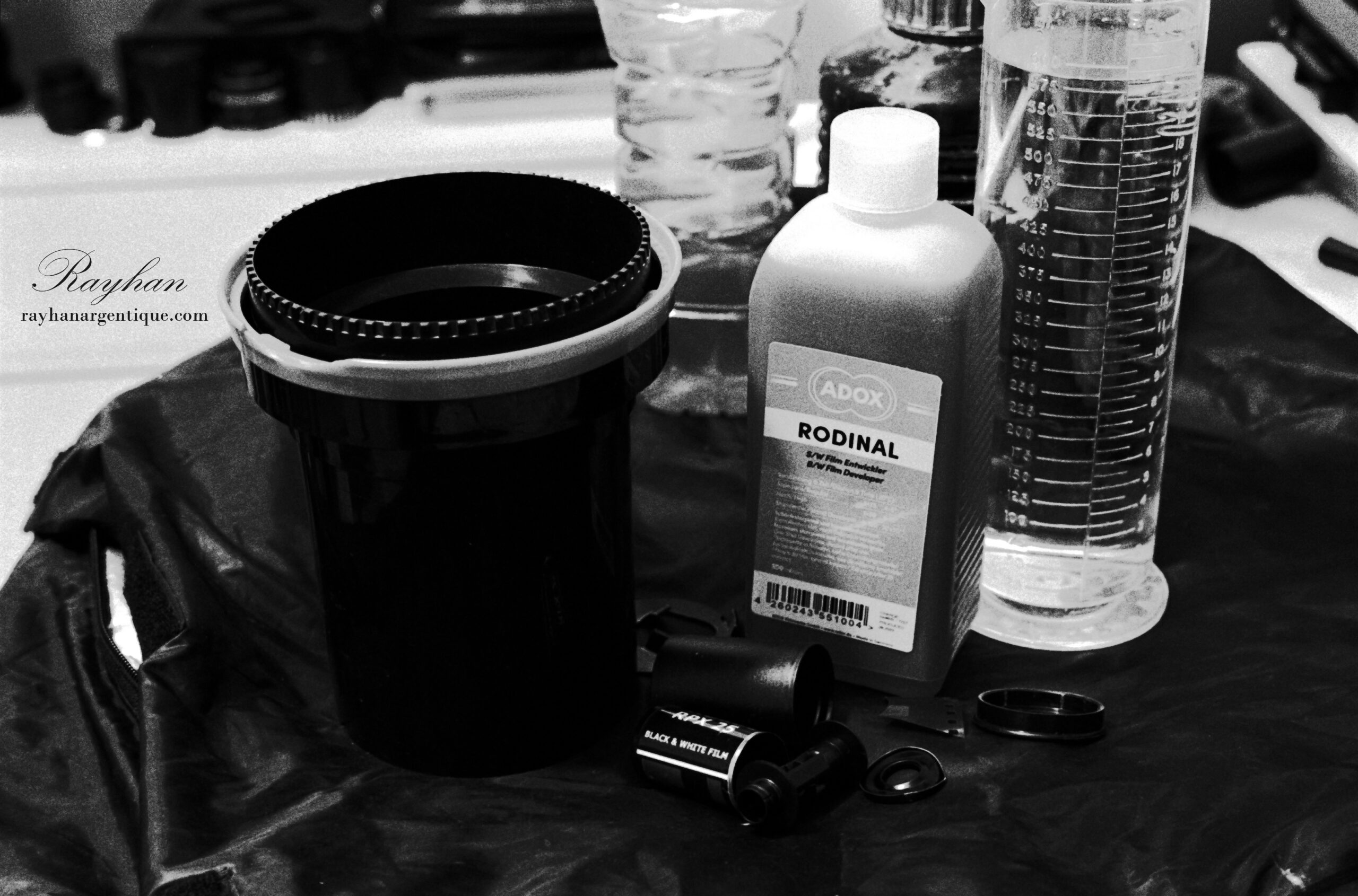

A legendary developer
Why the Rodinal was a breakthrough in the history of analog Photography
In the late 19th century if you wanted to develop your film, you had to to play the chemist and to mix ingredients.
The developer formulas available at that time lost their reactivity very fast and needed to be prepared a few hours before being used.
But Rodinal was a different kind of developer.
After being prepared, the concentrated solution could last for years in a bottle. And the only step before developing your film was to dilute it in water.
A major breakthrough in terms of convenience and time savings.
A developer in use for more than a century
But the most impressive about Rodinal is that it is still one of the most popular developer nowadays, more than a century after Agfa patented its formula in 1891!1 Making it the oldest film developer commercially available
The author of this post is also an enthusiastic user of Rodinal as you can found in the development notes published on this website.
Presentation of Rodinal
The Pros
Cheap and durable
If you are on budget, Rodinal is one of the cheapest developer available. For example, with a 500ml bottle of Rodinal the cost of developer for a 35mm film goes from 27cts (1/25 dilution) when Ilfosol 3 (1/14 dilution) costs 3 to 4 times more per film.2
And you will not have to be concerned about throwing it: Rodinal has a great reputation for its conservation, being able to be used months -years in ideal condition- after opening the bottle.
A high quality and versatile developer
Despite being cheap, Rodinal offers great performance. It gives sharp grain negatives. Unlike FX-39 which can gives images that lack punch, tonalities given by Rodinal are lively and intense.
You can vary the dilution to modify the contrast:
- 1:25 for low contrast scene and giving more life by increasing the contrast of your negative
- 1:50 for high contrast scene and conserving details in the shadows and the highlights
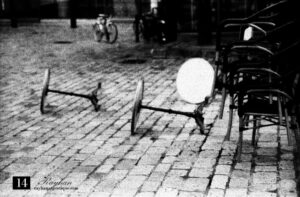
- 1:100-stand development- to accentuate the effect of 1/50 and getting those “halo effect” detouring the objects, compensating effect or developing old stock film.
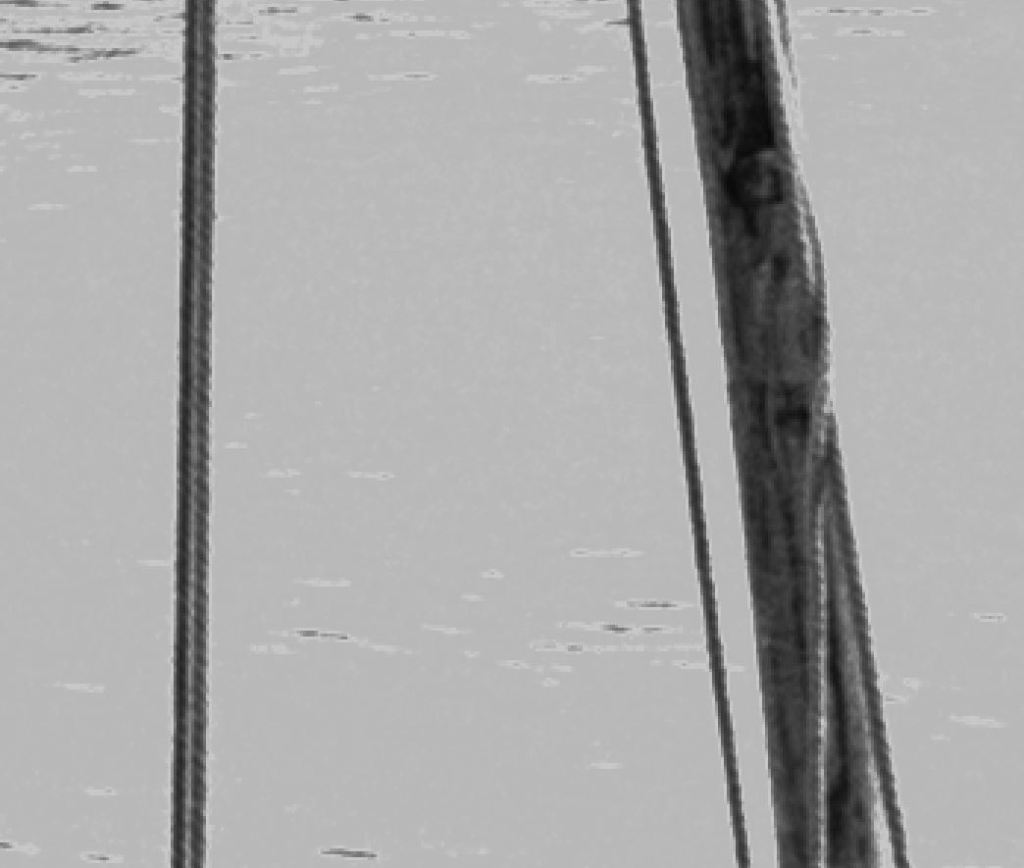
Example of “halo effect”. At the angle of the objects, there is thin line.
The limitation of Rodinal
But as every developer, Rodinal is not the answer to every situation.
Do not exceed 200-400 ISO with 35mm
As Rodinal tend to make the grain more appearing, it will be unwise to use it on fast emulsion.
For 35mm, after 400 ISO the grain may be to apparent.
Quite logically, this issue is far less pronounced with wider format (without heavy enlargement). For example I obtained very satisfying results with HP5+ pushed at 1600 ISO in medium format.
Non Solvent developer
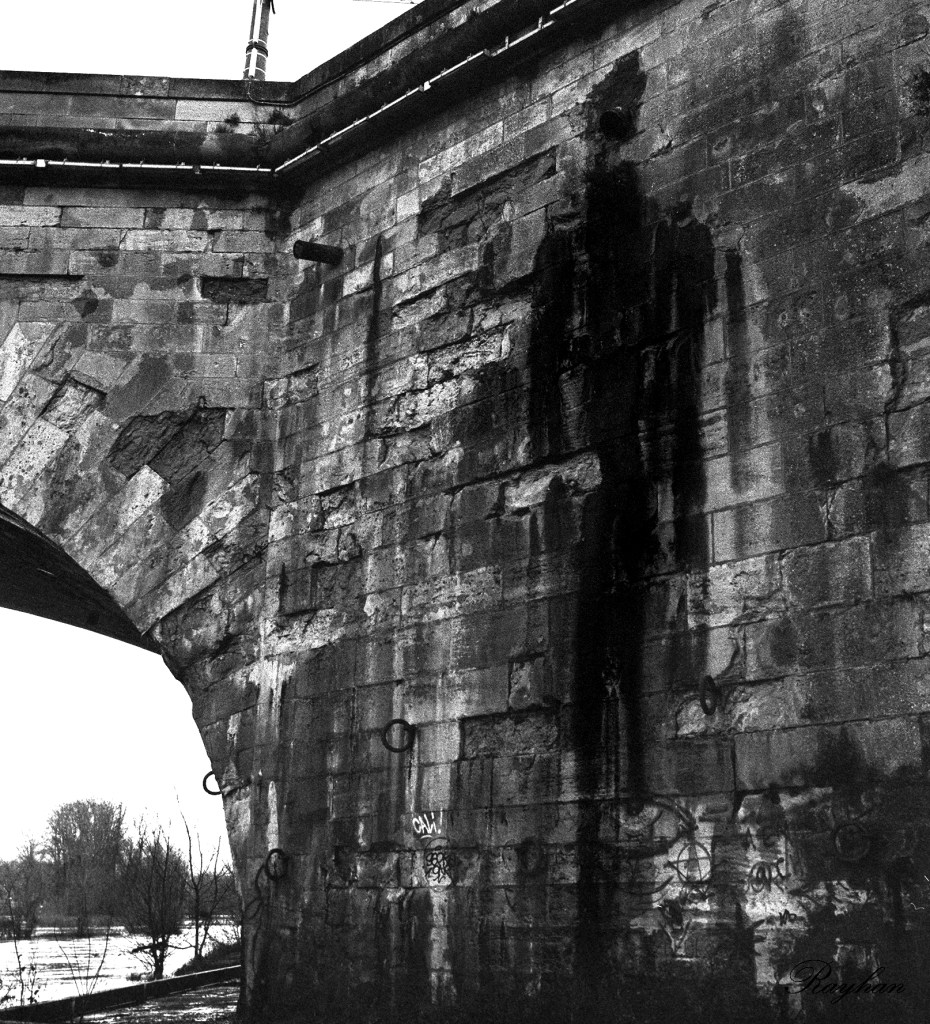
Like all high acutance developer has a great sense of sharpness, which is great for landscape and macro photography. But not optimal for portrait photography as it may bring out imperfections and render ungracefully out of focus areas such as the background.
Rodinal is not a good option for tabular grain film
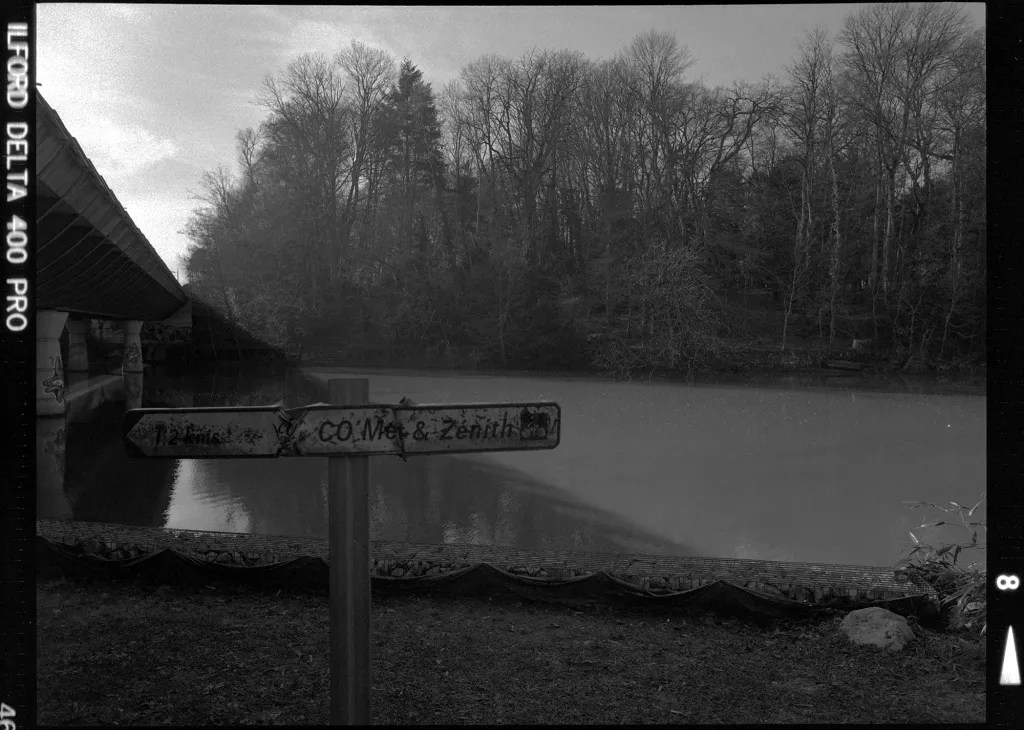
Solvent developers are recommended for tabular grain film. Thus you may not want to use Rodinal, a non-solvent developer, with tabular grain film (Ilford Delta for example).
It is possible to develop tabular grain film with Rodinal, but from my experience, the grain structure often doesn’t look pleasing.
Conclusion
Rodinal is a safe bet. It give sharp images and allows you to adapt the contrast of your negatives. Just be aware of its limitations when used with tabular-grain film or 35mm film above 200 ISO.
If you want to see concrete examples of Rodinal in use, you can check out my development notes.
- https://en.wikipedia.org/wiki/Rodinal ↩︎
- Prices may variate with your location and shop, but the order of magnitude is still good. ↩︎





Leave a Reply