


Education about the visual arts is often neglected
Few days ago, I visited the Fine Art Museum of Orléans and watched how most visitors interacted with the paintings and sculptures.
Many looked puzzled, like someone trying to decipher an unknown language.
An it is not surprising. In school we are deeply taught mathematics and literacy, but learning how to appreciate art does not hold an important place there.
Since most of us haven’t attended a costly art school (myself included), we don’t possess the knowledge to appreciate an artwork in depth.
Why we look at pictorial art in a superficial way
Looking at a work of art is very much like reading a text.
If I give a text to an illiterate person, his evaluation will be limited to superficial characteristics, like the number of paragraphs or the length of the text. In short, he will get some information but will miss the actual meaning.
To read and truly enjoy literature, this person would have to know grammar, spelling, rhymes, and other particular codes.
The same goes for pictorial art: you need to know composition, framing, the meaning of colors and other things to fully enjoy it.
How to see images with more depth
Good news is you don’t need to follow a costly two years course at full time to start appreciating pictorial art.
This is exactly why ElectroCroissant exists. Guided by the philosophy of “Art Without Walls,” this platform is designed to give you access to the art world in a lively, concrete, and accessible way.
Instead of forcing you to memorize a boring list of academic rules, ElectroCroissant takes you behind the scenes. Through lively analyses made by the artist on their own creations, you will get in-depth explanations of why and how creative decisions are made.
You will be placed at the very heart of the creative process to see how images are composed and what principles are used to tell a story.
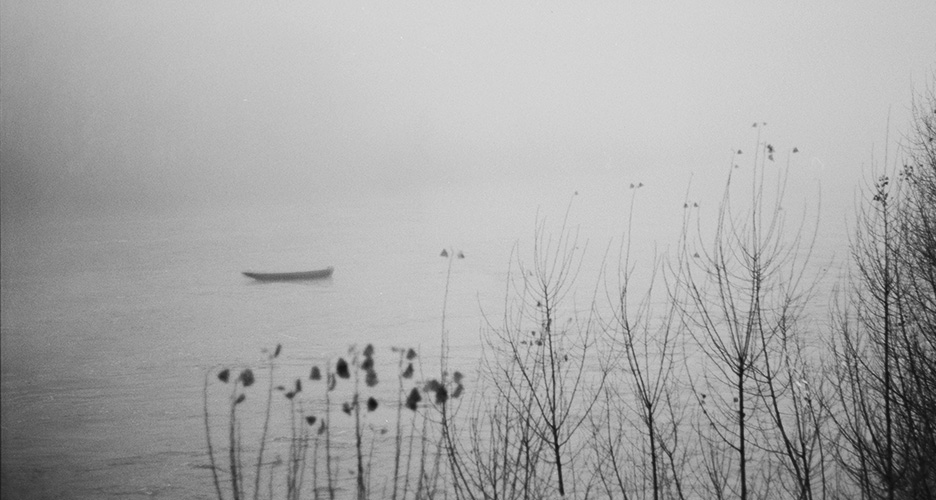
For instance, what does it mean when this artist places the boat on the left of the image?
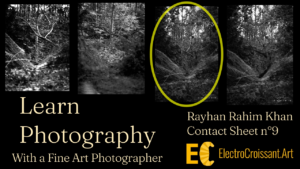
You can find the answer and start training your eye in this free excerpt of our first contact-sheet here. It’s a playful way to master composition and framing, allowing you to look at any image with a fresh, deep, and aware perspective.






Leave a Reply