

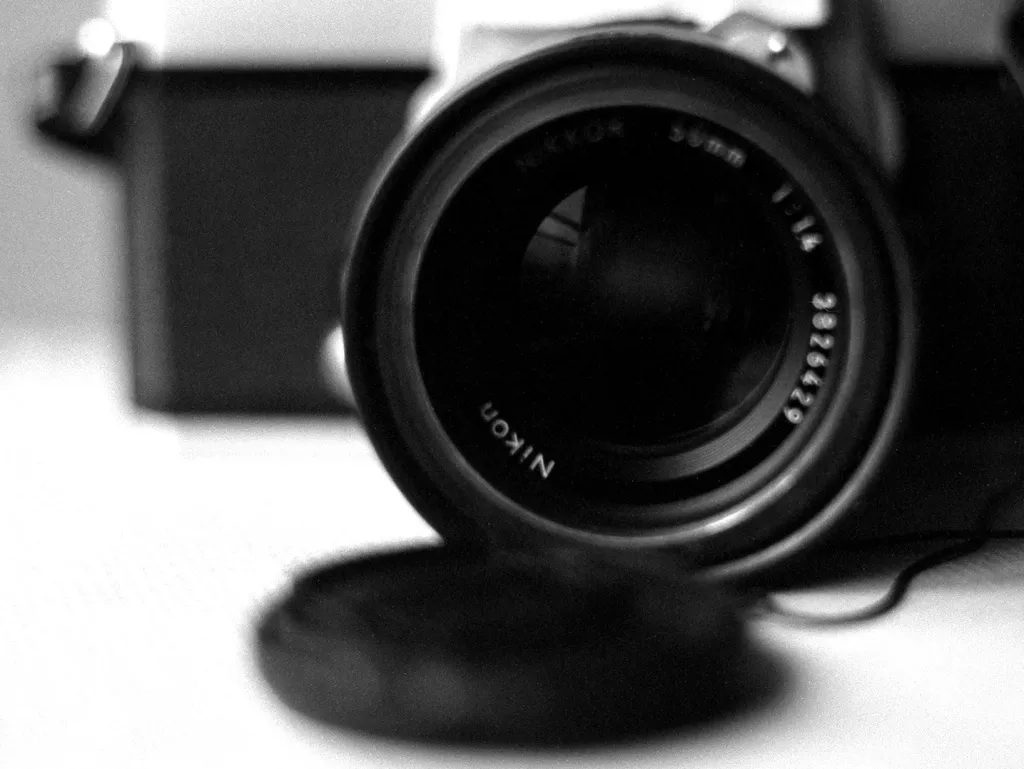

A standard lens with a wide aperture
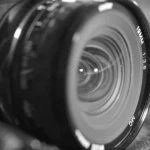
The Nikkor 50mm F1.4 AI was one of the standard lens proposed when buying a Nikon analog reflex camera.
This lens is less common than the Nikkor 50mm f2, which has a less wide maximum aperture.
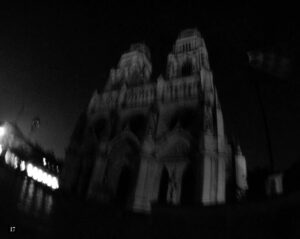
The f1.4 aperture allow you to use faster shutter spped. It may sound that a stop is not that big comparing to the f2 version. But for handheld photography at night t can definitely make the differcen between a blurry and sharp photography.
Otherwise, if you don’t photogaph at night, I don’t see rally see a reason using this lens instead of the Nikkor F2.
The begining of multicoated lenses for color photography
My lens was produced in 1974-1976. At this time, color photography started to be more commmonly used by the general public.
The coated glasses of the lens give green, garnet, cyan, red-orange colors that help the lens performing better for color photography.
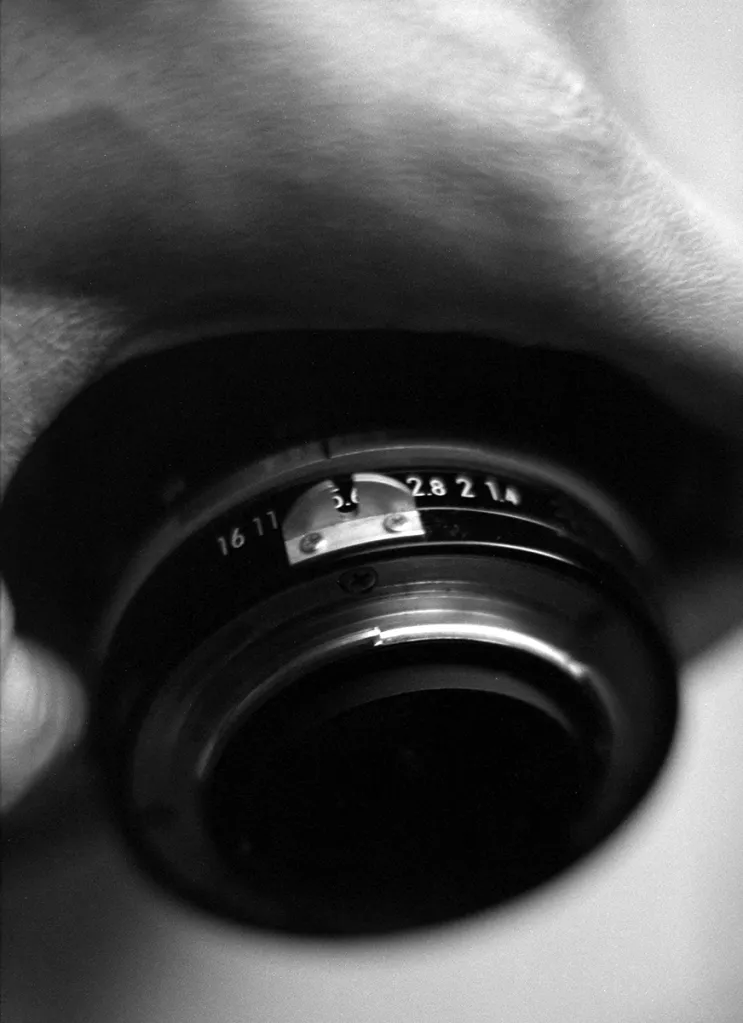
The “fork” allows the lens to connect with the posemeter on some cameras –like a Nikon FT2.
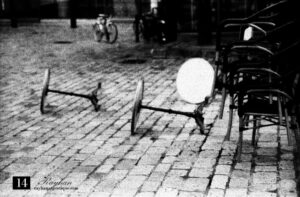
Images taken with the lens
Images have contrast
Photo rendering is contrasty, balanced and pleasing. Acutance is correct after closing the diaphragm and the image is softer at full aperture.
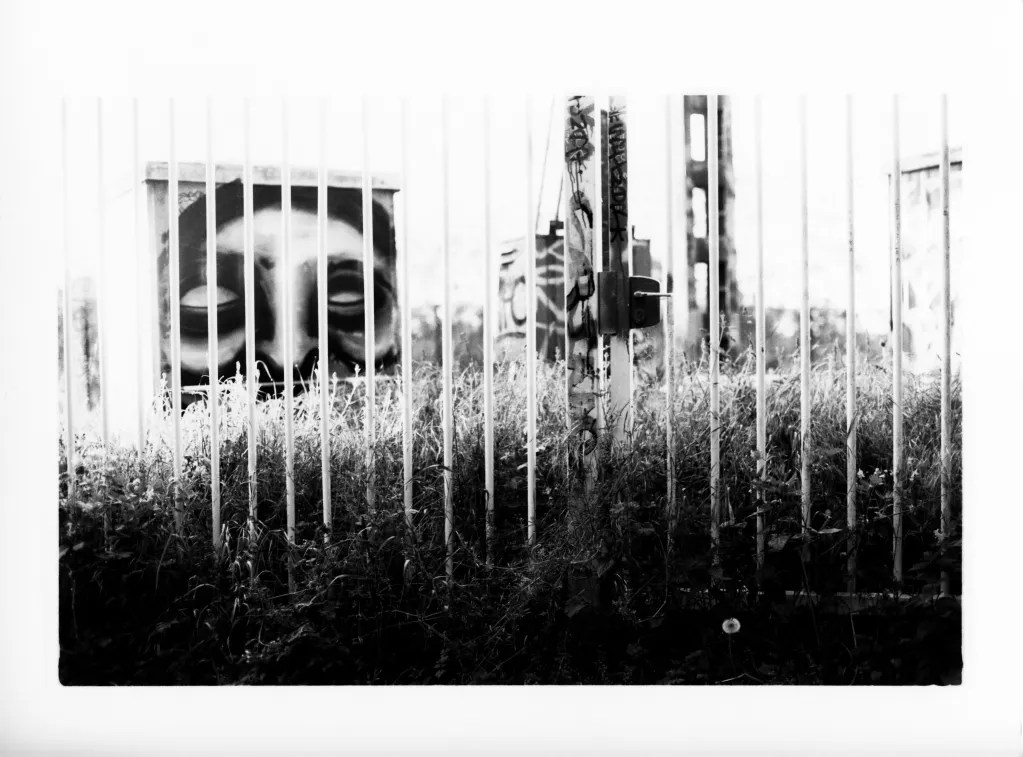
Average acutance
I haven’t been impressed by the acutance of the images given by the Nikkor 50mm F1.4.
Contrast makes the images look sharp, but when I look closer, I can’t say that I am impressed wiht the acutance of the lens, even if it stills correct.
I haven’t tested the Nikkor 50mm f2, but from what I read, the f2 version performs better than the f1,4 version at every aperture.
Leica 3d effect
The lens separates well the planes of an image, sometimes giving the leica 3d look.

Images are soft at at f1.4, then become more precise when you close the aperture.
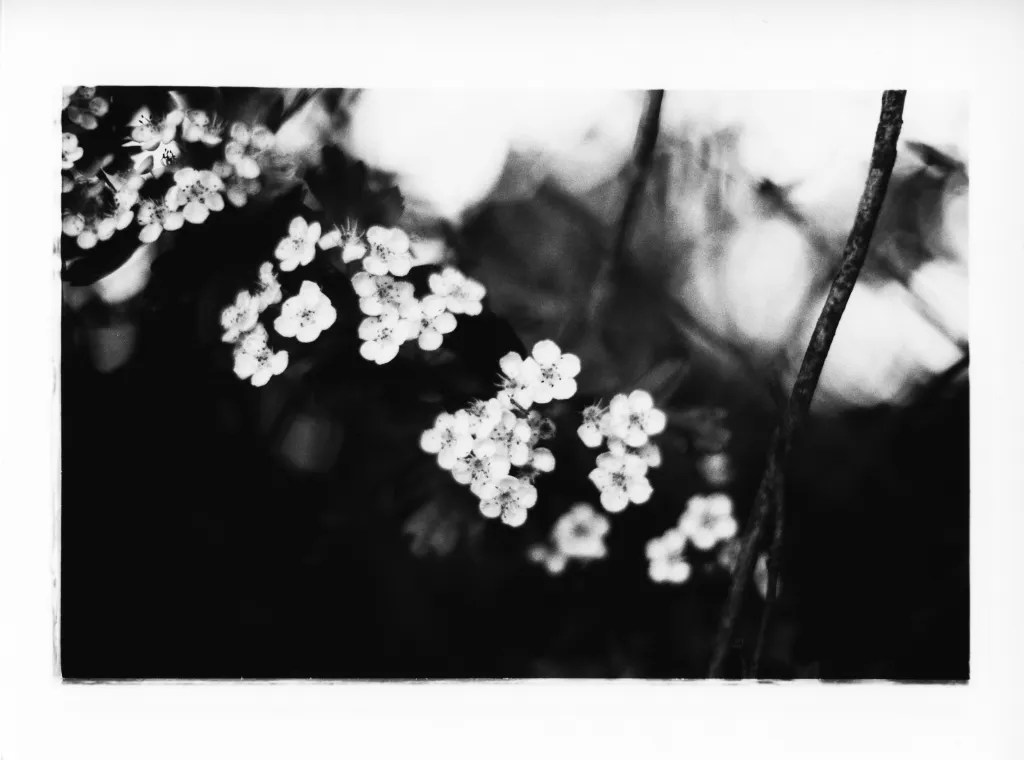
A nice background blur
Bokeh is soft and pleasing. At f1.4, acutance is not exceptionnal, but still acceptable.
Sources :
https://www.grandpalais.fr/fr/article/la-lente-reconaissance-de-la-photographie-couleur
Si vous voulez connaître l’année de fabrication à l’aide du numéro de série de votre objectif Nikon, vous pouvez vous rendre ici : http://www.photosynthesis.co.nz/nikon/serialno.html








Leave a Reply