


Digital photography in 2008
In 2008, cameras designed for professionals or experienced amateurs were SLRs.
Electronic viewfinders were therefore only used for cameras aimed at the general public (such as the Leica D-lux 3 tested here).
The advantages of electronic viewfinder
Which was a shame because, on paper, a hybrid camera has major advantages.
• More compact cameras
Electronic viewfinders eliminate the mirror mechanism found in SLR cameras, resulting in lighter and more compact cameras.
• Higher performance lenses
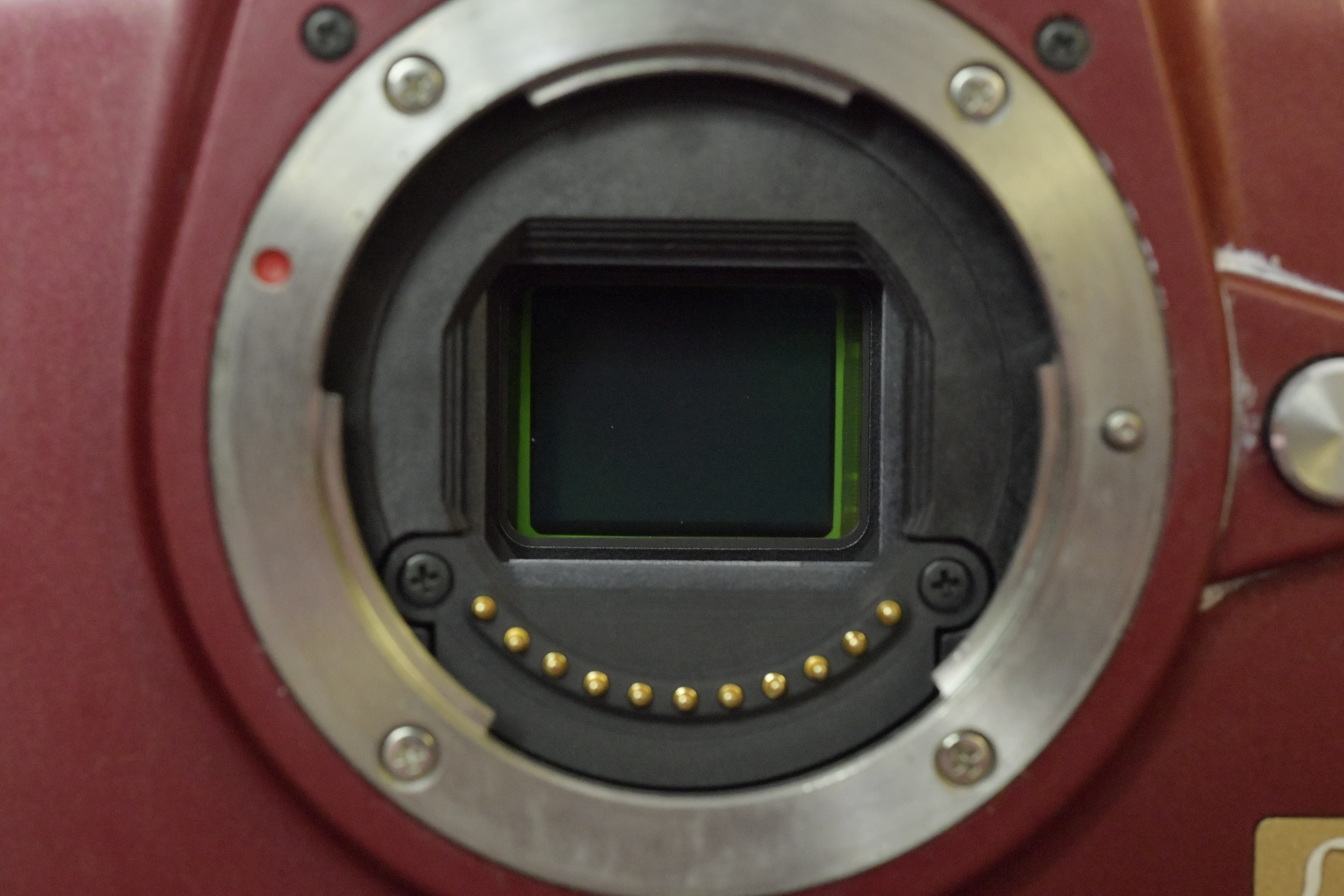
Mirrorless cameras allows engineers to create lenses without worrying about the optical draw of the photographic lens.
They can thus conceive lenses with a brighter minimal aperture and more efficient wide-angle lenses.
• A brighter viewfinder in low light conditions
The ability to increase sensor sensitivity gives hybrid viewfinders an advantage in low-light conditions.
Technical limitations
At the end of the 2000s, several technical obstacles prevented hybrid cameras from gaining ground against SLRs.
• The low resolution of electronic viewfinders
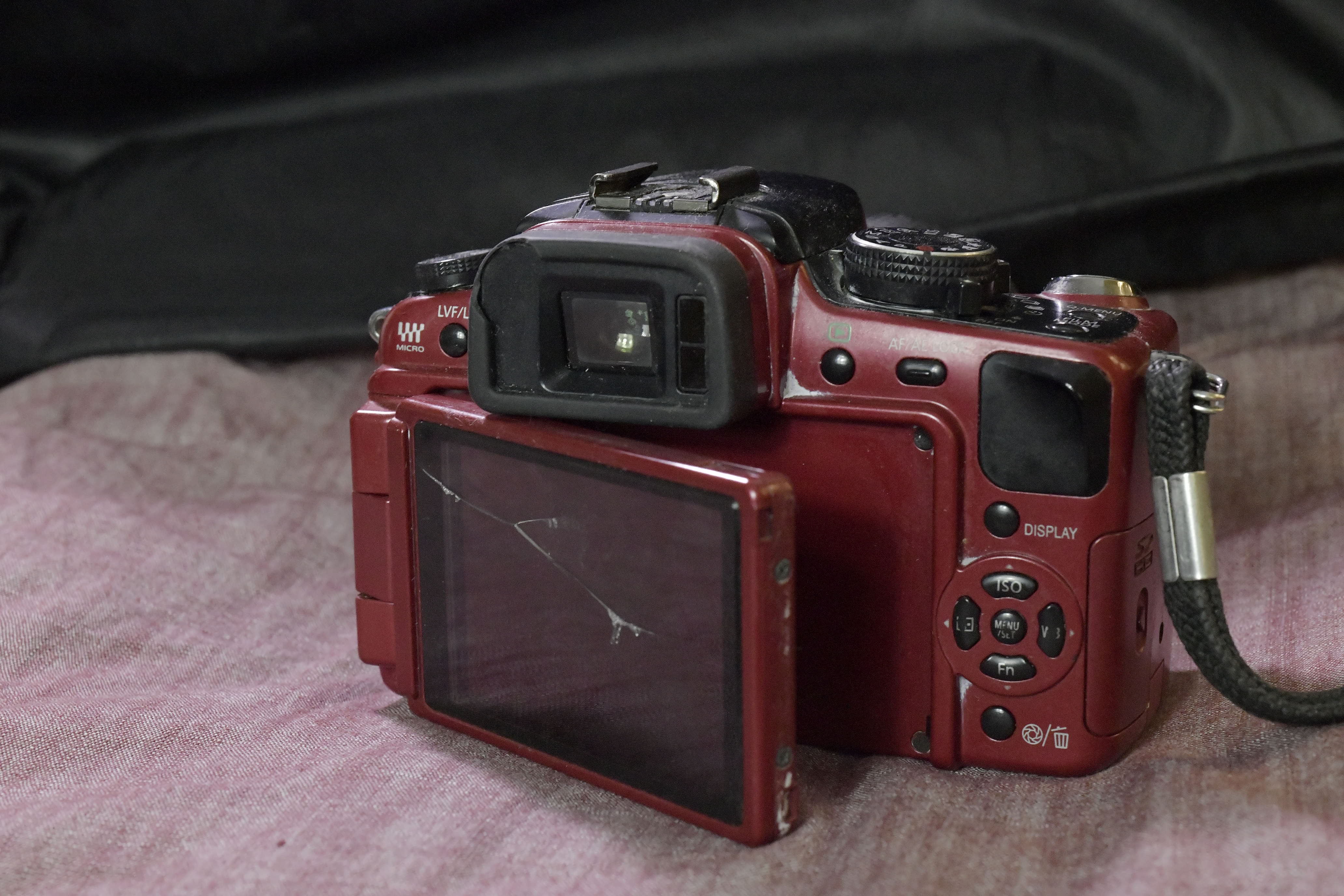
The definition of the viewfinders was not sufficient for serious use. The reflex viewfinder offered superior accuracy and comfort.
• Low battery life
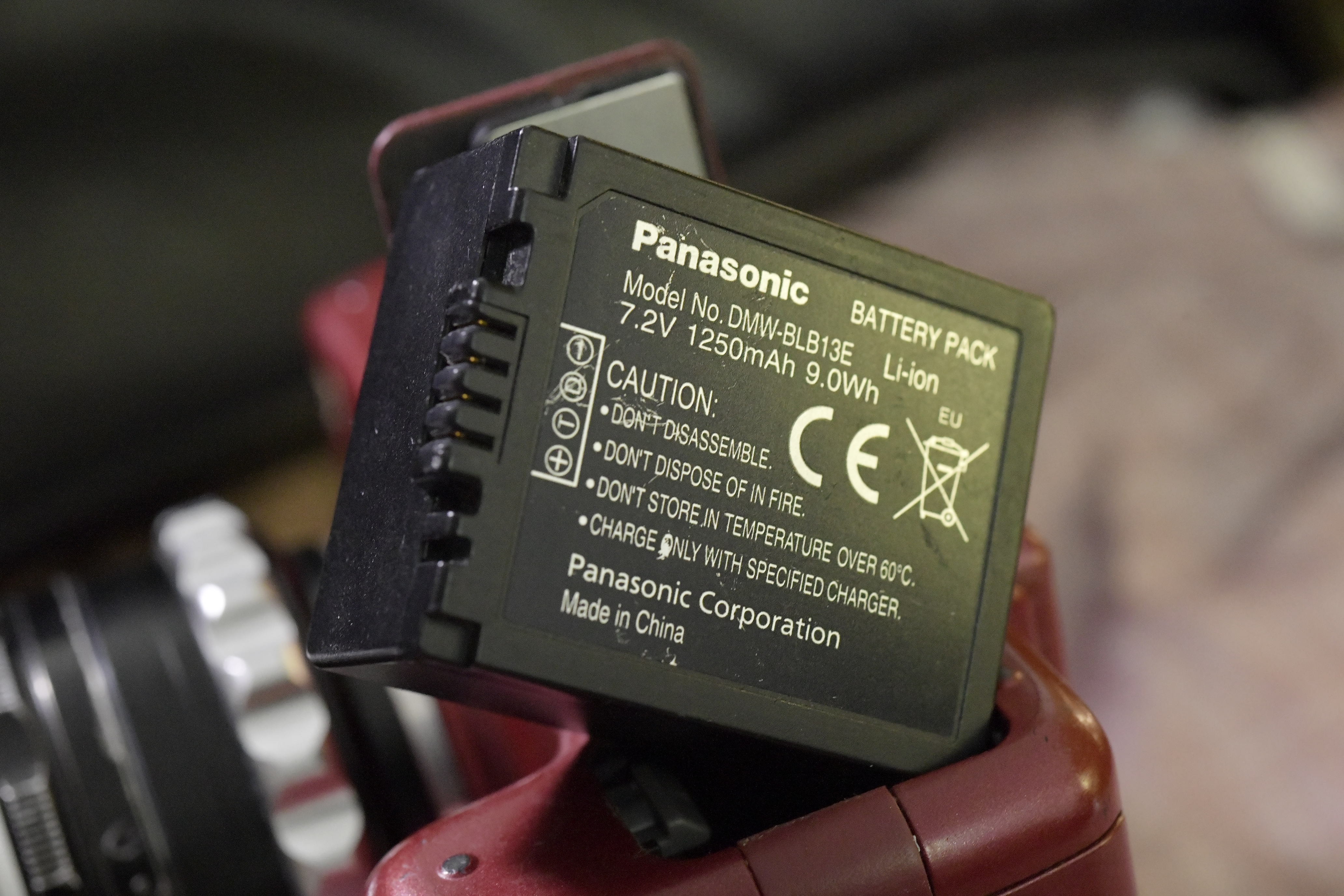
Keeping the screen on and constantly using the sensor drained the battery too quickly.
And power consumption increased proportionally to the size of the sensor. This is why this type of viewfinder was used on cameras with small sensors designed for amateurs.
• Slow autofocus
The performance of autofocus, which uses a different system than that of SLRs (phase detection for SLRs versus contrast detection for hybrids), was also significantly inferior to that of SLRs.
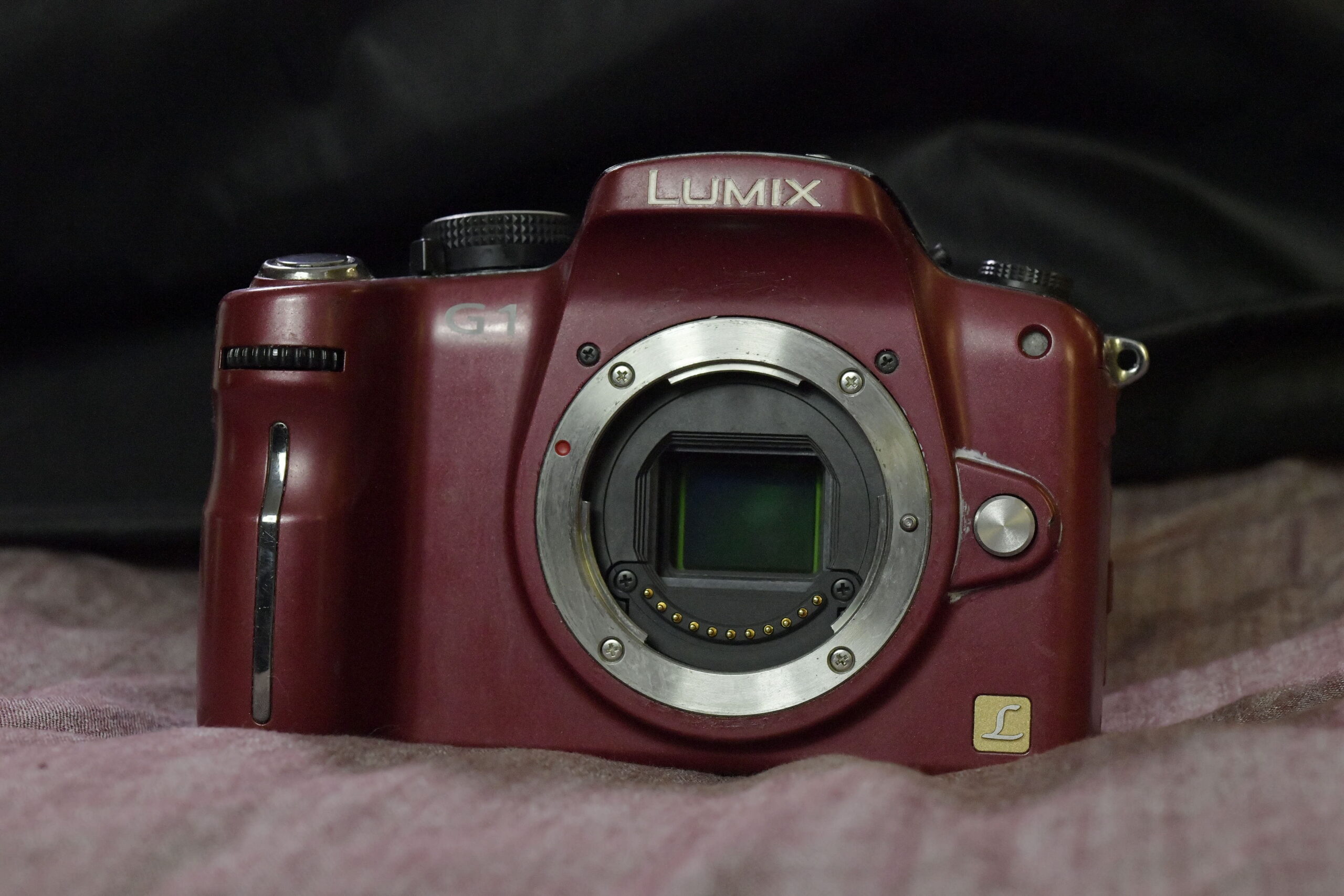
And then came the Panasonic G1
Technological advances gradually removed these obstacles until the arrival of the G1 in 2008.
Before the G1, hybrid cameras had less effective viewfinders, inferior image quality, and slower autofocus, which prevented them from being a serious alternative to SLRs.
The Panasonic G1, with its large micro 4/3 sensor, high-performance autofocus, and efficient electronic viewfinder, demonstrated that this technological solution had become relevant for serious photographic work.
While it would be inaccurate to say that it competed with the high-end SLRs of the time, the G1 paved the way for other hybrid cameras that followed by showing the potential of this system.
The Panasonic G1 in 2025
The Panasonic G1 has since been largely surpassed (no video on the G1, low resolution by current standards, only 12 megapixels, limited dynamic range, etc.).
But when used in good conditions (i.e., without pushing the ISO too high), it will always produce better images than a smartphone.


Photo taken with a Lumix G1 and a adapted Nikkor 50mm f3.5 lens (kit below).
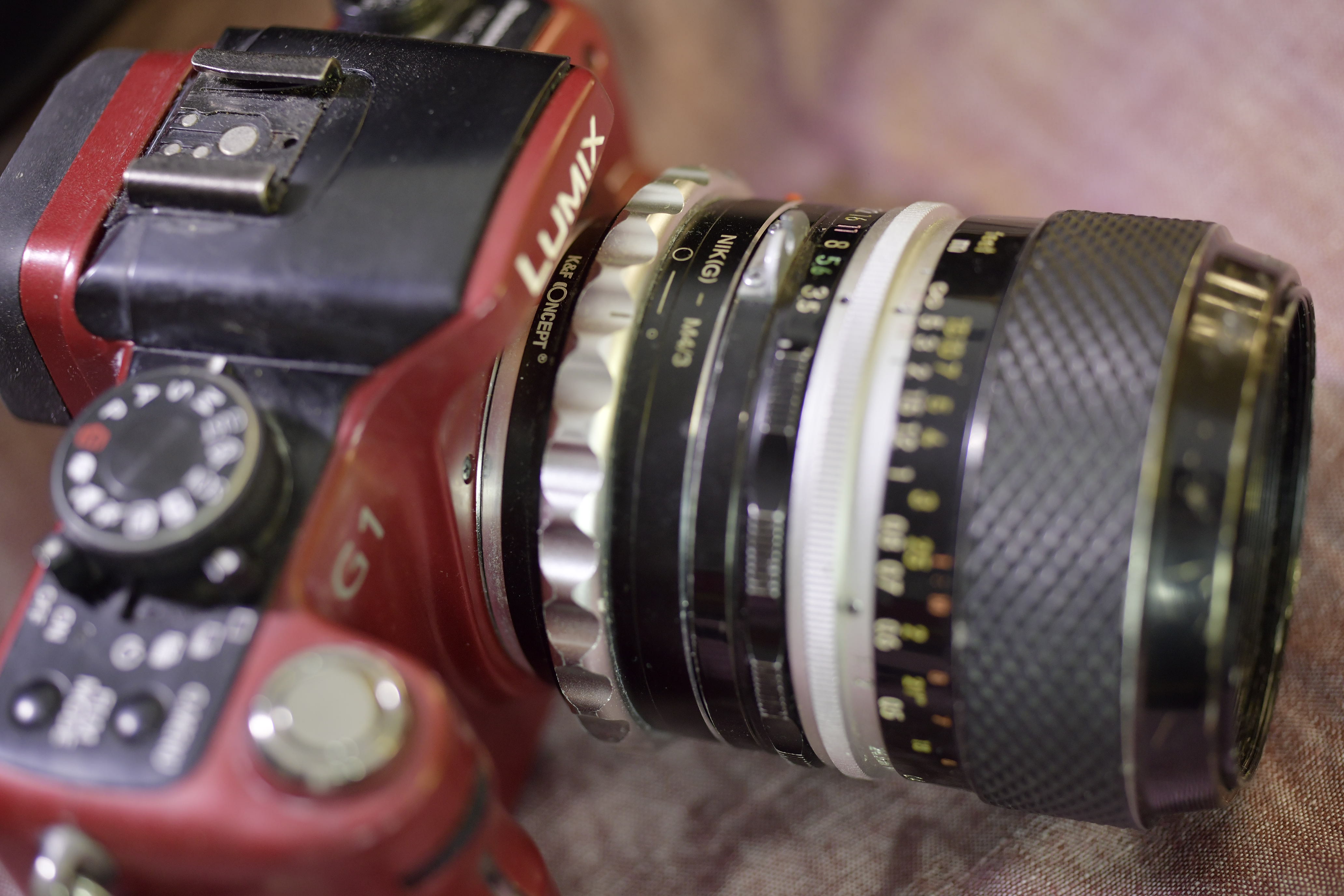
Its main appeal lies in its very low second-hand price (€40 without a lens; anything more than that and you’re paying too much).
If you have some film lenses lying around and want to reuse them without spending too much, you can buy this camera and an adapter.
The body uses the same mount as the m4/3 hybrids produced today, so it can also be used as a backup camera.
The replacement of DSLRs by mirrorless cameras
Today, apart from Pentax, all manufacturers have abandoned reflex viewfinders in favor of electronic viewfinders.
The G1, meanwhile, has had many descendants. The Micro Four Thirds hybrid mount used by the G1 is still used by Panasonic and Olympus.
Sources :
https://fr.wikipedia.org/wiki/Panasonic_Lumix_DMC-G1
https://www.01net.com/actualites/panasonic-lumix-g1-dix-ans-apres-retour-sur-le-premier-appareil-photo-hybride-de-l-histoire-1537205.html












Leave a Reply