


About me
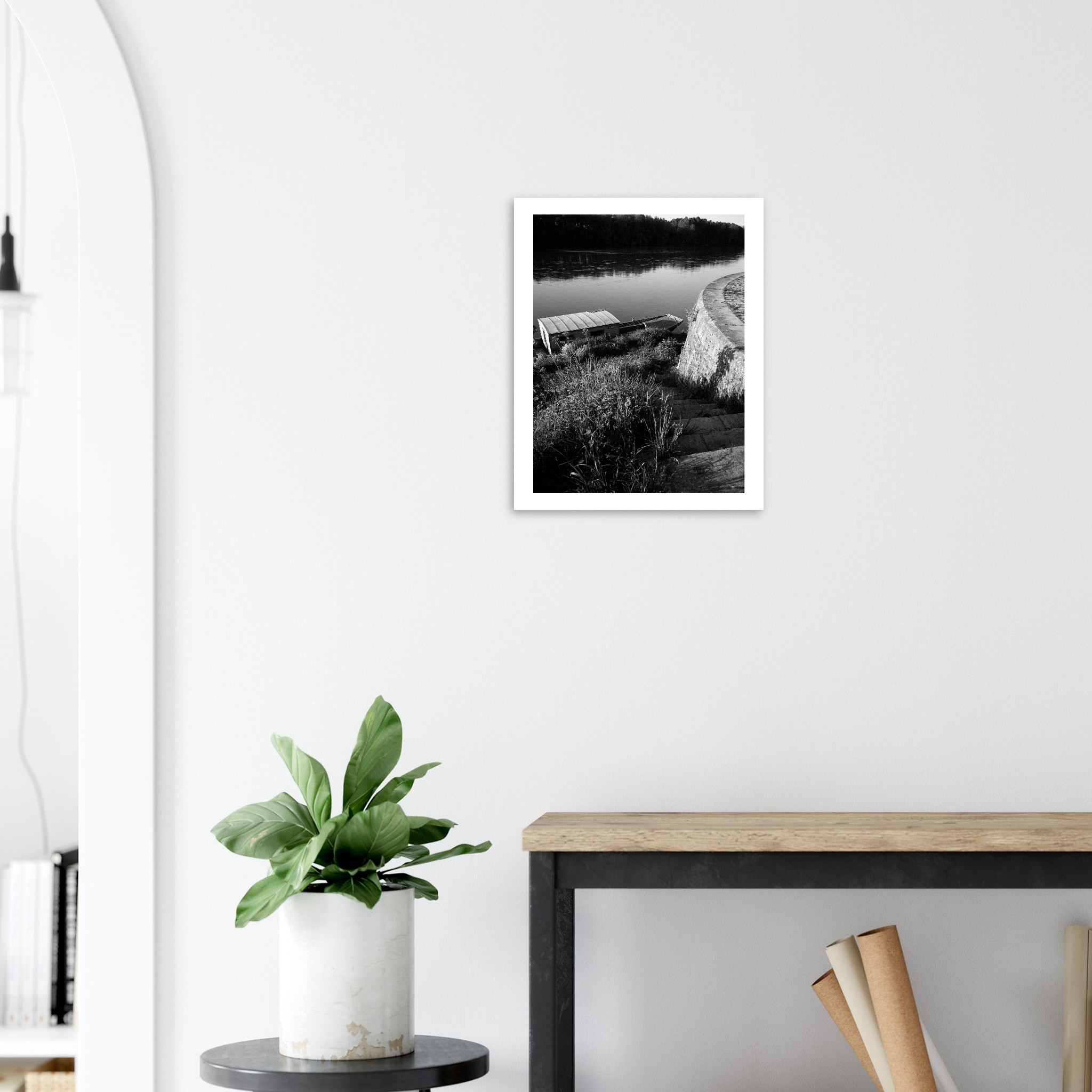
I am Rayhan Rahim Khan, an author photographer creating black and white contemplative pictures. I also publish on ElectroCroissant pedagogical content about photography, and more particularly the creative process.
As an autodidact photographer, I had to learn how to be my own critic to improve my technical and artistic skills. In this post I’ll show you the keys that allowed me to improve my skills from an amateur photographer to an accomplished author photographer.
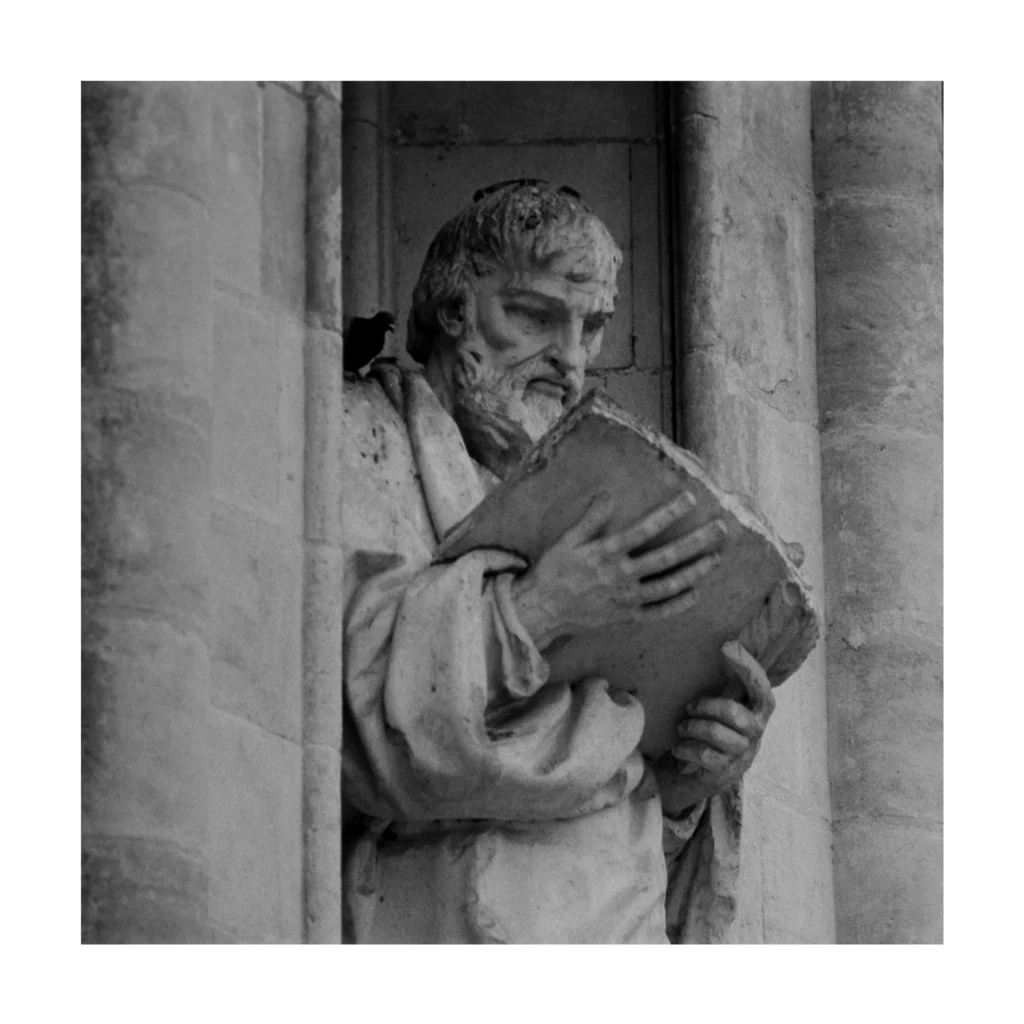
Before I could start producing good images, I had to analyze my previous photographs to learn from my mistakes.
The importance of analyzing your own photographs
Going outside, take some pictures and casually watch them is pleasing. But at the end of the day, you’ll learn nothing and on your next photo outing you’ll end up doing the same mistakes as before.
If you want to create better pictures, you’ll have to take the time to observe your own photographs with a critical eye.
Photo analysis is fundamental to sharpen your photographer’s eye and enhance your skills.
Be your own critic
The mistake of over-relying on the others
Why don’t go on reddit or ask your friends about your photographs?
The answer is that the analysis will be in the vast majority of cases superficial. A five lines reddit comment won’t give you deep comprehension about your photographs. Same applies for the reviews of your friends not interested in photography.
And more importantly, those people don’t know what you really want to show in your photographs. Thus, they may give you self-centric leads that may not fit your vision and put you on the wrong way.
To make it short: a photographer has to primarily rely on himself and his analytic abilities to improve his photographs.
If you want to create unique photographs, the first person you should talk about your photographs is yourself. Other people’s analysis come after.
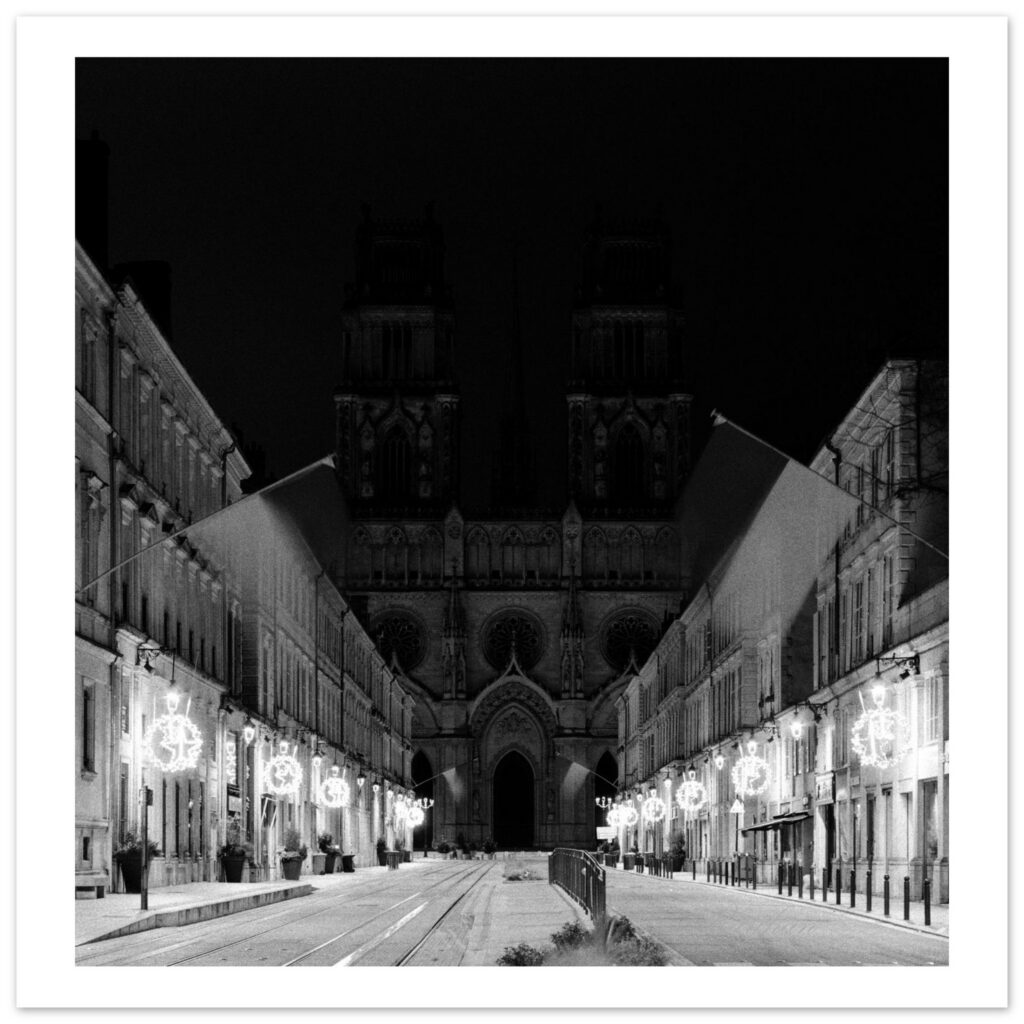
How to critique a photograph
Sit, close your door, be alone and observe the photograph carefully.
Try to make a thorough analysis of it. Go beyond the gut and superficial judgment “I like this photograph” and ” I don’t like this photograph”.
Ask yourself why this photograph makes you say that.
This is how it starts, you asking question about the photograph and try to find the most precise answers on it.
A practical example: how do I criticize my photographs?
I don’t create a table with columns “composition”, “subject”, “contrast”, etc. that I fill in consciously for each photograph.
For me each photographs is different and has its important and anecdotal points.
And I focus on what is important in the photograph.
Sometimes I discover a strength in the image like the a developer and a film association that give nice tones.
But most often, the most useful to progress are the flaws. Like photographing the subject from too far, using the wrong developing time or a flawed composition.
Once you noticed and understand an error you made, you’re most likely to not repeat it.
These analysis are also useful to post process the photographs by pinpointing what is important and should be highlighted and to attenuate the elements that don’t add value to the picture.
Of course, each one is free to set his own methodology. Mine is quite direct and organic while others will prefer a more structured method.
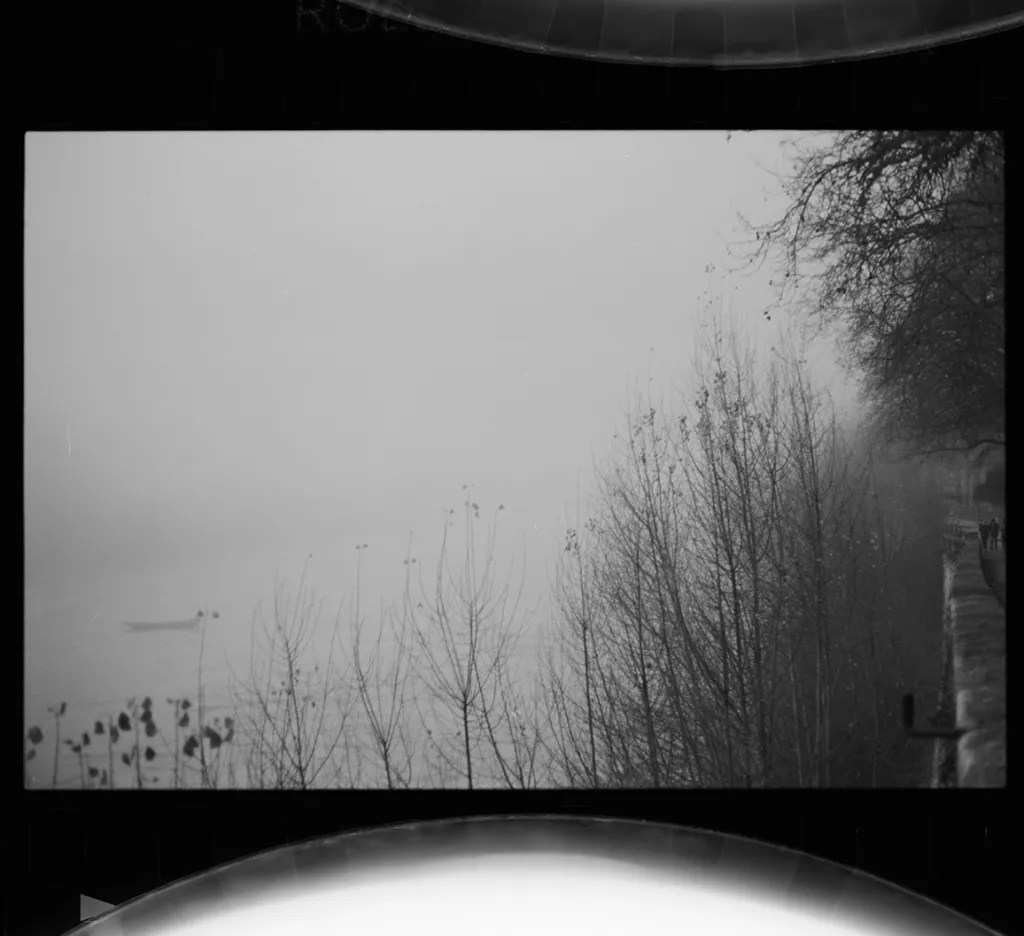
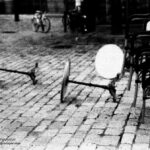
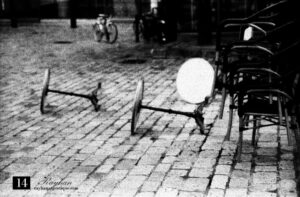
Can you see what is wrong with the composition of this photograph?
If you want to see a thorough analysis of this frame, you can discover it in the first contact-sheet by clicking here.
Increase your photographic analytic vocabulary
But when you start practicing this exercise, the most difficult part is to find the words or analysis grid to use.
This is why it is important to read books about photography, but also books of closely related arts as cinema or painting.
These books can be pure pedagogical books or making-of books, but in both cases, you’ll get the opportunity to enrich your vocabulary and vision as a photographer.
On ElectroCroissant, I analyze my photographs through the contact-sheets format giving you vocabulary and analysis grid on technical and artistic aspects through concrete examples.
Other photographers also made books where they analyze their photographs. You should also read them.
Reading to gather analytic vocabulary and a methodology of analysis is an essential step to master the terms about such domains as composition, contrast, or colors.
This vocabulary is what will allow you to make a thorough analysis of your photograph, and to correct and build your own photographic style.
A long process
What I am proposing is not a ready made solution to make you good photographer nor a playbook to get immediately good pictures in a certain style as often proposed.
It is a long and repeated process that will help you, picture analysis by picture analysis, to master deeply the photographic art and express yourself through it.


Leave a Reply