

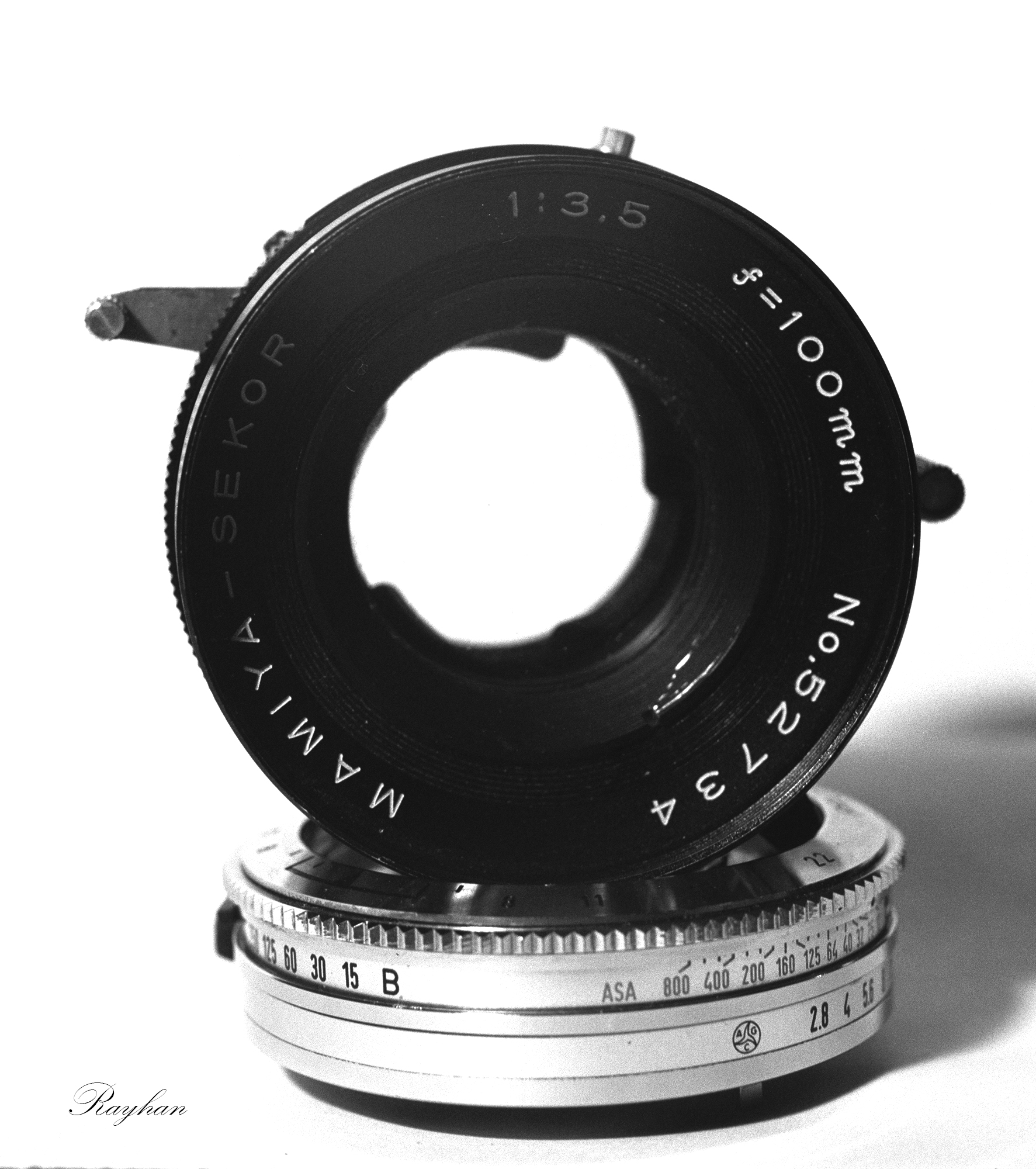

The first shutters
In the early days of photography, emulsions were very insensitive and required exposure times of several seconds without flash.
Photographers then simply removed and replaced the lens cap as a means of shuttering.
This method would not offer the precision and speed needed to properly expose the sensor when faster emulsions became available.
It is simply not humanly possible to remove and replace the lens cap in, for example, a quarter of a second.
Therefore, a mechanism was needed to achieve this result:
Leaf Shutter
A leaf shutter is mecanism generally included in the lens that open and close an diaphragm during the time we want to expose our photo.
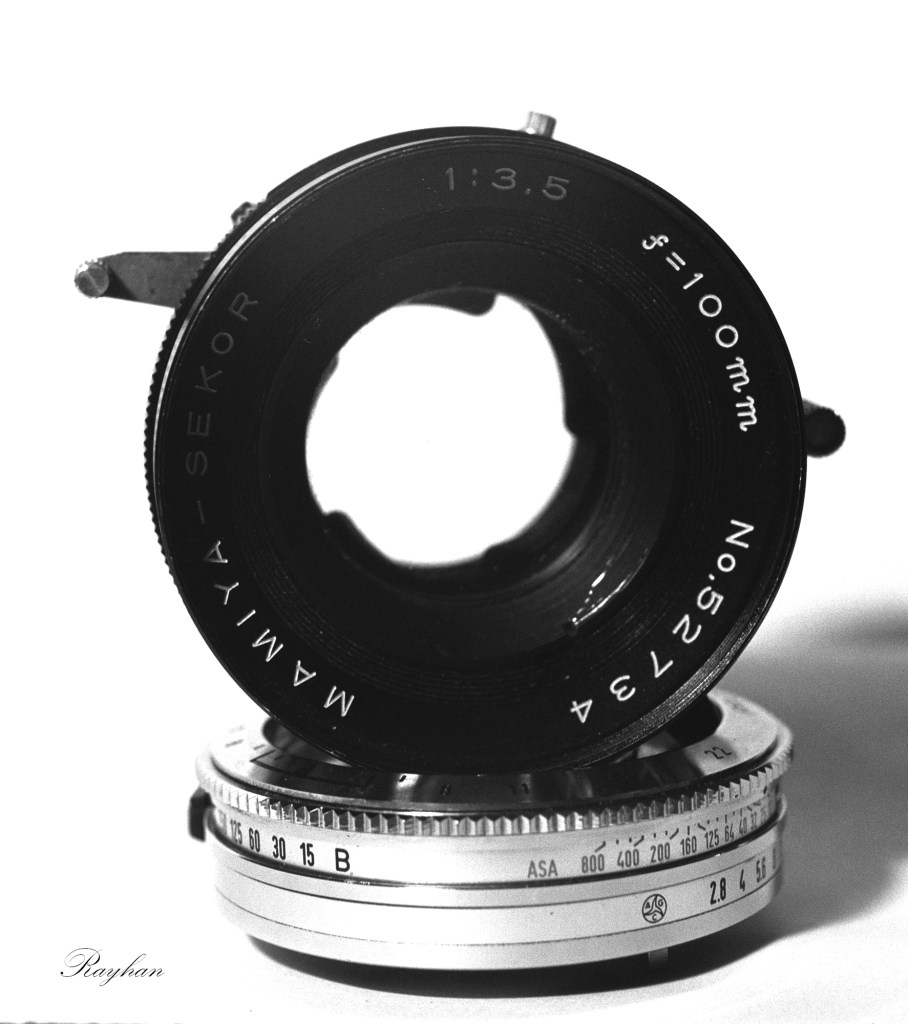
You can see the shutter blades here.
They separate to allow light to reach the film, then close again to block it.
The central shutter allows for lighter and more compact cameras than those using a focal plane shutter.
However, the focal plane shutter offers superior shutter speed performance. On average, a focal plane shutter is four times faster (two stops faster).
The focal plane shutter
The focal plane shutter is located directly in front of the film. It consists of two curtains that follow one another.
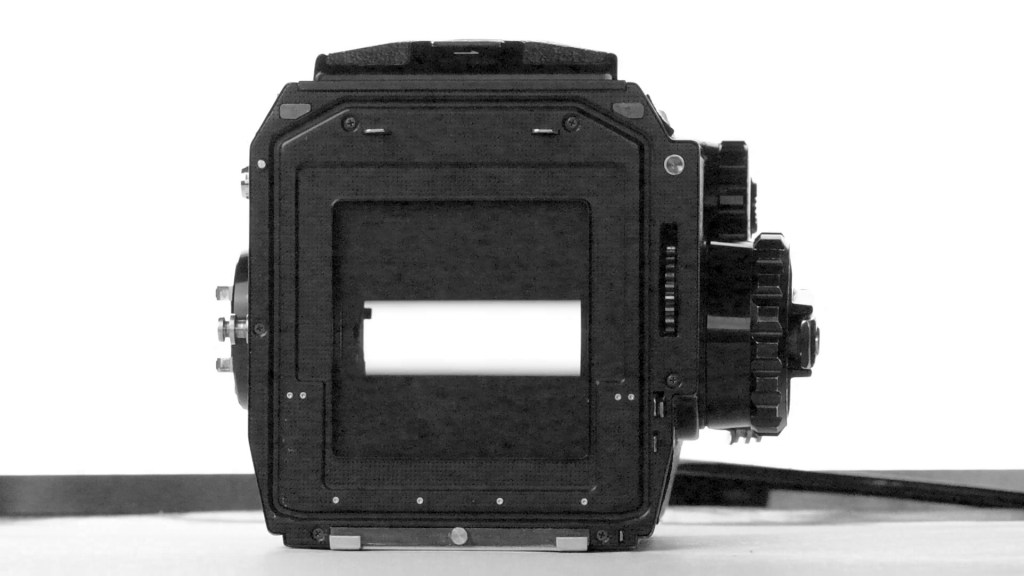
The idea is to be able to play with the spacing on the curtains in order to obtain shorter exposure times.
Not exposing the entire sensitive surface at the same time allows for shorter exposure times.
If this system offers shorter exposure times, why continue to use a central shutter?
Flash synchronization
Unlike a leaf shutter, which allows flash to be used at all speeds, a focal plane shutter imposes a maximum shutter speed.
This poses a problem if the photographer wants to use flash and a continuous light source (such as the sun) simultaneously.
The problem of flash synchronization with a focal plane shutter
The duration of a flash is short, much shorter than the time it takes for the shutter curtains of a focal plane shutter to complete their travel.
Therefore, the sensor must be fully exposed for the flash to be effective.
This means that the first curtain must have finished its travel before the second curtain moves. Otherwise, the image will be unevenly exposed.
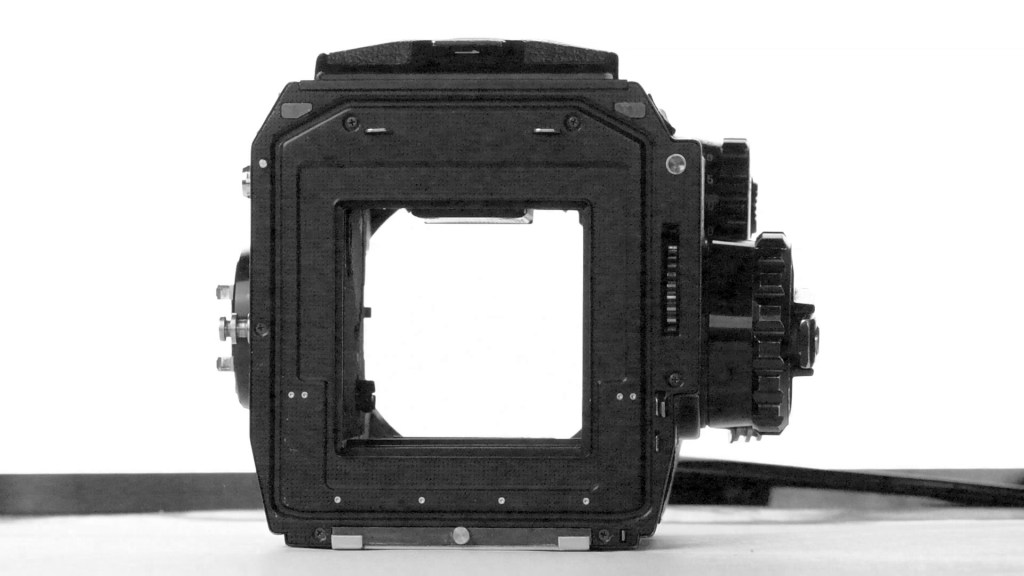
The two curtains do not travel across the sensitive surface at the same time, so the use of flash is possible.
Both curtains move across the sensor simultaneously.
Using flash under these conditions will result in an unevenly exposed photograph.
The flash sync speed is the fastest usable shutter speed with a flash.
For a focal plane shutter, the flash sync speed is therefore the fastest speed at which both shutter curtains do not move across the sensor simultaneously.
Faster speeds, which require the simultaneous movement of both curtains, are therefore not usable.
Two systems to use depending on the size of the sensor
The longer the path the shutter curtains have to travel, the slower the flash sync speed will be.
While the flash sync speed remains acceptable for 35mm film, the situation is different for larger formats.
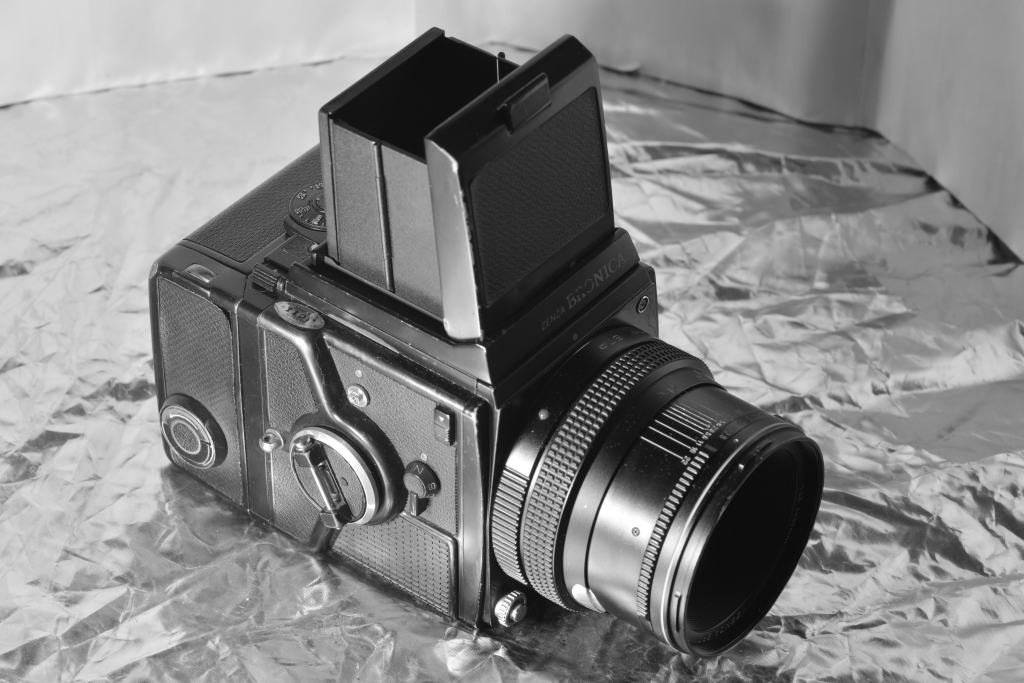
This is why the central shutter is so popular for medium format (or larger) cameras, like this Bronica SQ-A.












Leave a Reply