


| Agfa APX 100 (100 ISO) | FX-39 II |
| Format: | 35mm |
| Exposed at: | 100 ISO |
| Developer dilution: | 1+19 |
| Development time: | 17 minutes |
| Temperature: | 20°C |
| Agitation: | 8 inversions initially, then 4 inversions every minute |
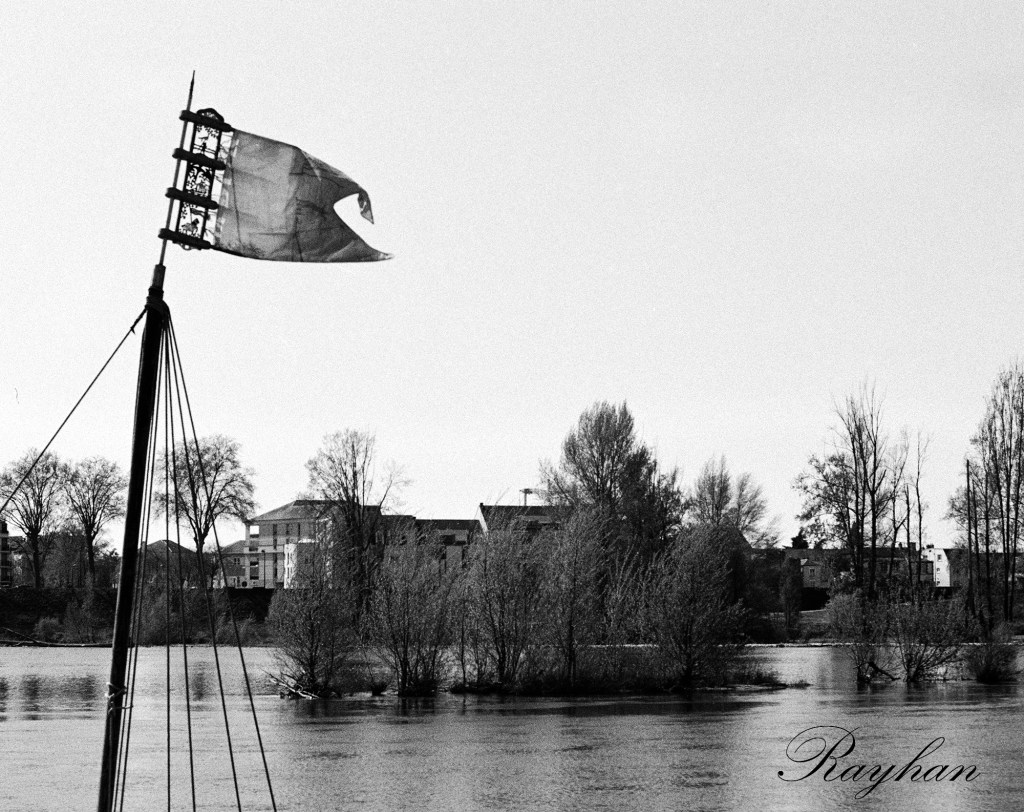
An undocumented dilution
I could not find any development times for this dilution. So I simply doubled the recommended development time for a 1+9 dilution.
Subtle grain and strong acutance
The grain, which was more noticeable with Delta 400 in medium format, feels much less intrusive here. It is still visible, but its presence remains pleasant and adds character to the image.
Likewise, details are rendered very clearly.
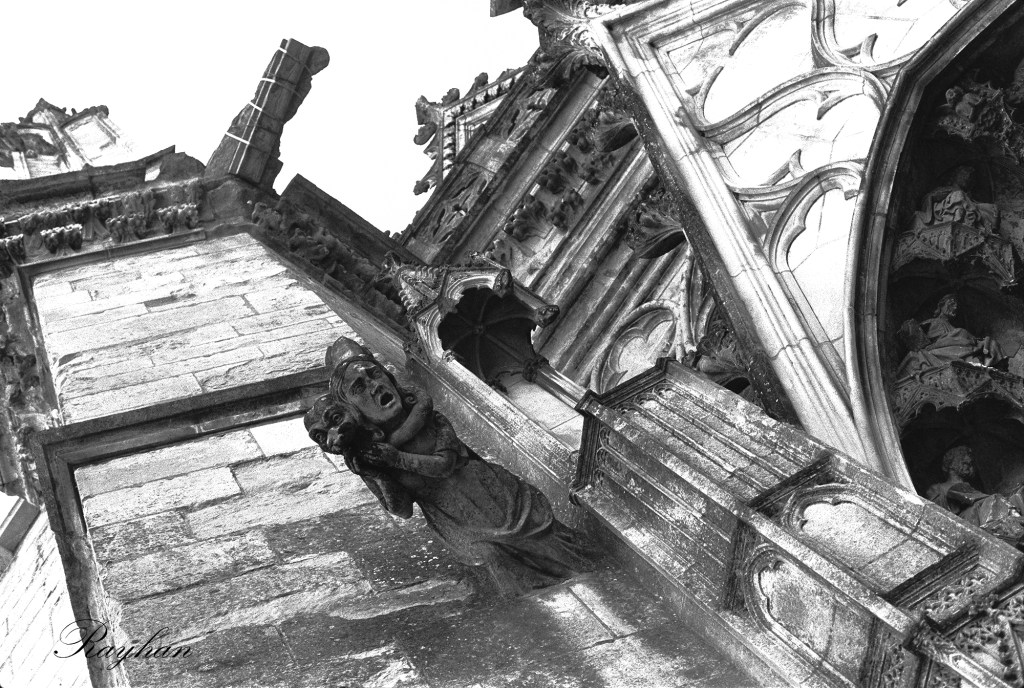
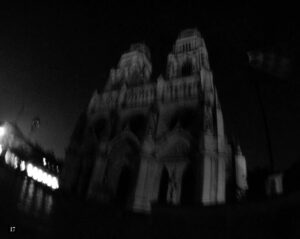
Gargoyle. Sainte-Croix Cathedral of Orléans. Orléans. April 2025. © Rayhan RAHIM KHAN

Gargoyle, Sainte-Croix Cathedral of Orléans. Orléans. April 2025.
More satisfying tonal rendering
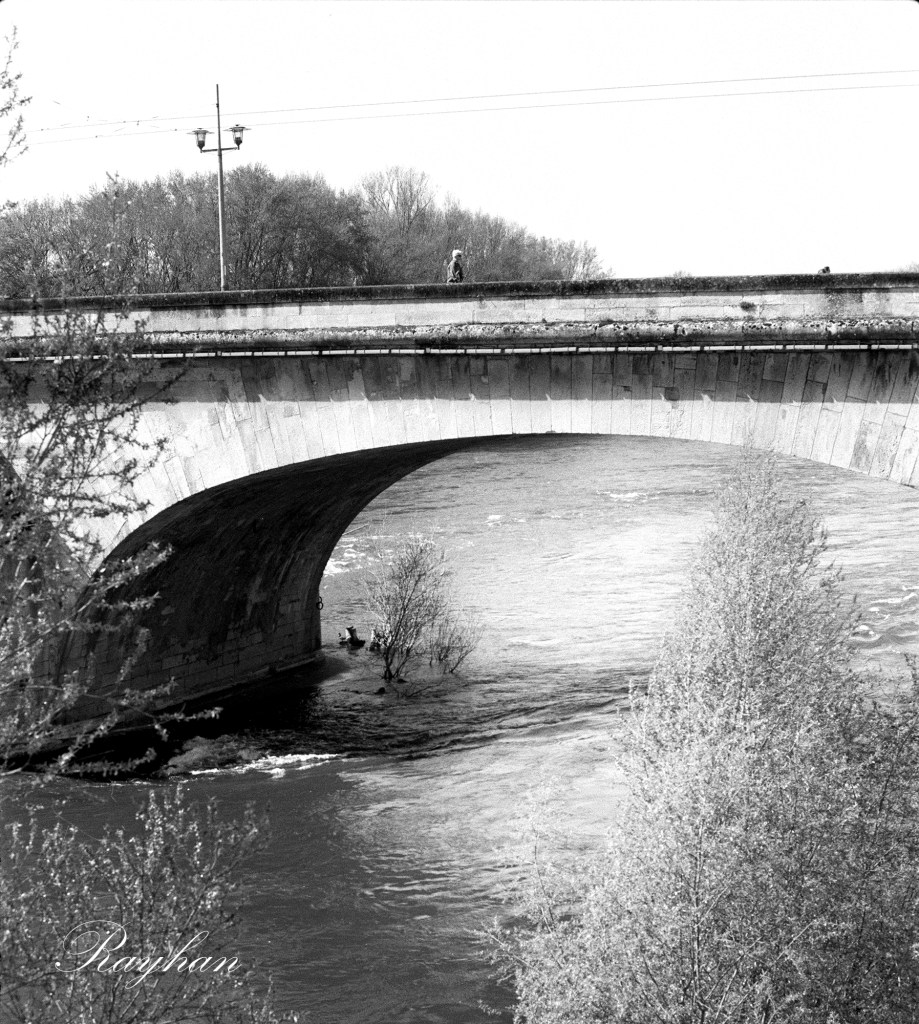
The 1+19 dilution worked as expected: details are preserved in both bright and shadowed areas.
However, unlike the Delta 400 — where I regretted the lack of separation in the midtones — the tonal rendering is satisfying here.
The negatives are also easy to edit and print from.
An effective development process at 100 ISO
Here, just as with the upcoming Delta 100 development test, the results are satisfying. In the end, FX-39 II diluted at 1+19 seems to be a very good choice for developing 100 ISO tabular-grain films.
It appears to work less effectively with faster films (400 ISO), where grain becomes more pronounced and midtones flatter — although that will always remain a matter of personal taste.
An excellent developer choice
FX-39 II once again confirms its affinity for films rated below 200 ISO. Tonal rendering is pleasing, details in highlights and shadows are preserved, acutance is strong, and grain remains discreet for 35mm photography.








Leave a Reply