


Introduction
I’ve been practicing photography for years, and I realized that a few habits played a key role in my journey from a beginner to an experienced fine art photographer. In this post, I am sharing these habits with you.
Take your time before taking a picture
When I started photography, I had the bad habit of rushing to take a photograph. Sometimes it was because there were people around and I was shy or I just didn’t see the point of thinking before shooting.
But it was a big mistake. Indeed, instead of shooting immediately after seeing something interesting, you should always stop and take a moment.
What is the best angle to frame?
What is the best composition?
What story do you want to tell?
Ask yourself a few questions before bringing the camera to your eye. This single minute spent thinking improves your photographs dramatically.
Practice Creativity
Creativity is often overlooked in favor of technique or gear, which I think is very wrong. But obviously, if you want to create even slightly unique and original photographs, you need creativity.
And what I learned is that creativity doesn’t happen with a snap of your fingers, nor is it something you acquire through theoretical lessons.
It is more like a muscle, the more you train yourself to connect idea or try to get off the beaten track, the more creative you’ll be.
But how to “practice” photographic creativity? Actually, you can easily find opportunities to do that every day.
When you see a photograph on the cover of a magazine or on a billboard at a bus stop, ask yourself how you would have done this photo. Or after reading a book, think about what photo you would have taken if you were to create the book’s cover.
Reflect on your own (or others) work
When I started photography I quickly reached a plateau in my progress. I was going outside nearly everyday to take photos. But when I reviewed my images, I noticed no improvement.
My mistake was that I was not analyzing my photos but just sorting them into two categories: “good” or “bad”. It was a vicious cycle, as I learned nothing from my photos, I kept doing the same thing again and again which produced the same results and the same issues.
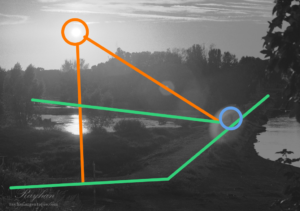
This is why it is important to take the time to analyze your photos in depth. Ask yourself questions such as: Is the composition good? Are the colors bad? Is the subject interesting?
The more you analyze pictures, the more you’ll be able to realize your mistakes and correct them but also define what you want and what to do when photographing.
You can do this exercise on your photos (good or bad) but also on the photos of other photographers to gather new ideas.
If you want to see how I analyze my photos you can view the studies I write here. I also explain my thought process when creating a photo in the contact sheet posts. I created this content to help you to learn how to analyze your photos and improve your creativity. It is only $8 per month and you have three days to get a refund if you are not satisfied, so don’t hesitate to give it a try!
Cultivate Yourself
When I said that you should analyze the work of other photographers, I am not talking about Instagram photos or Youtube vlog photos. You may be entertained by a creator, but that does not make them a great photographer.
I insist on this because a lot of people are unable to tell the difference between content that has substance or artwork and funny stuff that helps pass the time.
If you want results, learn from the work of those who really are into crafting great photographs. Take my case, for example, I a am a fine art photographer because I’ve worked seriously for years to create -and I hope I created some- great photographs. And when I create videos and posts, my goal is to bring you useful knowledge that is worth your time, rather than grabbing your attention at all costs by sacrificing depth.
Ansel Adams, Michael Kenna, Willy Ronis, even painters like Leonardo Da Vinci, Turner, Fragonard or whoever you want.
This is the material you should learn and take inspiration from. Make the effort to break free from youtube or instagram algorithms, and perhaps invest little money in books or museum tickets and you’ll find photos and artworks that are worth analyzing.
Produce Finished Work
I don’t know about you, but I don’t take photos for the pleasure of hearing the shutter click or holding a camera. I take photos to get results that I could do something with. So, don’t leave your photographs locked away on the SD card or in a binder.
Do something with your photos. Producing and seeing these results will fuel your passion for photography and lead you to practice more often, resulting in better images. It will create a virtuous cycle.
You can easily print your photos and display them or simply use them as wallpaper for your computer or your phone.
Practice!
Even when I go outside for other things, I always observe my environment and look for opportunities to take photos. You may not always have a camera on you, but you certainly have a smartphone that takes pictures, so you have no excuse!
Keep your eye active, always look for opportunities to take great photos.Eventually, it will become instinctive and you’ll no longer miss any opportunities.
Conclusion
These habits and techniques played a key role in helping me become the photographer I am today and will keep helping me improve, I hope you find them useful!
Let me know in the comments if you know other techniques to improve!
Leave a Reply