


Introduction
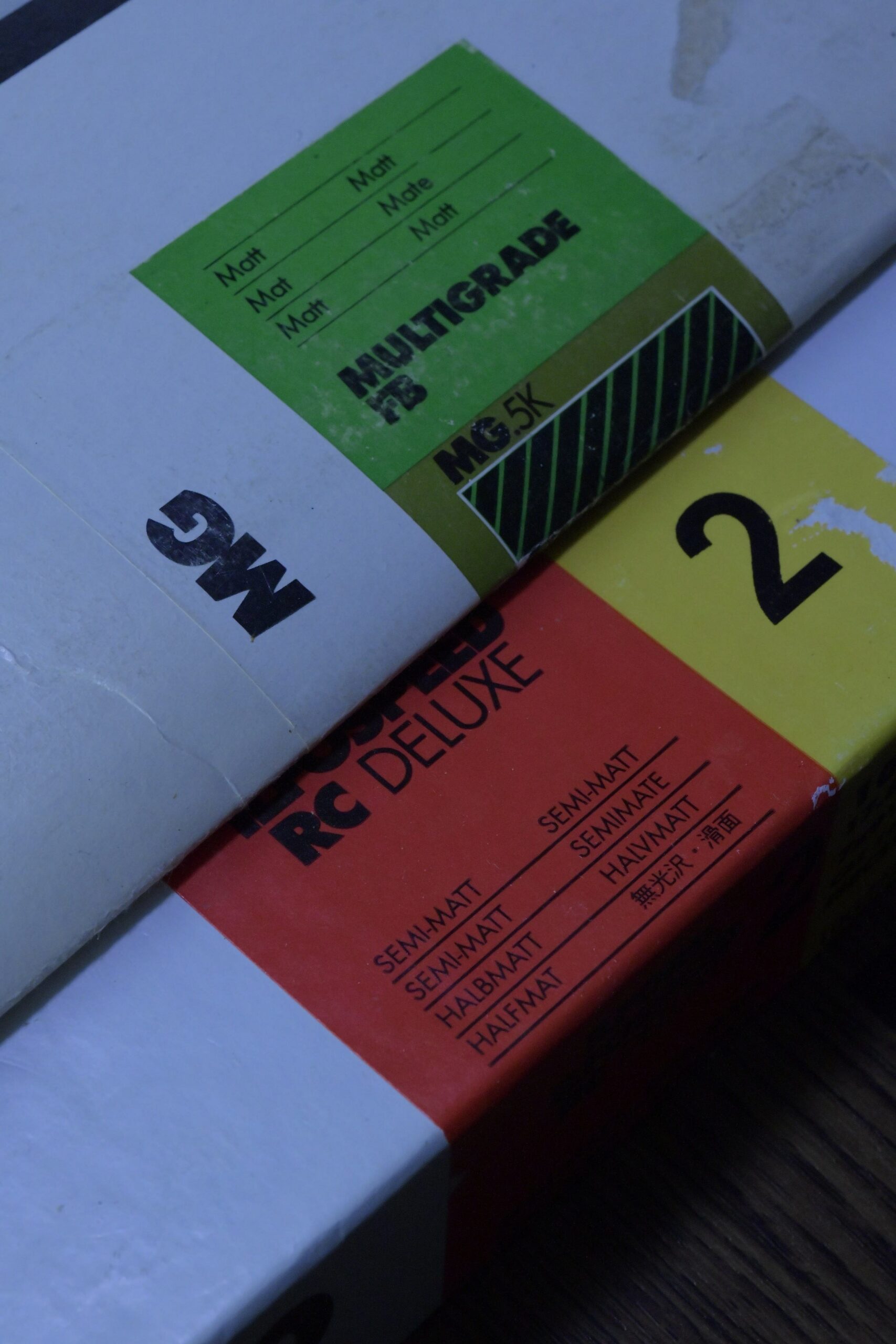
When getting started with darkroom printing, you will quickly face a choice: should you use RC paper or fiber-based paper?
Both types of paper have their advantages and disadvantages.
In short:
RC paper allows you to produce prints quickly, while fiber-based paper produces more “noble” prints with greater collector value, but requires significantly more work.
The Two Types of Paper in Detail
RC Paper: Easy to Use and Practical
Ideal for Beginners in Darkroom Printing
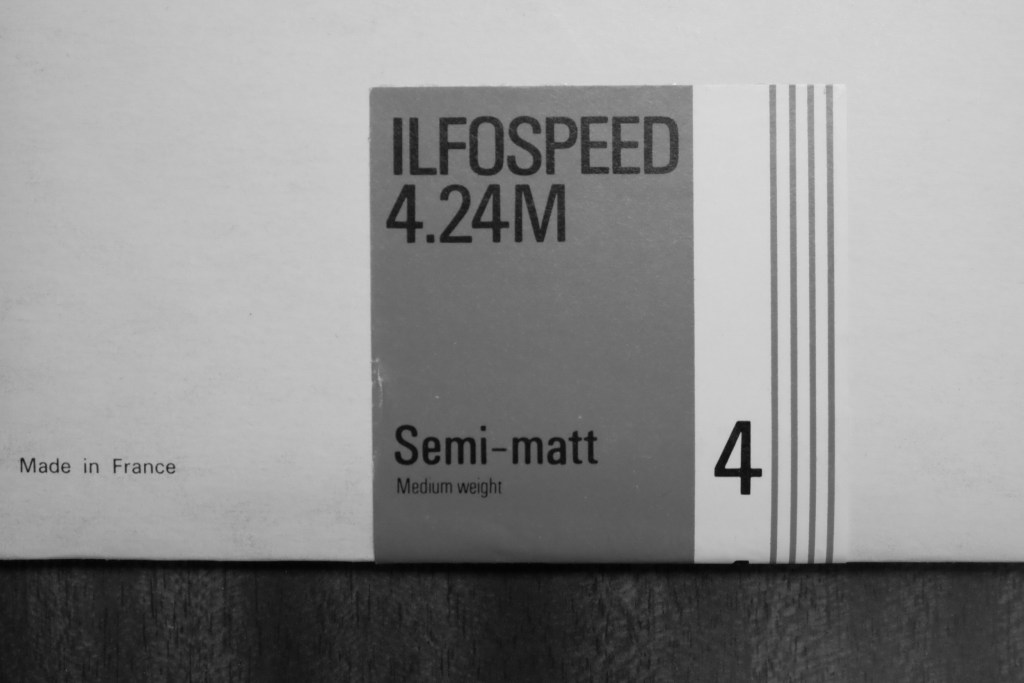
RC paper, which stands for Resin Coated paper (sometimes called “plastic paper”), is extremely easy to use. This simplicity makes it ideal for beginners in darkroom printing.
A Short Processing Time: 5–10 Minutes
Processing times are short (expect around 5-10 minutes to produce a print), and no additional handling is required after development.
20 Minutes of Drying Time
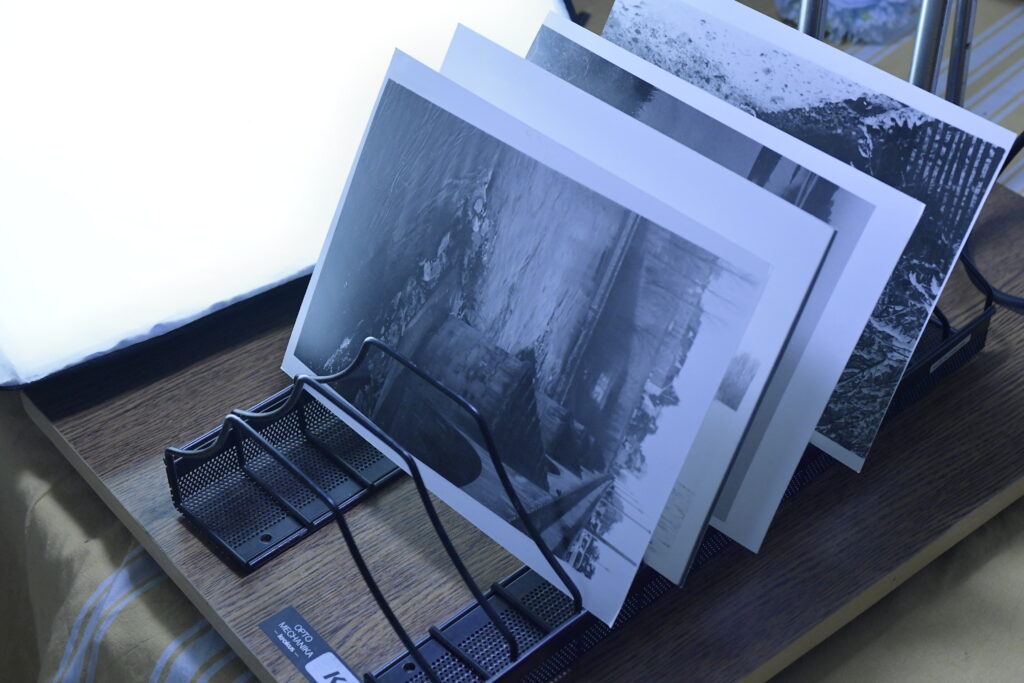
You simply need to wait 10–20 minutes for the paper to dry before framing the print. [1]
A Less Elegant Finish Than Fiber-Based Paper
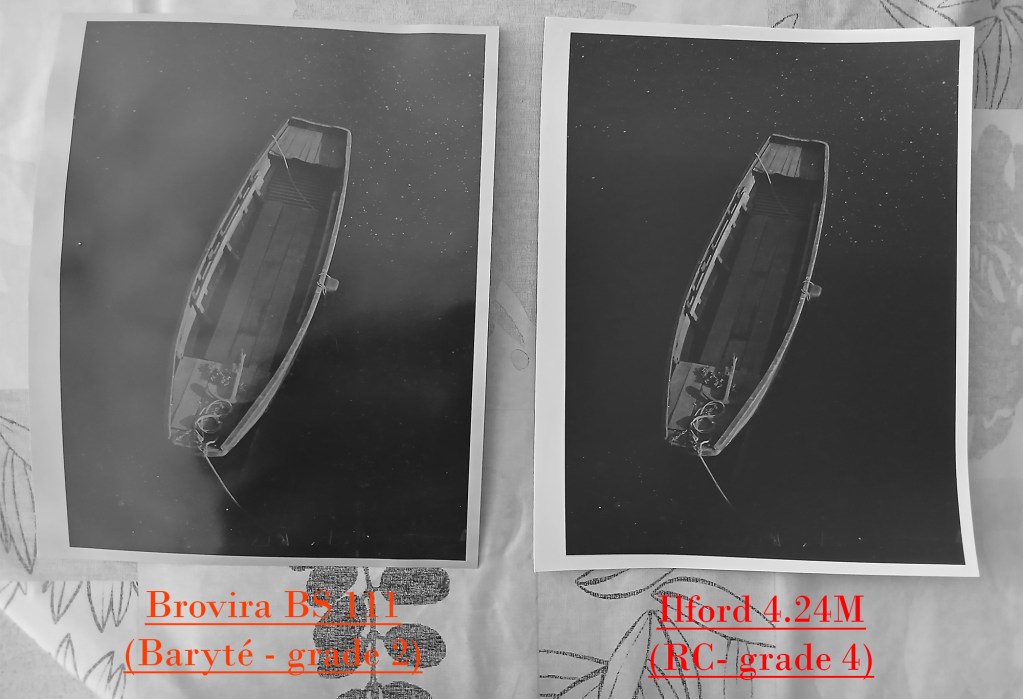
Although RC paper delivers excellent results, it has one weakness compared to fiber-based paper: the blacks are less deep. Many photographers also consider fiber-based paper to be more refined and prestigious.
Archival Life of Up to a Century in Optimal Conditions
Fiber-based paper can last several centuries (around 60-400 years if properly stored [2]), whereas RC paper generally lasts only several decades, or up to a century at best.
To Summarize
Advantages of RC Paper
- Easy to use
- Short processing time
- Can be framed immediately after drying.
Disadvantages of RC Paper
- The plastic coating of RC paper is considered less noble than the cotton fiber base of fiber-based paper
- A fiber-based print is generally more attractive to collectors because it takes longer to produce, limiting the number of prints made
- Blacks produced on RC paper are less deep than those on fiber-based paper
- Shorter archival life compared to fiber-based paper.
Fiber-Based Paper: Noble but Difficult to Master
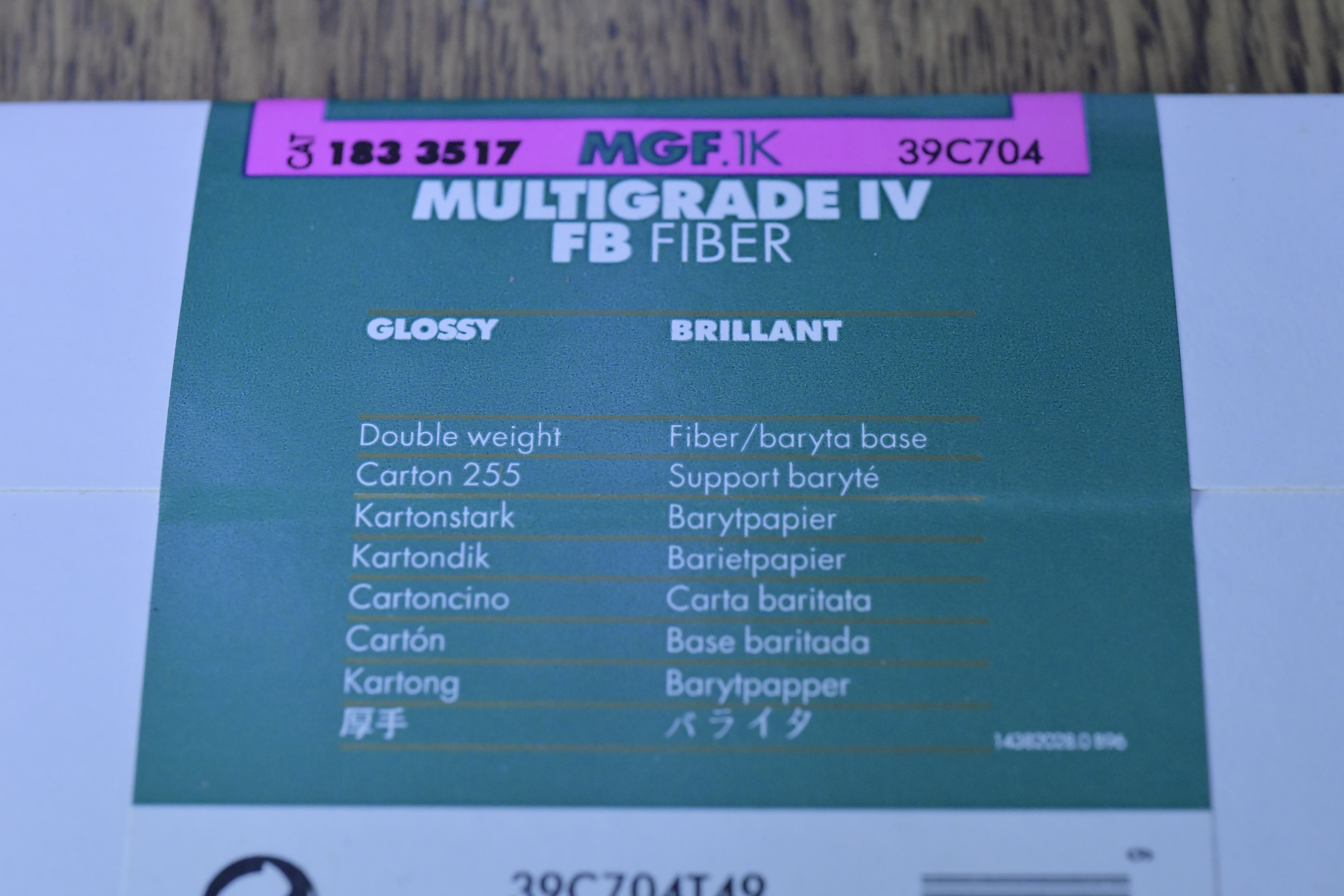
Fiber-based paper is made from cotton fiber.
A Production Process That Takes at Least Half a Day
Processing times are roughly four to five times longer than with RC paper.
Depending on the methods used, it can take anywhere from half a day to 72 hours before a print is ready to frame.
At Least 20 Minutes of Washing
Fiber-based paper requires a minimum washing time of 20 minutes (compared to only 2 minutes for RC paper). Producing and washing a fiber print takes approximately 30–45 minutes before it can be left to dry.
Drying
Air Drying
You must then carefully dry the print while preventing the cotton fiber paper from curling. Drying takes several hours, and precautions must be taken to keep the print flat.
Or Using a Ferrotype Dryer
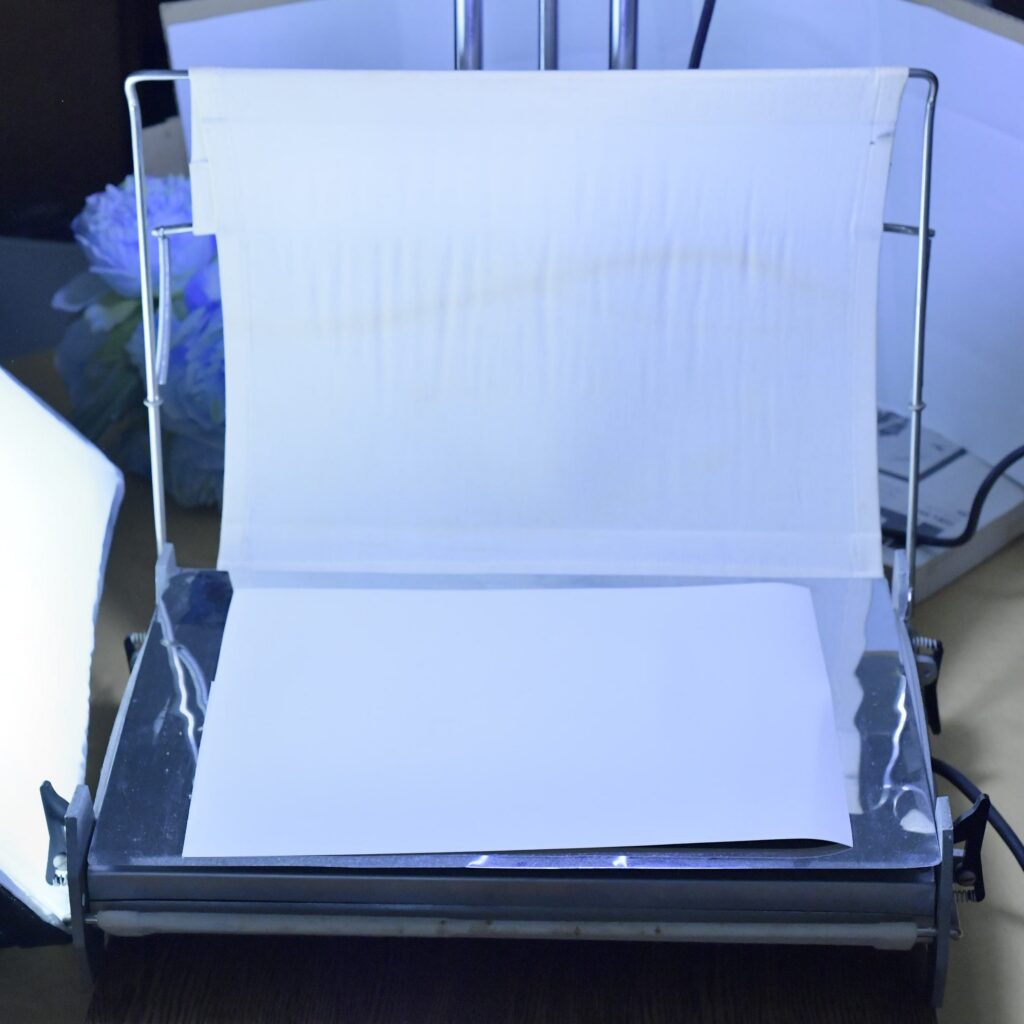
You can also use a ferrotype dryer to dry the print more quickly.
A ferrotype dryer for fiber-based paper.
Flattening the Print
After drying, the print is usually placed under a stack of books or in a press for anywhere from 6 hours (for glossy or semi-gloss finishes) up to 72 hours so the print remains flat and does not warp.
Half a Day to 72 Hours of Waiting
You must therefore wait at least half a day before framing a fiber-based print.
A Process That Takes Time to Master
The learning curve is also steeper.
Mastering the process to obtain a perfectly flat and usable print may require several attempts.
A More Elegant Finish Than RC Paper
Ferrotyping
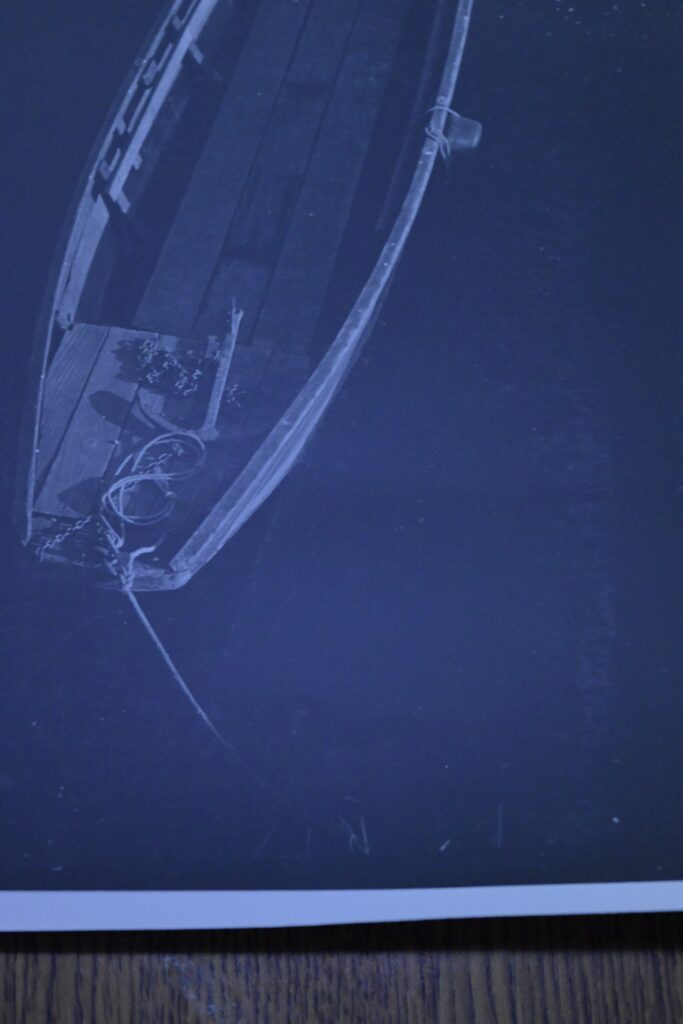
One advantage of fiber-based paper is that it can be ferrotyped, producing glossy prints with beautiful reflective highlights.

A glossy ferrotyped fiber-based print.
Note that the paper is not perfectly flat.
Or a Satin Finish
You can also use the ferrotype dryer to obtain a satin finish by placing the image facing the canvas instead of the plate.
Longer Archival Life Than RC Paper
Fiber-based paper can also last for several centuries if stored under optimal conditions.
To Summarize
Advantages of Fiber-Based Paper
- Deep blacks
- Ferrotyping possibilities
- The noble appearance of cotton fiber paper
- Archival longevity over several centuries
Disadvantages of Fiber-Based Paper
- Long processing times. You will usually need to wait overnight before framing your print.
- More difficult to master: drying prints correctly and keeping them perfectly flat requires practice and experience.
Conclusion: Two Complementary Types of Paper
RC and fiber-based papers can be seen as complementary.
RC paper is useful for learning darkroom printing and making test prints.
Fiber-based paper, on the other hand, is intended for more serious applications when you want to produce a higher-quality, more exclusive print.
Sources :
[1]«At room temperature, prints dry in 10–20 minutes.» https://www.ilfordphoto.com/amfile/file/download/file/1826/product/1872/







Leave a Reply