


Introduction
Once upon a time, French people used cameras such as Foca, SEM, Kinax, Royer, Alsaphoto and other local manufacturers to take photos.
But why did all of these brands suddenly disappear during the 1960s?
Entry-Level Camera Manufacturers
A huge part of the French camera industry in the 1950s and 1960s consisted of mass-producing low-priced cameras for the general public.
These cameras built by Fex or MIOM were very basic. They had a single-element lens, one shutter speed and were made of bakelite, and later, plastic.
The rise in the standard of living among the French people during the 1960s caused sales of these cameras to plummet. Nevertheless, Fex survived until the 1980s, Hong Kong-based competitors entered the market with even cheaper cameras.
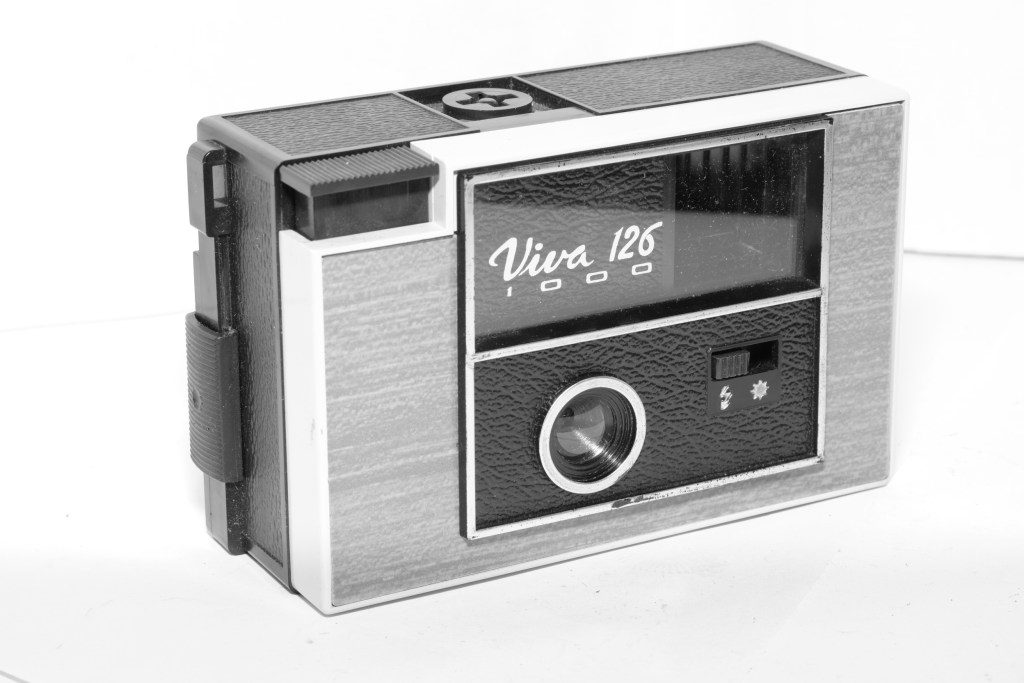
Produced in the 1970s, the Viva 126 series was, as you can see, made to cost as little as possible.
Mid-Sized Camera Manufacturers
Basic cameras
At the end of the 1950s, the french market was still dominated by medium format cameras even though 35mm was starting to gain ground. Back then, most of the mid-sized camera manufacturers produced medium format twin-lens reflex and folding cameras aimed at amateur photographers.
I would say that what characterized these cameras was their low level of mechanical sophistication. They were made to be simple to produce. Only the absolute minimum needed to make the camera functional was built in. Comfort and ease of use were relegated to a secondary concern.
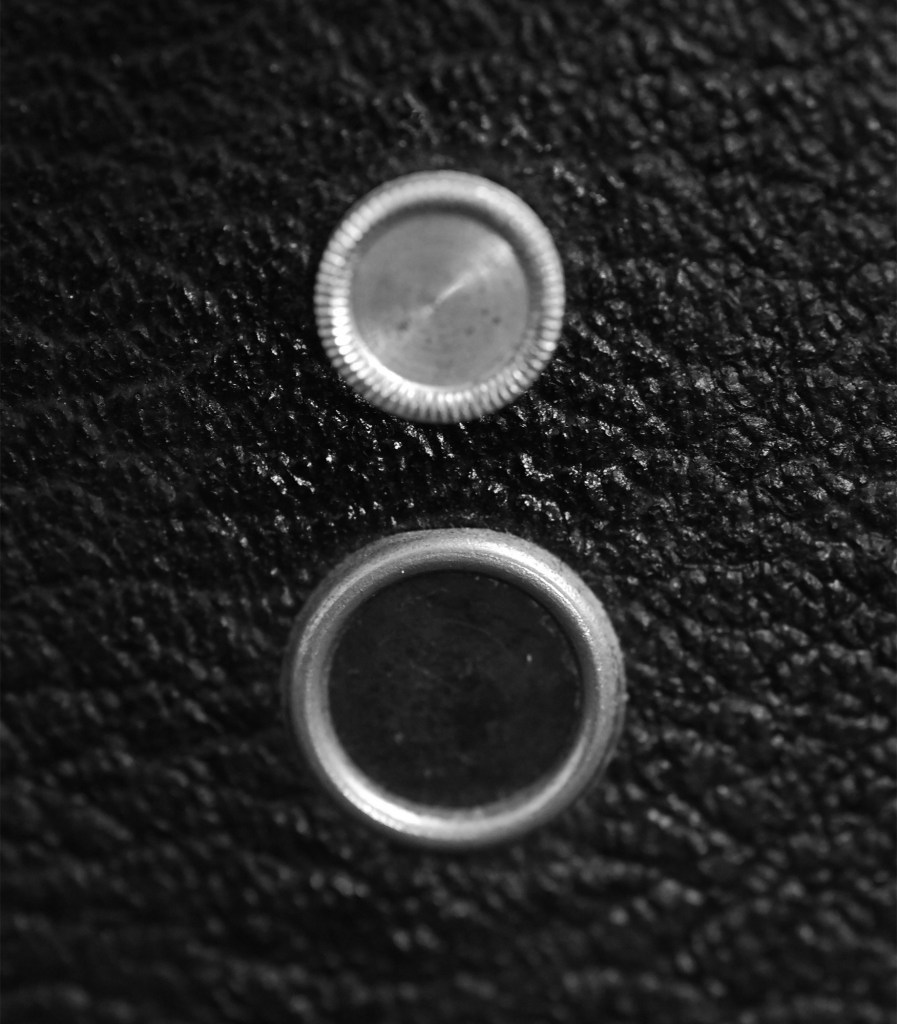
All French medium-format cameras used a red window for film winding.
With the exception of TLRs made by SEM for professionals.
Third-party lenses
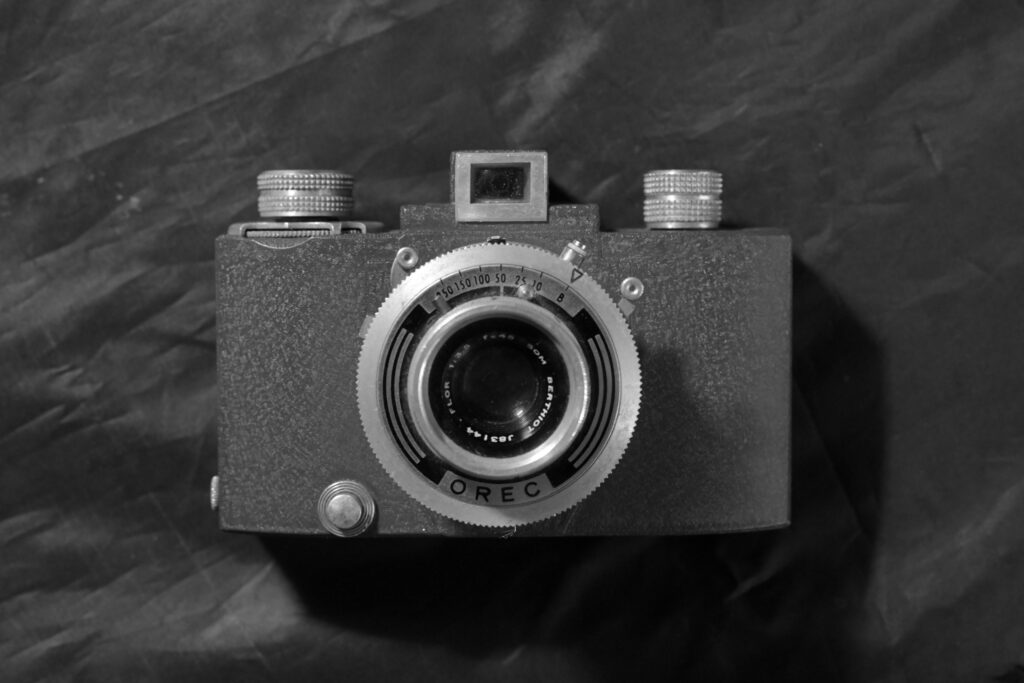
Most of these camera manufacturers didn’t produce lenses. They bought lenses from a handful of manufacturers, such as Boyer, SOM-Berthiot, and Angénieux. The choice of optical design was limited: it was a triplet or a Tessar one at best. The central shutter fitted to these lenses could also be bought from third-party manufacturers. I couldn’t say that I was impressed by those lenses. Sharpness was decent, but poor lens coatings impaired image quality.
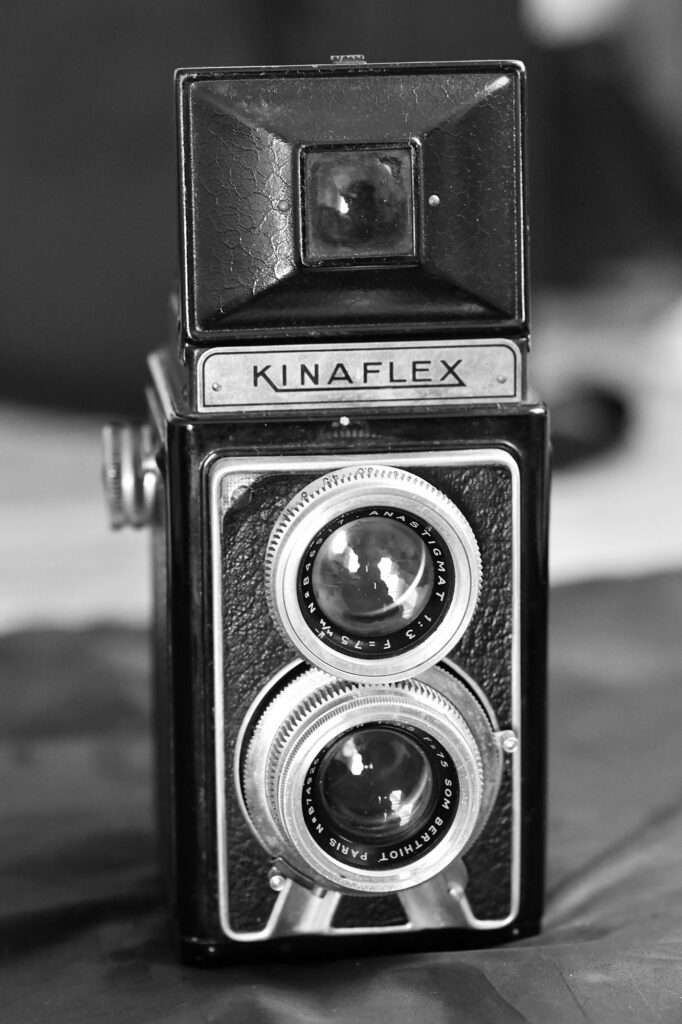
More problematically, the mechanical precision of these cameras was not always perfect.
The focusing mechanism could be misaligned, leading to inaccurate focus.
This was particularly problematic for medium-format cameras given their shallow depth of field… In practice, photographers had to stop down to f/8 or f/11 to compensate for this lack of precision.
These French cameras were lazily engineered with mediocre build quality compared to what German manufacturers were doing at the same time.
The End of Protectionism
This leads us to what hit French camera manufacturers at the end of the 1950s. Prior to this period, if you wanted to buy a camera in France, you were effectively forced to buy a French camera due to protectionist laws. After France opened its market to foreign countries at the end of the 1950s, it faced fierce competition from the arrival of German cameras and it became even worse when Japanese cameras entered the market in the early 1960s.
While French cameras remained cheaper, these foreign cameras were reasonably priced and superior in every aspect.
A comparison
Let’s compare a Sem Baby with a Zeiss Ikon Contina from the 1960s.
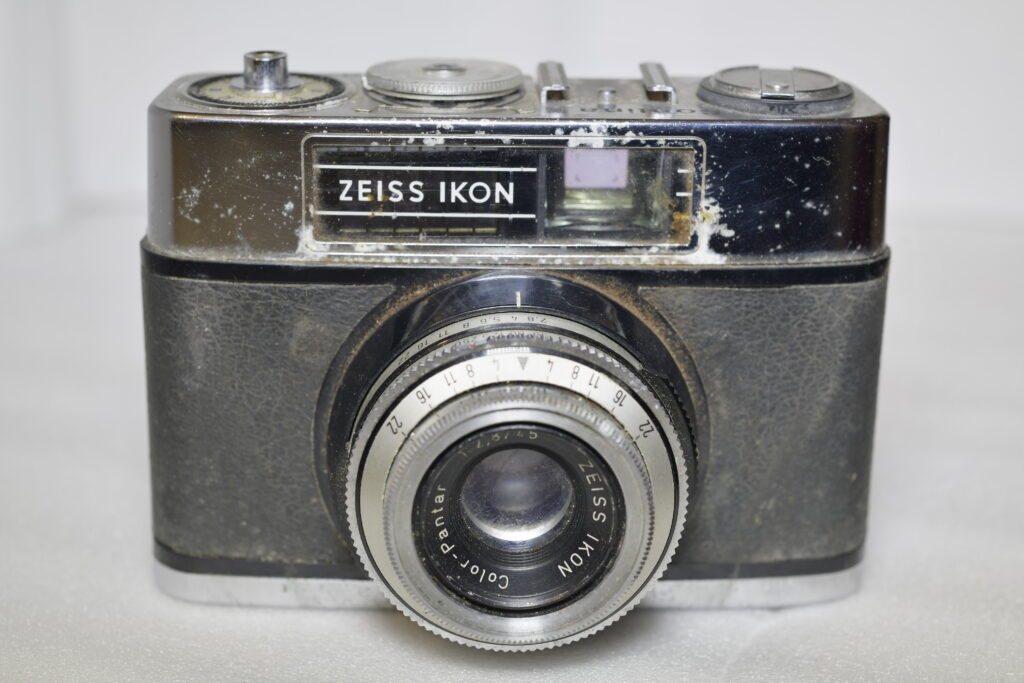
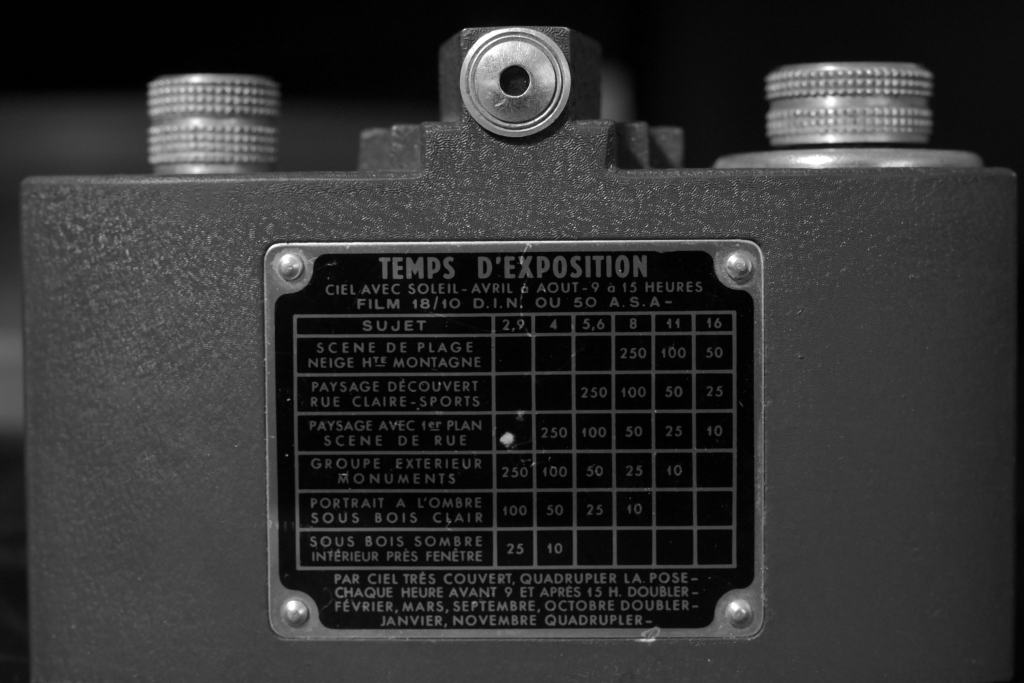
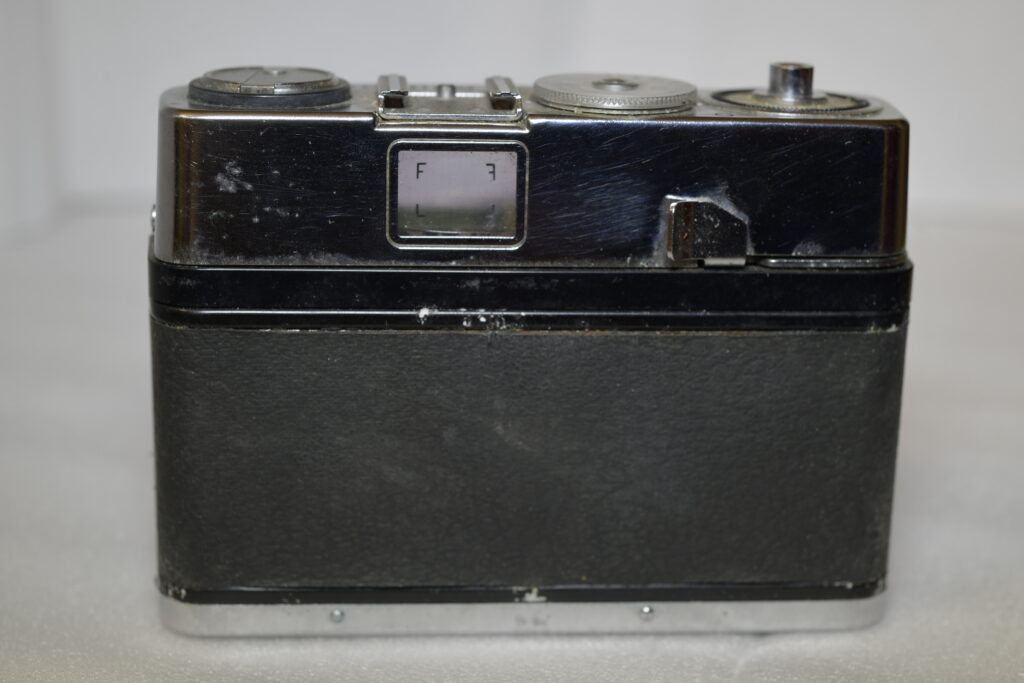
These two compact 35mm cameras were aimed at a similar audience.
The SEM Baby was a compact 35mm camera produced in the 1950s.
It was SEM’s attempt to offer a 35mm camera to the general public, following the company’s success with its twin-lens medium-format cameras aimed at both amateurs and professionals.
This camera is a caricature of a certain French philosophy: “If it takes a picture, then that’s good enough.” Only the bare minimum has been done here.
The viewfinder of the Sem baby is microscopic. The one of the Zeiss Ikon is a million times better.
With the French camera, you have to turn a wheel to advance the film and cock the shutter on the lens. The German camera has a single-action lever that advances the film and cocks the shutter.
The shutter release on the SEM is located on the lens, while the Zeiss has its shutter release on top of the body, making it much more pleasant to use.
The Zeiss has a light meter, while the SEM has none.
The rounder shape, larger size, and choice of materials make the Zeiss much more pleasant to handle.
I haven’t run any tests here, but I’m quite certain that the mechanical precision of the Contina is better.
Of course, SEM would improve this early 1950s model in later versions, but they would never come close to matching this German camera.
The End of the Road for a Lot of Manufacturers
This inability to keep up with German and, later, Japanese competitors led to the disappearance of most Mid-Sized French camera manufacturers. They simply didn’t have the resources to close the gap in technology and build quality.
They all kept producing the same models until they died. Companies like SEM survived for a few more years*, but in the end, failing to invest in innovation and more efficient production methods proved fatal.
*SEM ceased to produce cameras in 1974
Foca
So, medium-sized camera manufacturers producing affordable cameras for amateurs disappeared. But what happened to Foca, the only “big” camera manufacturer in France?
The Foca Rangefinder
Foca was respected for their 35mm rangefinder cameras aimed at professional photographers. Willy Ronis notably used several of these cameras.
Unfortunately for Foca, in the early 1960s, people were massively abandoning rangefinders in favor of SLRs.
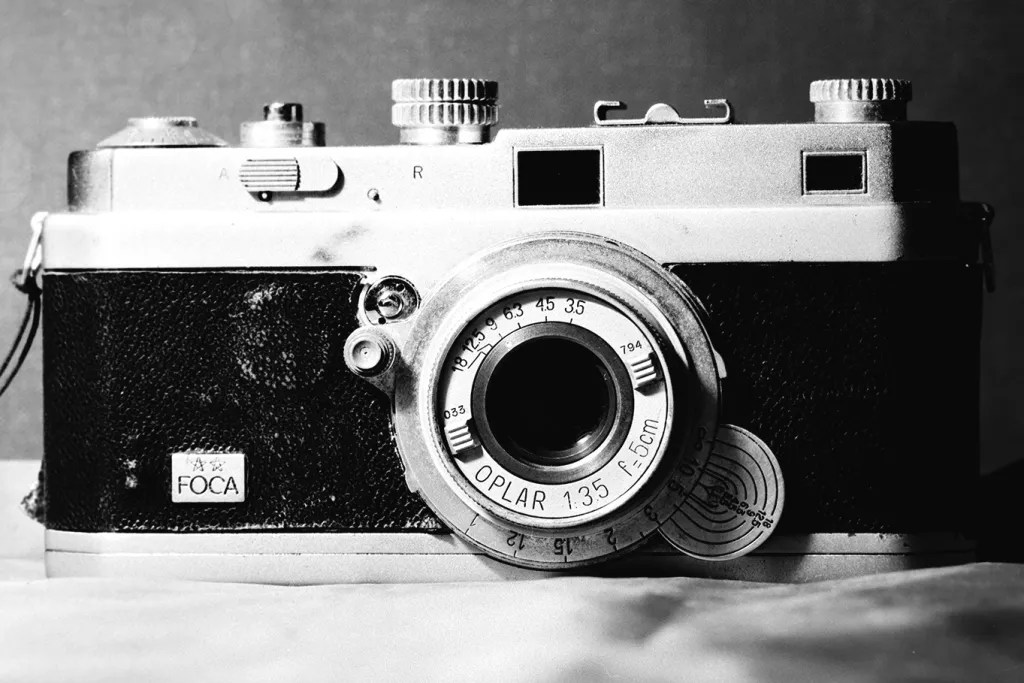
Thus, if Foca wanted to stay in the game, they had to develop an SLR. Unlike other French manufacturers, Foca had the resources to design an SLR camera. And so they did, in 1959, with the Focaflex.
Note: french manufacturer Royer also managed to create an SLR, the “Savoyflex” that failed for the same reason of the Focaflex.
The Focaflex
The Focaflex was not a professional camera, but was aimed at amateur photographers. It had a rather baroque design.
The Focaflex has a retractable semi-transparent mirror that flips down when shooting. This mirror reflects the image onto a ground glass at the bottom of the camera. Having the ground glass at the bottom of the camera allows positioning the prism (because there is indeed a prism) lower down in the camera and giving it this flat top.
The Focaflex also used a central shutter design, which was soon overtaken by the focal-plane shutter design.
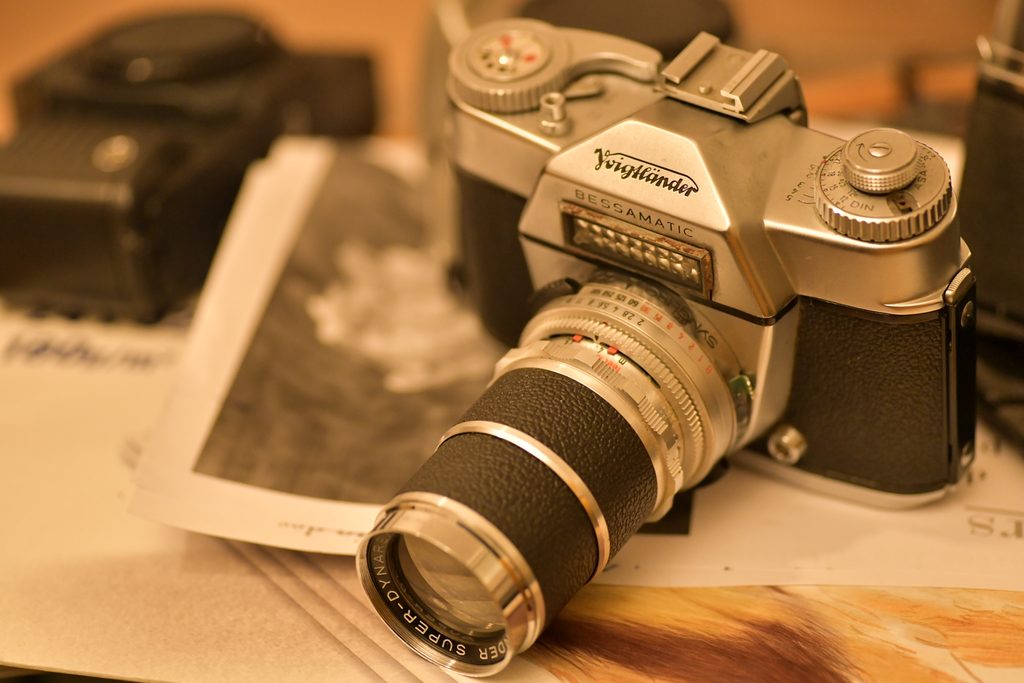
The Focaflex quickly acquired a reputation for being fragile and was pushed aside by German competitors such as Kodak Retina, Voigtlander Bessamatic, or Zeiss Ikon Contaflex. And when Pentax arrived with a new concept of SLR camera, things got even worse.
Needless to say, the Focaflex was a commercial failure that did little to encourage Foca to continue producing cameras.
The Focasport
Foca also produced compact cameras for the general public that (really) competed with German cameras for a time. But in the face of competition, they ended up doing the same thing as the others: lowering the quality of their product to sell at a lower price, which didn’t work.
The curtain closes
Foca quickly understood that the camera market had become extremely competitive and difficult. So they pulled the plug on their camera business in the middle of the 1960s.
Lack of Investment Ended the French Camera Industry
The French knew how to be innovative.
Angénieux designed the first mass-produced retrofocus lens, making wide-angle lenses possible on SLR cameras.
The first purpose-built underwater camera, the Calypso, was French before being acquired by Nikon in 19631. The plate system lenses used by Mamiya for its professional twin-lens camera was first imagined by a French brand.
So France clearly had the imagination and intellectual resources to be innovative.
But even when those great ideas weren’t abandoned for lack of investment, they failed to reach a large scale for that exact same reason.
Have you ever heard of Foca, Kinax, Royer, or SEM? Probably not. Due to this lack of resources, none of these brands had the punching power to expand outside France. Even Foca, which was technologically on par with its foreign competitors, was a small company during the 1950s compared to Zeiss, for example.
So, when the more capable and better-built German cameras arrived on the domestic market, French manufacturers struggled a lot.
And when the Japanese came with their cameras produced using more efficient methods, the French camera industry definitely collapsed.
- Nikon took over production and sold it from 1963 as the Nikonos, which subsequently became a well-known series of underwater cameras.[1] – https://en.wikipedia.org/wiki/Calypso_(camera)#cite_note-1 ↩︎




Leave a Reply